COMMON

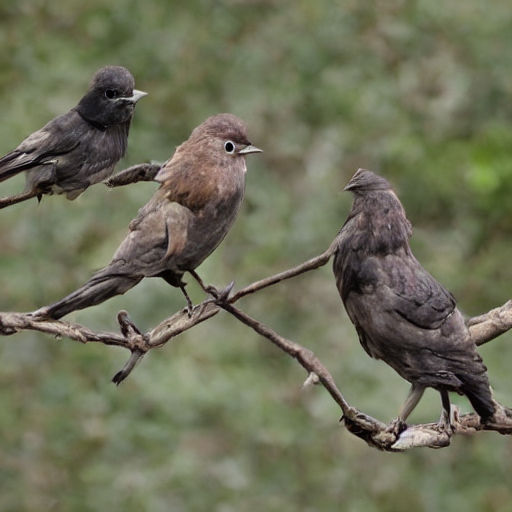
#283 Dukrok

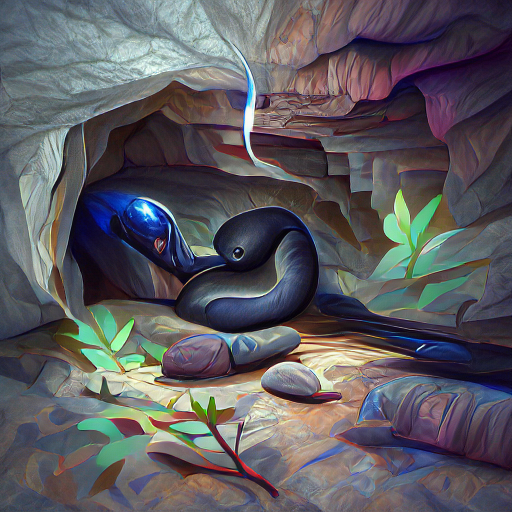
Dukroks are desert-dwelling birds that come in brown, black, and grey variants. They have long, thin legs and use their beaks like pickaxes to mine for insects in the sand. The dukrok will sometimes bury itself in the sand and wait for prey to come near before leaping up and spearing it with its beak. In some rare circumstances, dukroks will migrate to slightly cooler areas of plains or forests; seeing a dukrok outside of a desert is a good omen.

Tags
Release Date October 06, 2022
Sign up for a free account to claim this creature as your own.

Discover other creatures

Explore an endless universe of ficticious life on NovelGens.
COMMON

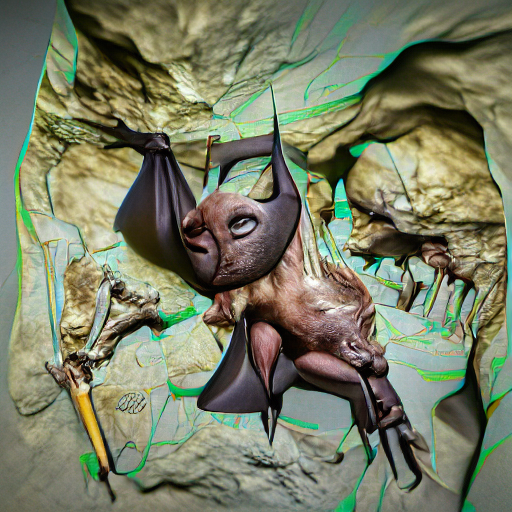
#034 Mrohl

Mrohls live in enchanted forests where they eat magic berries and hallucinogenic plants. As such, their reactions to adventurers are as predictably intense as their actions are unpredictable. Their droppings are typically made into a hallucinogeni...

UNCOMMON

#027 Mipurd Ballow

Mipurd Ballows are a small, primitive species of salamander that are found in the deepest cavities of melting ice sheets. They are extremely hardy and can survive in almost any environment, but they are slow-moving and are often considered weak by...

RARE

#160 Mechacrab

Mechacrabs were ironically given their name after a sarcastic explorer discovered the species in an underground cave on a spiritual voyage deep in the far east. Mechacrabs have detachable legs and hard, modular shells that they can reconfigure and...

UNCOMMON

#192 Crindelino

Crindelino (meaning "giant armored ones" in an ancient script) are New World placental cold-blooded mammals. Crindelinos live isolated lives in the hottest deserts for long lifespans currently estimated to be over two thousand years long. Crind...

UNCOMMON

#346 An fwo dur

An fwo dur share the majority of their DNA with an extinct armadillo-like creature that used to terrorize the mountainside. Unlike their ancestors, however, an fwo dur stand upright on two legs and reach heights of over nine feet tall. These intel...

UNIQUE

#374 Panileaf

A rare incubating leaf. When hatched, it's roots suck up all the nutrients in the soil and destroys the plants around it. These plants hatch a hundred years after they are taken out of their mother plant. The size of the leaves depends on how fa...