UNCOMMON

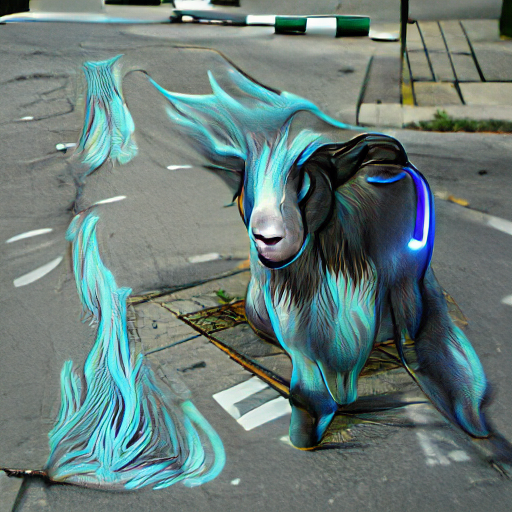
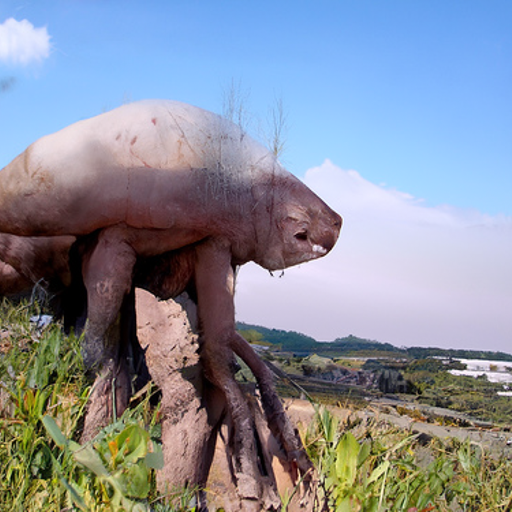
#042 Heggeh

After spending a millennium with the other few, remaining heggehs trapped in a cavern, new generations of heggeh have completely lost their sight and evolved a slower metabolism that allows them to survive off of almost no food, despite their large size. Now that they're free from the cave, they love nothing more than feeling the warmth of the sun on their back. They are content to graze from fields and eat grass or bugs, always smiling.

Release Date February 07, 2022
Sign up for a free account to claim this creature as your own.

Discover other creatures

Explore an endless universe of ficticious life on NovelGens.
COMMON

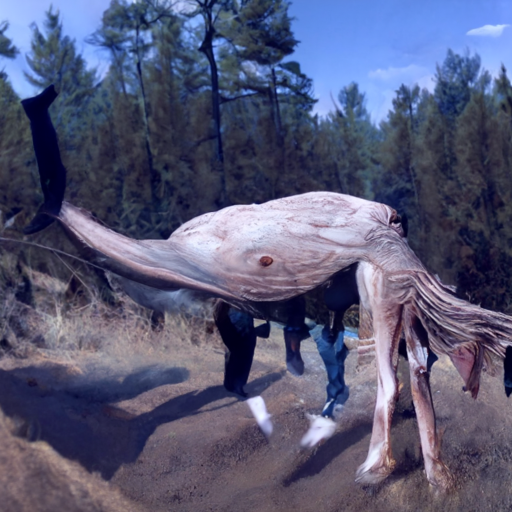
#095 Scotty

Believe it or not, scotties are actually descendants of dinosaurs! Scientists discovered a fourth classification of dinosaur, subterranean, during the disastrous decades-long journey to drill toward the planet's core for more resources. The scotti...

COMMON

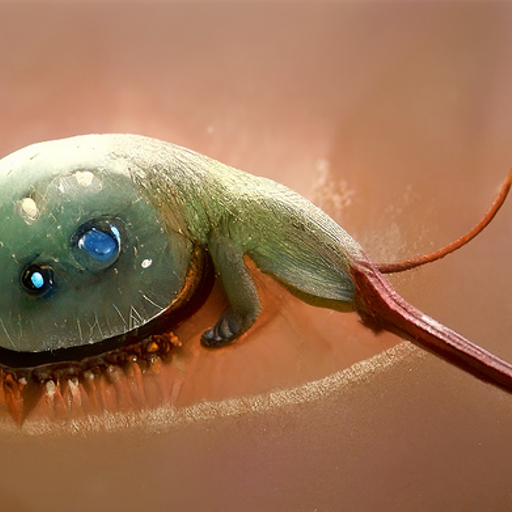
#185 Vuewex

Vuewex are a parasitic skin mite that measure a little under 1 nanometer in width and height. These small critters passively absorb kinetic energy from their host through a reversed osmosis process that looks similar to feeding. A vuewex infection...

RARE

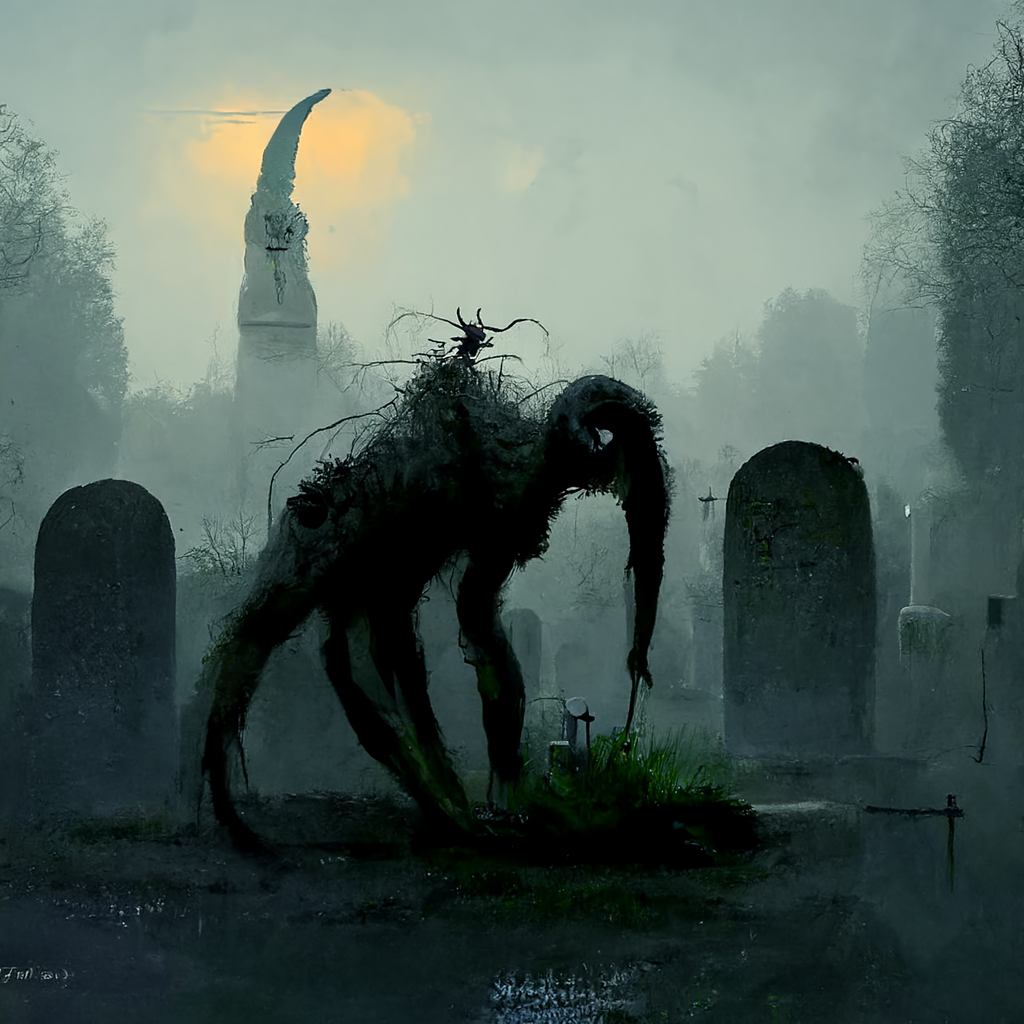
#209 Beleymer

Beleymers are enormous, leopard-like creatures that live in the swamps and marshes in the north. When they are not hunting and eating, they enjoy wallowing in mud and sleeping in the sun. Beleymers live in families and often work together to catch...

COMMON

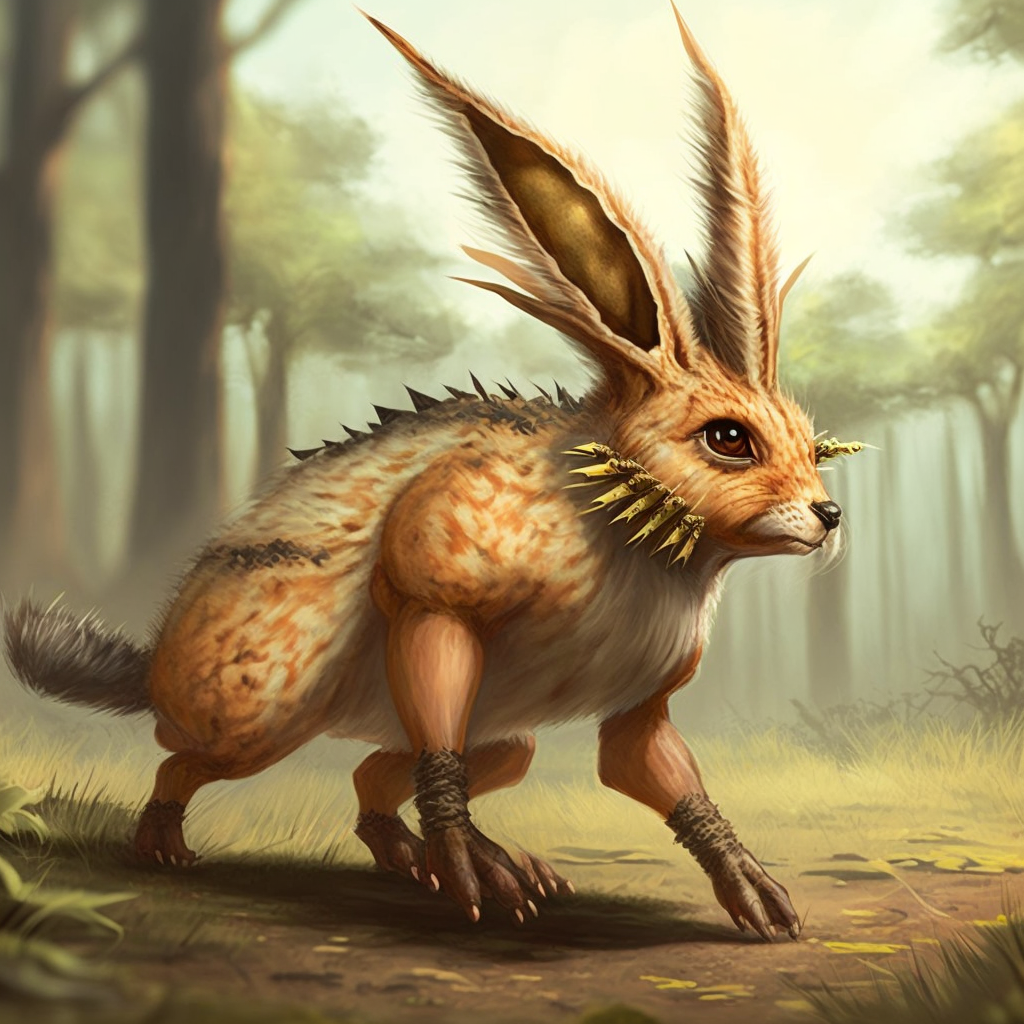
#203 Hakaji

Hakaji are small, dimorphic reptilian creatures with a bug-like head and legs. Hakaji bodies are extremely light, allowing them to briefly float even in still air. They spend most of their time up in the sky soaring on the thermals, and can occasi...

UNCOMMON

#324 Wogflorp

The wogflorp is a large, somewhat docile creature that is often mistaken for a drifflefert. It likes to wander around the edge of shallow water, moving at the same pace as the current. It is often found sunning itself on the shore, but if disturbe...

RARE

#372 Alalalalamba

The fearsome alalalalamba has a louder bark than bite, although it can do neither as a toothless mollusk at the bottom of the ocean. Alalalalambas use their immense size to intimidate would-be predators and scare prey into a paralytic submission. ...