RARE

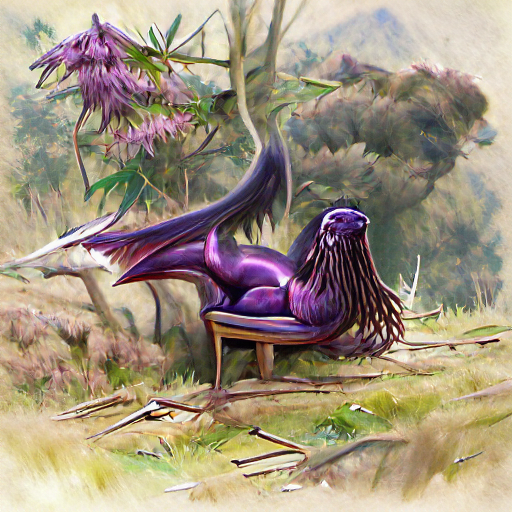
#112 Krearieae

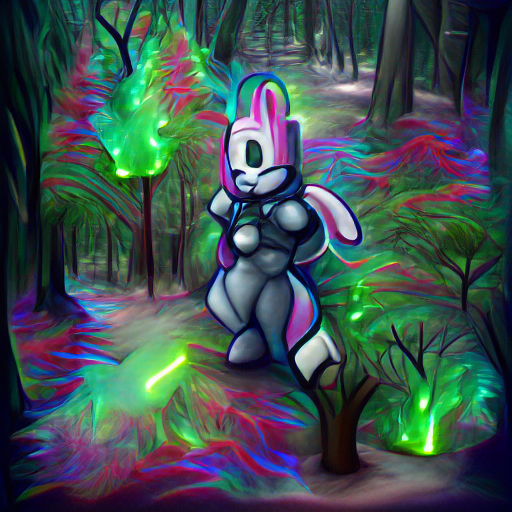
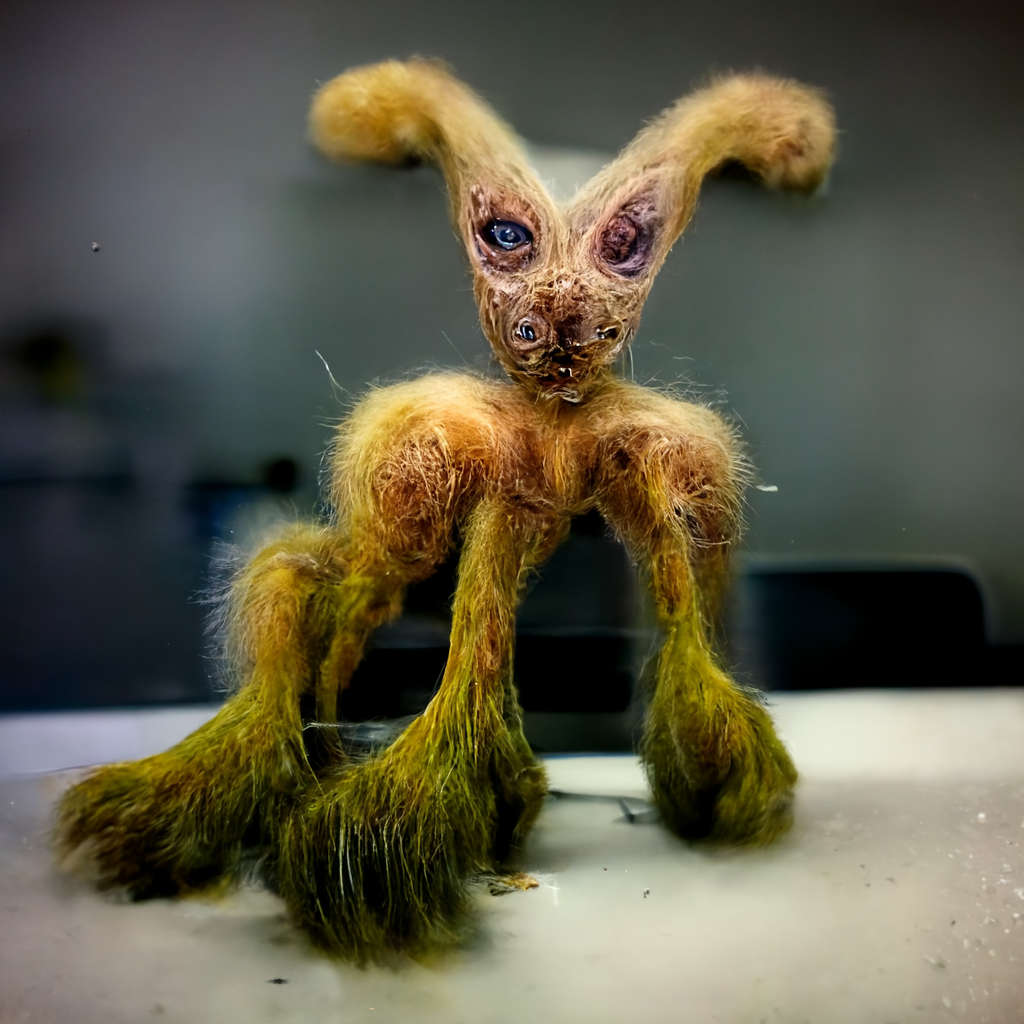
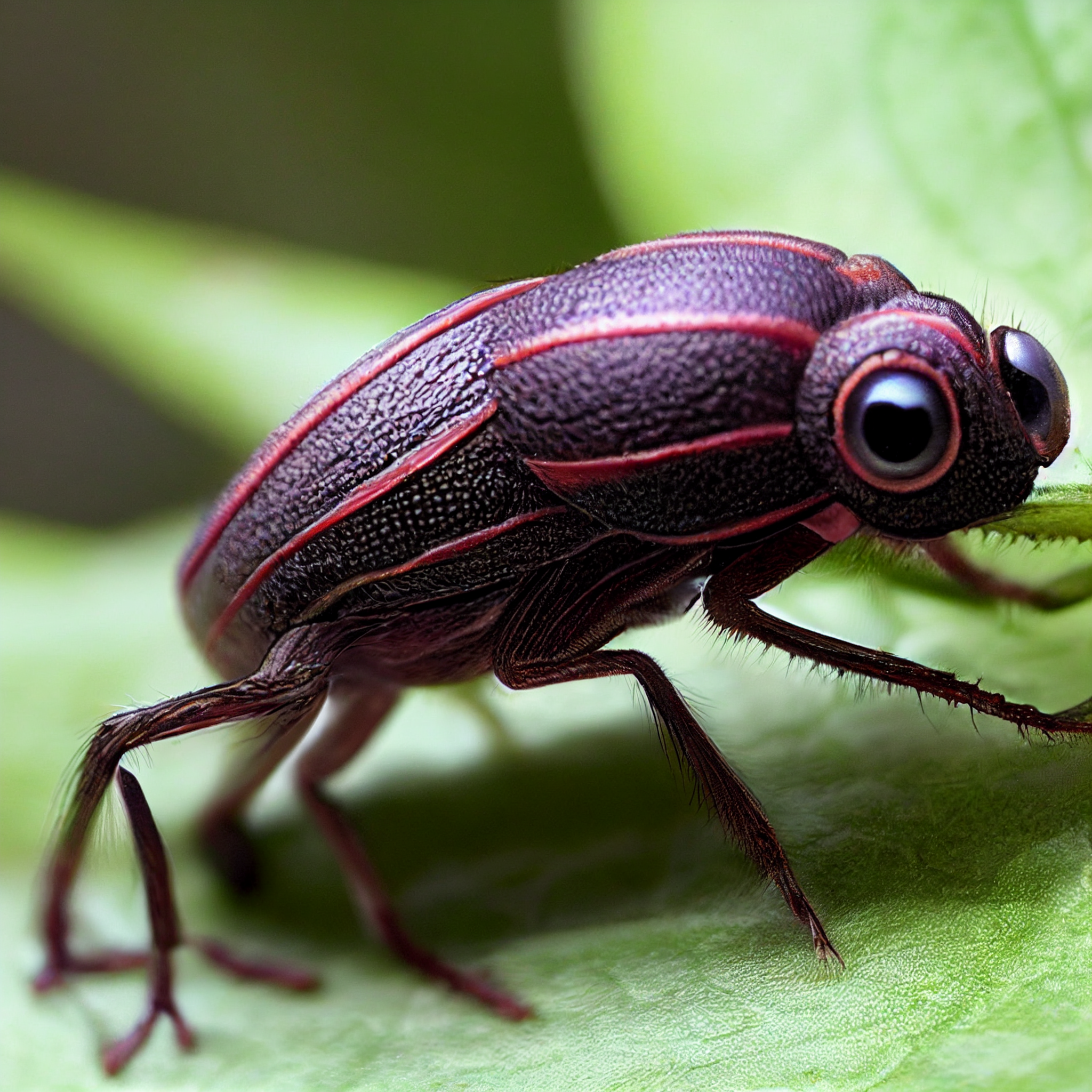
Krearieae are large, birds covered in dense, wooly plumage. They are a sacred animal in the Unser culture. Members of the Fromug tribe breed and raise them as livestock, using their dung as a fertilizer and using krearieae feathers as a source of heat. They are also very powerful fliers and can carry objects almost ten times their own weight. When they are fully grown, they can be as large as an elephant.

Tags
Release Date April 18, 2022
Sign up for a free account to claim this creature as your own.

Discover other creatures

Explore an endless universe of ficticious life on NovelGens.
COMMON

#008 Zoupir

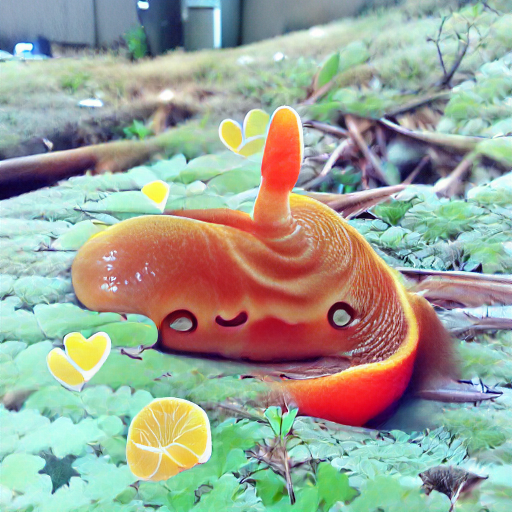
Zoupir are small, insect-like pigs that travel underground, in packs. They feed primarily off dirt and roots, sucking nutrients from crops and vegetation in the area. They are an invisible pest, but farmers with a little know-how know how to spot ...

UNCOMMON

#098 Amber

Ambers are the bane of a sailor's life and have driven many towns inland, away from the waters. After emerging from most sandy shorelines at night, they sit quietly upon rocks, physically reflecting picturesque faces from your most haunting memories.

RARE

#030 Urryn-ast

Urryn-ast are always on the hunt for humans on the verge of death and will track their prey for days at a time. They consume deceased bodies whole and, in doing so, memorize a sequence of the consumed DNA as a part of their complex digestive proce...

COMMON

#053 Electrofly

Electroflies are gaseous clusters of friendly, intelligent sublife that often physically get caught in airwave currents or magnetic fields, scattering the cluster in a perpetual cycle of trying to reform the cluster's desired shape and structure, ...

COMMON

#230 Pinlup

The humble pinlup is a delightful breed of small animal common in wild areas near human settlements. It's a popular activity for parents to bring their kids out to play with pinlups, providing them with bread and berries to eat; in return, pinlups...

UNCOMMON

#284 Senjfisk

Senjfisk use thousands of microscopic limbs to move sand around them, enabling them to effectively swim through sand and loose dirt. These nocturnal carnivores also undergo a biological stasis while sleeping, which completely stops all but their m...