UNIQUE

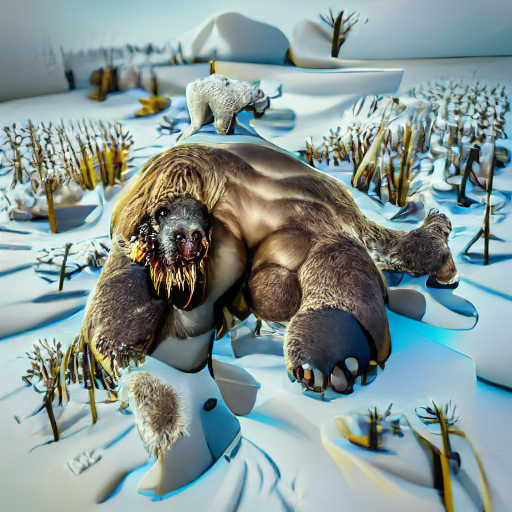
#308 Nishiki

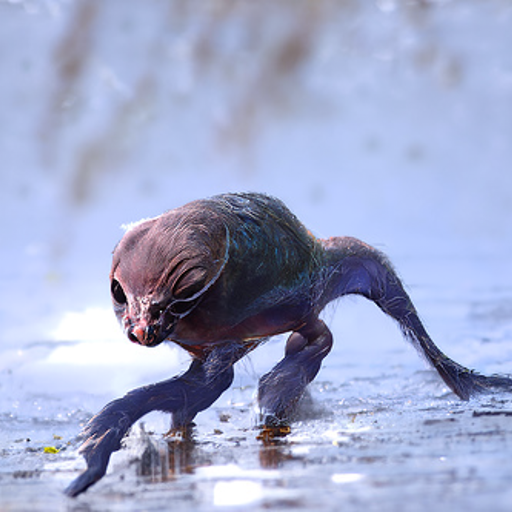
The nishiki is a large, intelligent and naturally magical creature that stands far above most other plainswalkers. They are usually found in large herds in the northern and southern tundras of the planet, where their thick hide keeps them impervious to freezing temperatures. Although nishikis have immense magical powers, they are not able to cast spells like their smaller cousin, the nashaka. Instead, their magical powers manifest physically in the form of a gigantic horn that grows out of their forehead. Depending on the individual nishiki and their mood, touching the horn can heal wounds and cure disease, or create fire and lightning.

Release Date October 31, 2022
Sign up for a free account to claim this creature as your own.

Discover other creatures

Explore an endless universe of ficticious life on NovelGens.
RARE

#107 Vlaughd

Vlaughd are demonic-looking, bat-winged desert creatures. They have extremely long prehensile tongues and their saliva is acidic enough to corrode metal. They have razor-sharp teeth and large, blood-red eyes. They are highly carnivorous and will a...

COMMON

#111 Quernug

The quernug is a strange creature that resembles a sheep. They stand about 2ft tall and are covered in purple, matted wool, have a frog-like mouth, and have two horns on the sides of their head. Quernugs make a strange barking sound and will hop a...

COMMON

#047 Aledharo

Aledharen are slimy, blind creatures that wander deserts in search of warm rocks to lie on, where they'll typically sunbathe for weeks at a time. When an aledharo is hungry, it'll bury its head in the dunes and extend root-like tentacles that extr...

COMMON

#073 Pinbin Snake

Pinbin snakes are totally harmless, almost-friendly creatures. They eat grass, lick rocks for fun, and rarely grow more than a foot long. Their eyes are a delicacy among the rich.

UNCOMMON

#276 Vuvegge

Vuvegges are small insects common to forests and jungles that don't develop a sense of sight until a late stage of life. During their early "formative" years, vuvegges use their large eyeballs as sacs to store additional food or resources. Vuve...

RARE

#191 Sabbi san

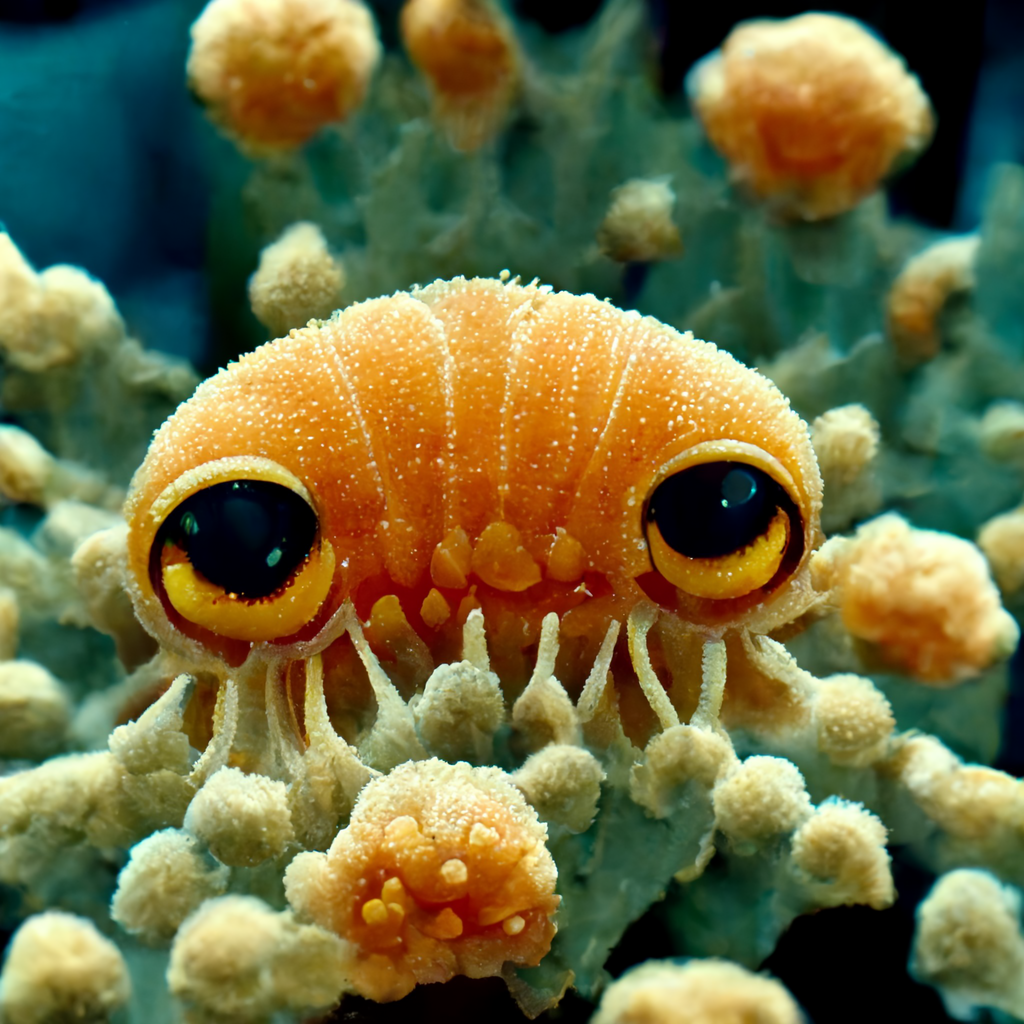
Sabbi san are a phylum of four-legged microscopic tardigrades first described by Austrian zoologist Robby Saab in 2195, who discovered them in a tainted cave water sample. Sabbi sans move quickly in water or on land with a gait that closely resemb...