RARE

#355 Vilagoth

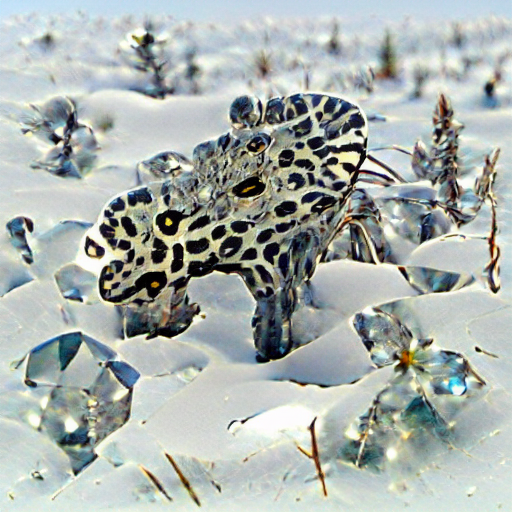
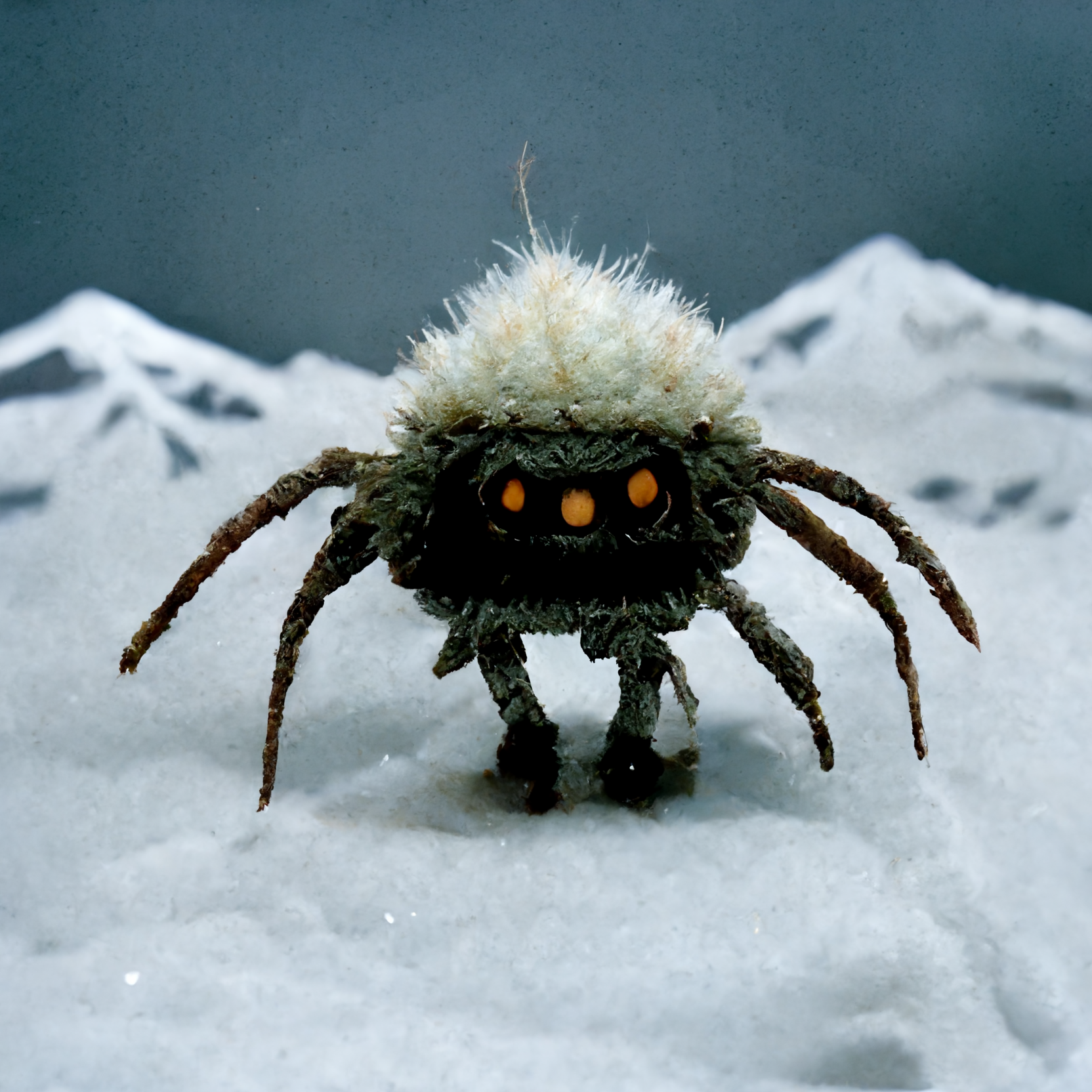
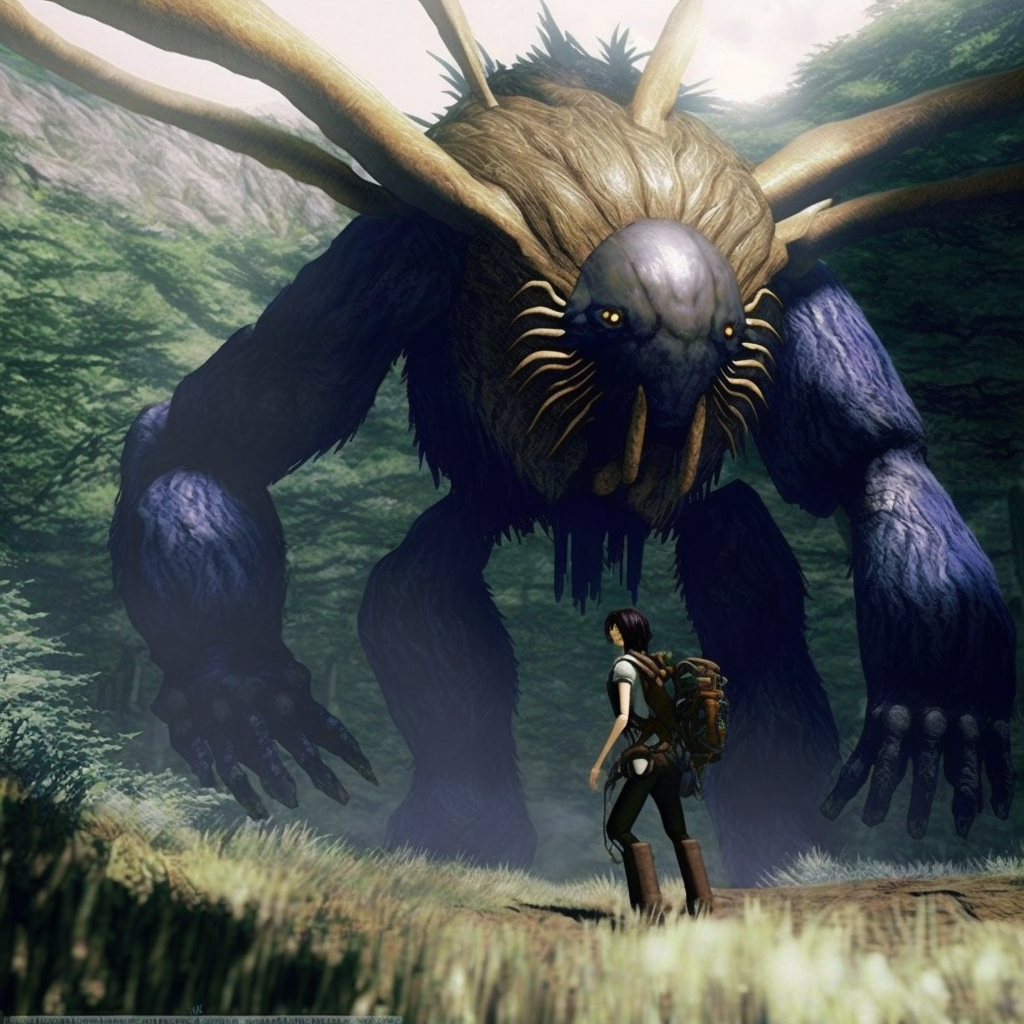
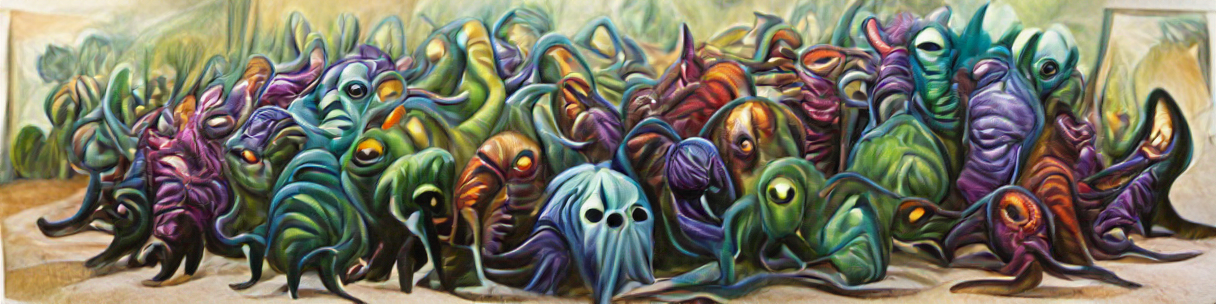
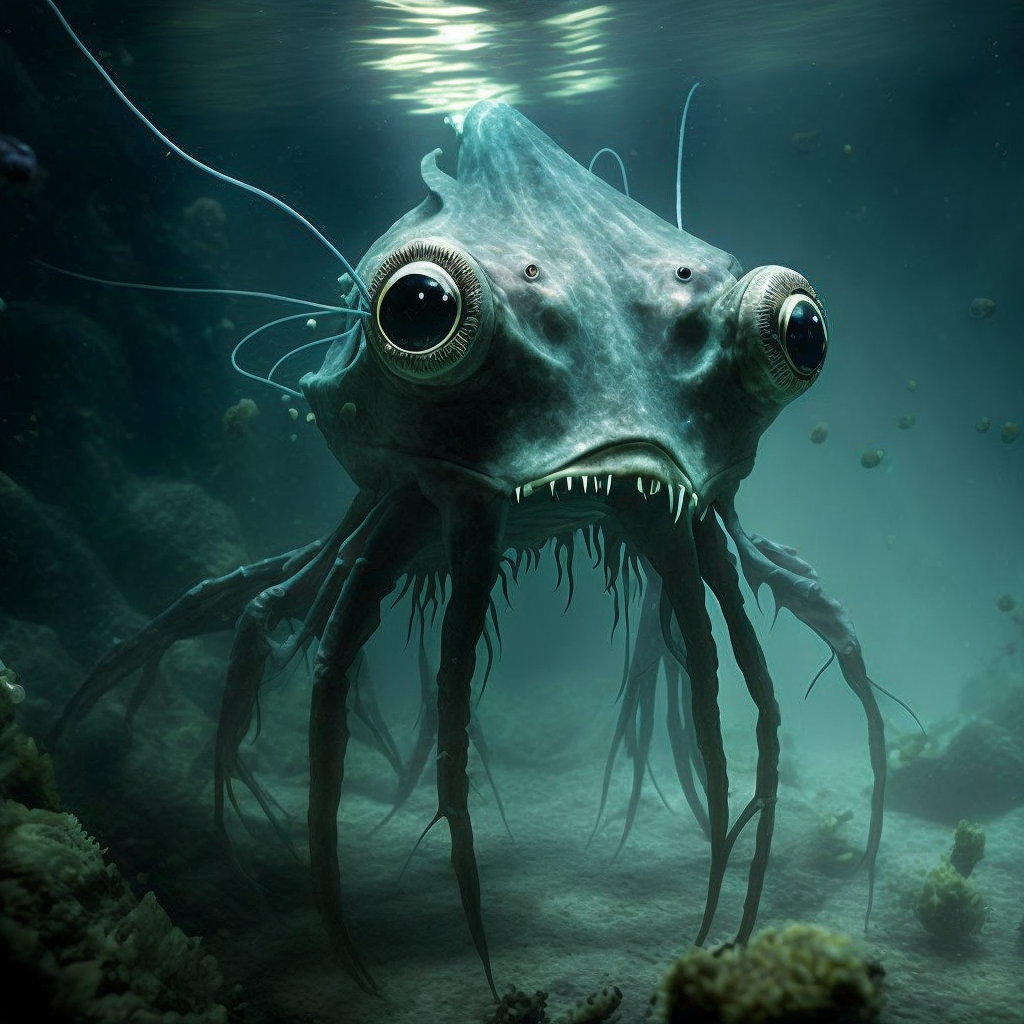
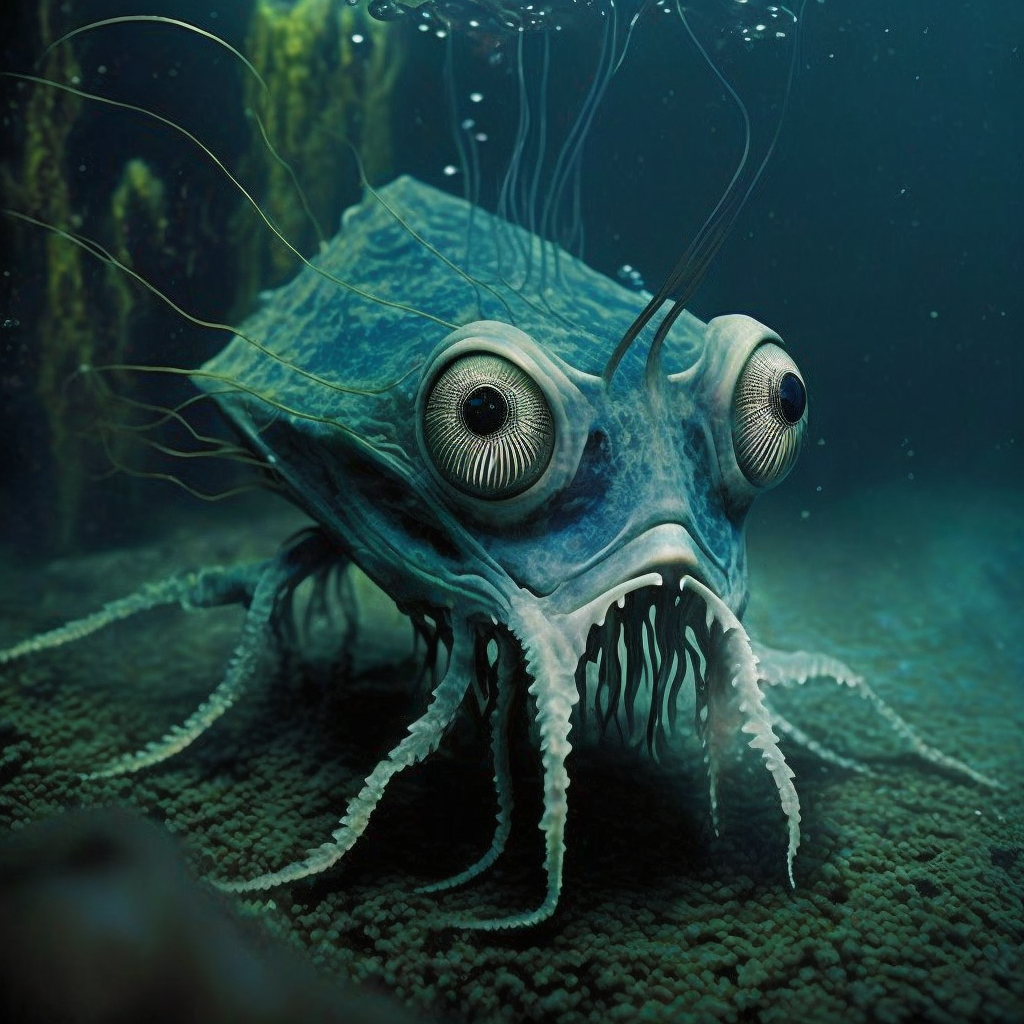
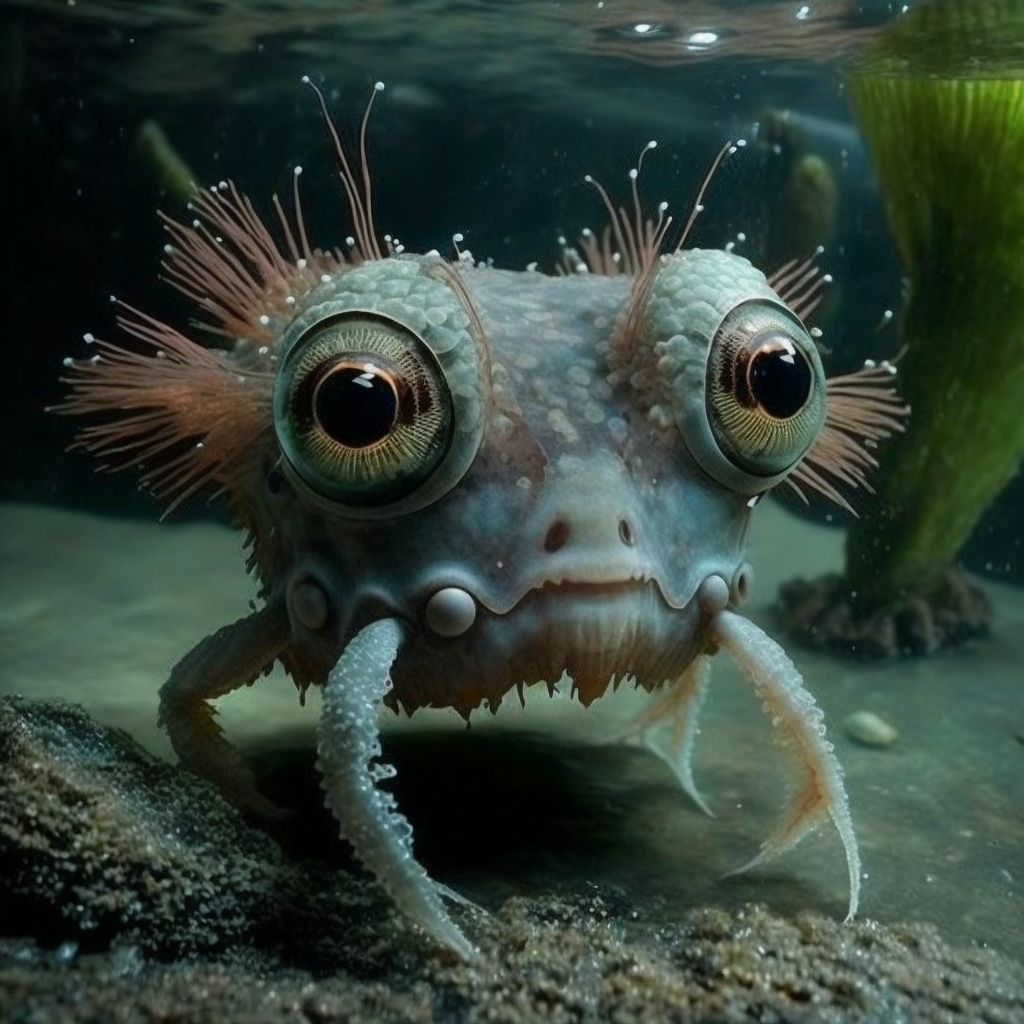
Vilagoths are an intelligent species of semi-aquatic jellies. They have large eyes and at least four tentacled arms with webbed microfingers, and they can breathe underwater for up to ten days at a time before needing to resurface. The males have small tusks that grow from their lower jaws, but the females don't have any. They are very friendly and docile creatures that like to spend their time floating around in the water and playing simple games with each other. They aren't very strong, but they are fast and can swim at speeds of up to 75 km/h. They are also quite intelligent and have been known to teach themselves how to read and write using sunken ships.
Found in
Release Date December 17, 2022
Sign up for a free account to claim this creature as your own.

by NovelGens

by Andrew
♥ 1

Discover other creatures

Explore an endless universe of ficticious life on NovelGens.
COMMON

#188 Crysion

Crysions exhibit an interesting physical phenomenon not entirely understood yet by scientists: the refraction of their scales reflects light such that crysions are only visible in water and invisible out of water. After death, the crysion's scales...

COMMON

#235 Worgant

Worgants are a species of small were-ants that live in packs in the northern forests. They have a symbiotic relationship with the betzkra woodpeckers, who make holes in the bark of trees to get at grubs and other insects, which worgants then turn ...

RARE

#207 Skeighnog

Skeighnogs are vicious and bloodthirsty creatures from the vast forests of the world. They are small, roughly the size of a small dog but with a long, scaly tail and a bulbous, pouchy stomach. They are predators and will eat anything they can catc...

COMMON

#203 Hakaji

Hakaji are small, dimorphic reptilian creatures with a bug-like head and legs. Hakaji bodies are extremely light, allowing them to briefly float even in still air. They spend most of their time up in the sky soaring on the thermals, and can occasi...

RARE

#322 Ungarmel

When a creature is near, an ungarmel on the prowl will curl up in a ball and hover above the ground, doing its best to blend in with the environment in order to catch its prey unaware. When the time is right, the ungarmel will attack by releasing ...

COMMON

#349 Flayansk

The flayansk originates in the far north, in the freezing highlands of Cotsk. Flayansk vary wildly in size throughout their life, growing quickly from the size of rodents to the size of large boulders, then eventually shrinking back to microscopic...