Currently...
Biome Modifiers
Tornado-prone
Tornados are common in this biome.
Underground river
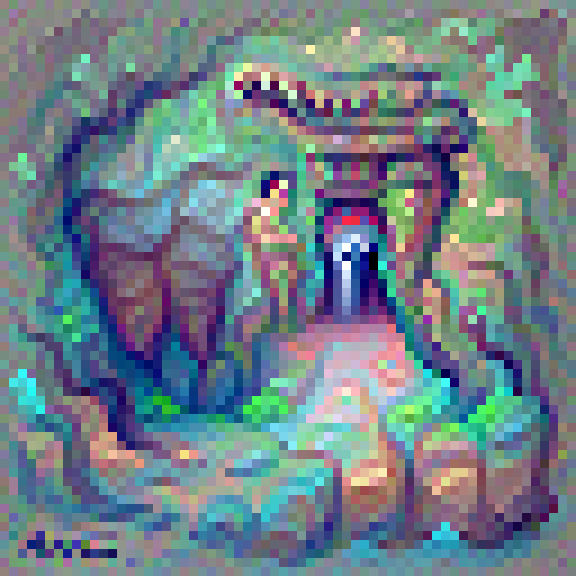
A huge underground river runs directly beneath this biome.
Mysterious ticking
A mysterious ticking sound can be heard in this biome, but it's unclear where it's coming from.
Creatures found in the Asteykn Cave
RARE
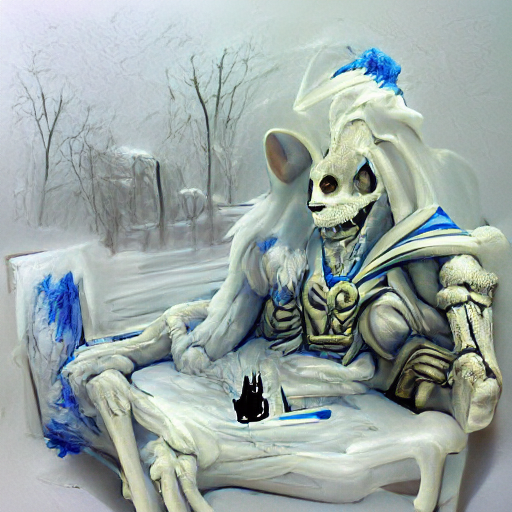
#078 Etorg
Etorgs are the living skeletal remains of eternal giants. Although most have grown bored of life and live solitary lives atop mountains or in colossal underground caves, younger etorgs will sometimes adopt a city, curl up around it, and patiently watch generations of lives unf...
#078 Etorg
COMMON
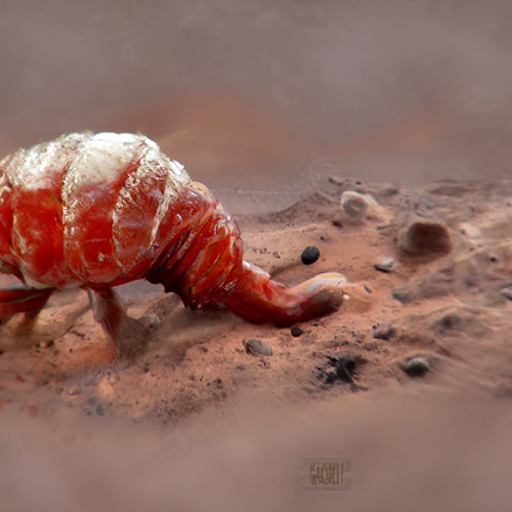
#060 Brugnul
Brugnuls are microscopic parasites that can be found in most environments. They are commonly found in the bodies of other creatures, but can also be found on the ground, in water, and in the air. They are extremely hard to detect, and can be difficult to remove if they are loc...
#060 Brugnul
RARE
#132 Aeldatyr
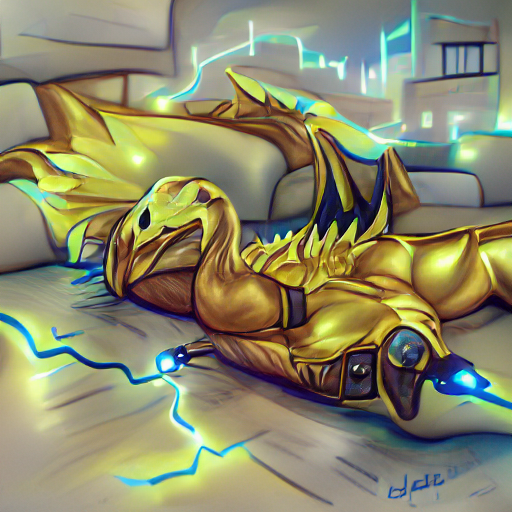
Aeldatyr scales are golden and shiny, and imbued with powerful magic that allows them to create lightning. They grow to be very large, roughly the size of an elephant, and their scales are capable of reflecting sunlight, which makes them appear almost as if they are on fire wh...
#132 Aeldatyr
COMMON
#279 Musrusqua
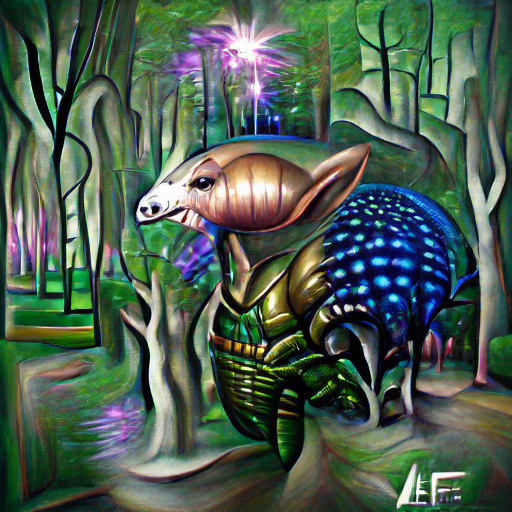
Musrusquas are small, intelligent mammals slightly resembling molerats who live in and under forests. Musrusqua skin is made of a durable chitin scaling that make them incredibly resilient to predators. These small creatures are best known by adventurers and travelers who freq...
#279 Musrusqua

COMMON
#122 Cerdathif
Cerdathifs are a colorful variant of cerdath that typically live near the base of tall mountains. They make nests with collections of hand-picked rocks and spend most of their time meditating on the nature of the universe. Their bodies are covered in a thick layer of orange fu...