COMMON

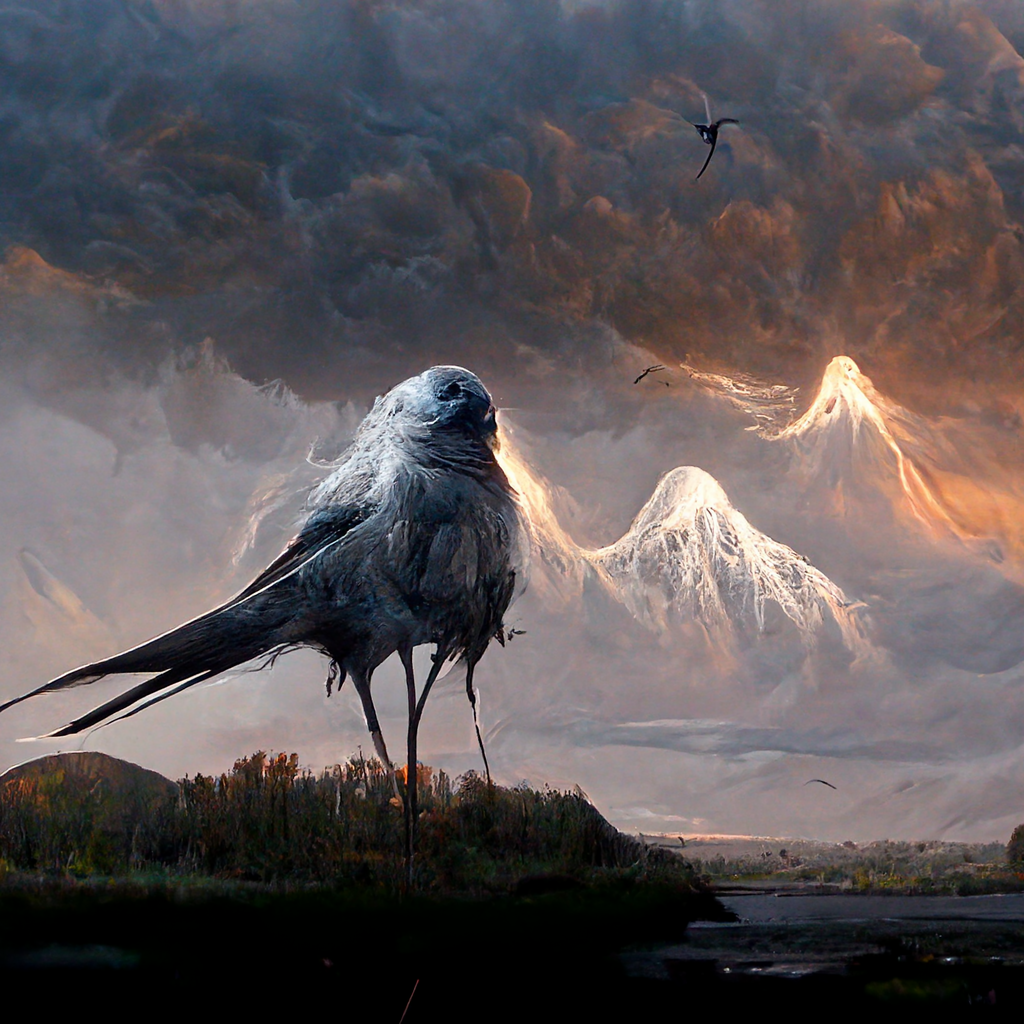
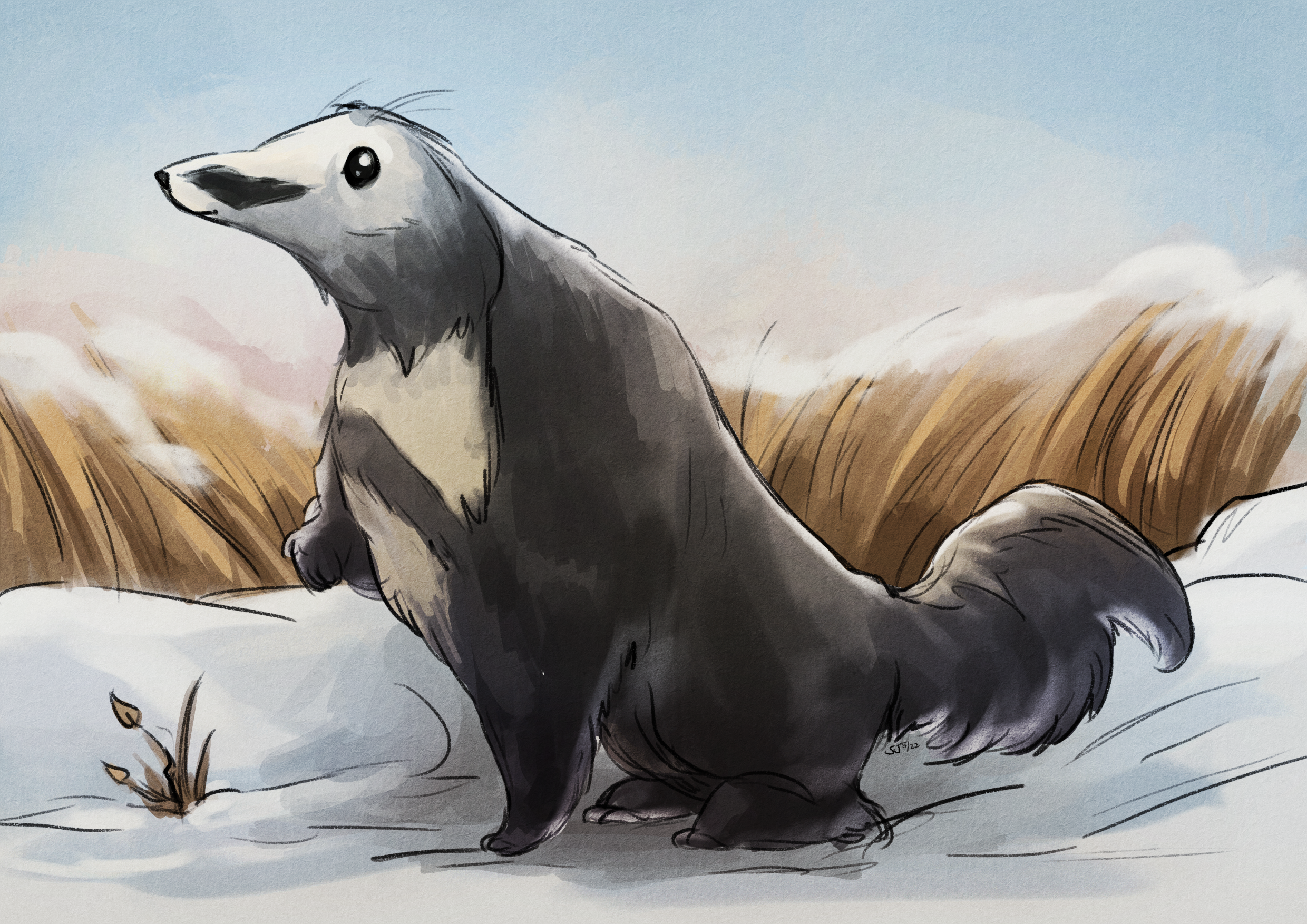
#136 Bruvnur

Bruvnurs are large, black-and-white mammals that have demonstrated a high level of intelligence and inter-species communication. They are reknowned for their ability to quickly learn and take orders. In the wild, they are usually found in large groups that congregate in frozen cave systems. Bruvnurs are often hunted for their thick pelts, which sell for a handsome sum to the Academy.
Release Date May 12, 2022
Sign up for a free account to claim this creature as your own.

by ninja
♥ 5

Discover other creatures

Explore an endless universe of ficticious life on NovelGens.
COMMON

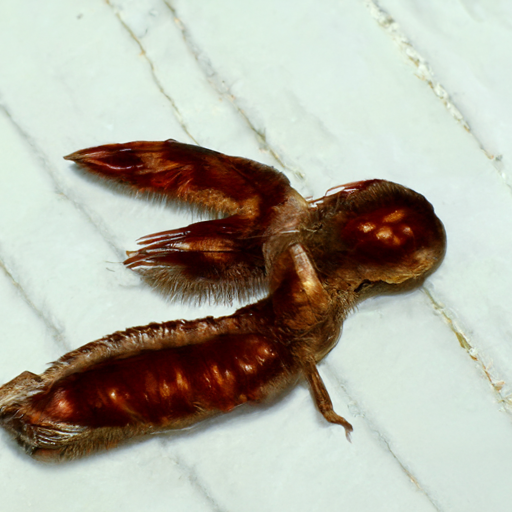
#090 Ekkast

The ekkast is a vicious creature that moves on eight legs but can slither through loose ground like a snake, and often feasts on large mammals. While young ekkasts are small enough to use natural rock structures for protection, the adult ekkasts b...

COMMON

#148 Dacagoth

Dacagoths are small, fluffy mushroom-like creatures that live in grottos and caves. They are about the size of a human thumb and are typically a light shade of gray. They spend most of their time sleeping and eating the rocks and fungus of the cav...

COMMON

#219 Flailx

Flailx are oddball "fish" that photosynthesize their oxygen from the sun, severely limiting the nautical areas they may call home. However, flailx are extremely adept at holding their breath for long periods of time (sometimes for days!) and will ...

UNCOMMON

#157 Spacebunnies

Spacebunnies are planet-sized pests of the universe that burrow into spacetime tunnels, leaving catastrophic black holes behind. Seeing a spacebunny in the sky is the worst omen someone can ever hope to see, both because their presence foreshadows...

RARE

#191 Sabbi san

Sabbi san are a phylum of four-legged microscopic tardigrades first described by Austrian zoologist Robby Saab in 2195, who discovered them in a tainted cave water sample. Sabbi sans move quickly in water or on land with a gait that closely resemb...

COMMON

#339 Karkat

Karkats are medium-sized creatures that spend most of their time on the ocean floor, though they will occasionally come to the surface for air. They have hollow bones and two long, nearly prehensile tails that help them to swim quickly. When they ...