COMMON

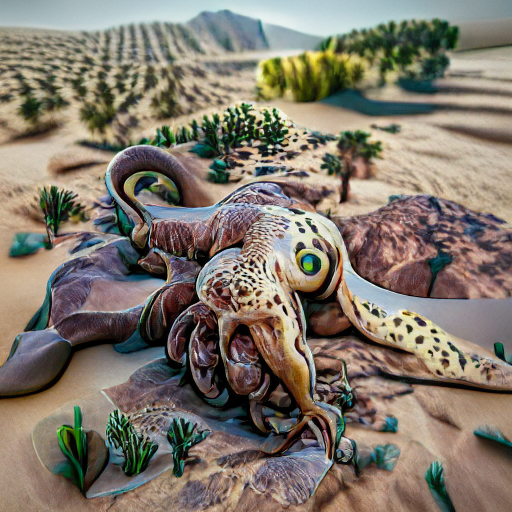
#065 Aetyl Squid

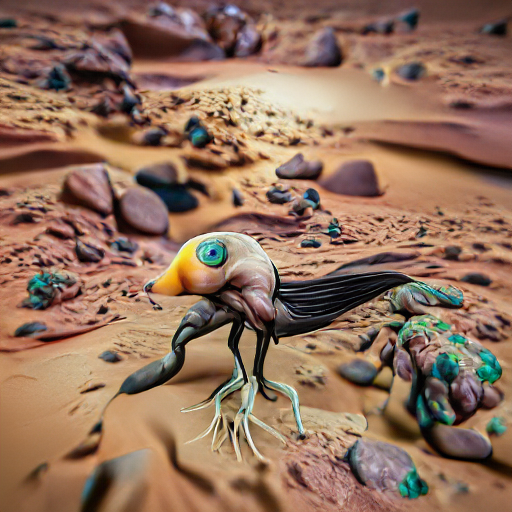
Aetyl squids swim through sand like their aquatic cousins do through water. They survive off a primarily-meat diet that are captured either by trap or a surprise emergence from the sand, dragging their prey back underground. The aetyl squid also mixes sand with pungent ink to preserve leftover food for a long time.

Found in
Tags
Release Date March 02, 2022
Sign up for a free account to claim this creature as your own.

Discover other creatures

Explore an endless universe of ficticious life on NovelGens.

RARE

#191 Sabbi san

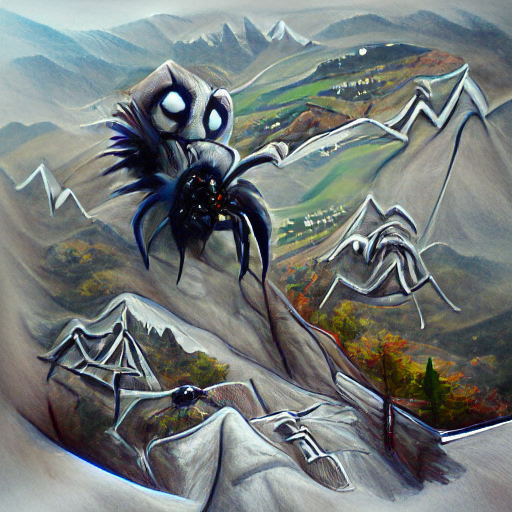
Sabbi san are a phylum of four-legged microscopic tardigrades first described by Austrian zoologist Robby Saab in 2195, who discovered them in a tainted cave water sample. Sabbi sans move quickly in water or on land with a gait that closely resemb...

RARE

#257 Volagena

Volagenas are a species of squid-like creatures that are also extremely large. They are carnivorous and exist as top-level predators in their environment. They use their powerful tentacles to gracefully move through the water, and can even use the...

COMMON

#260 Bulthoid

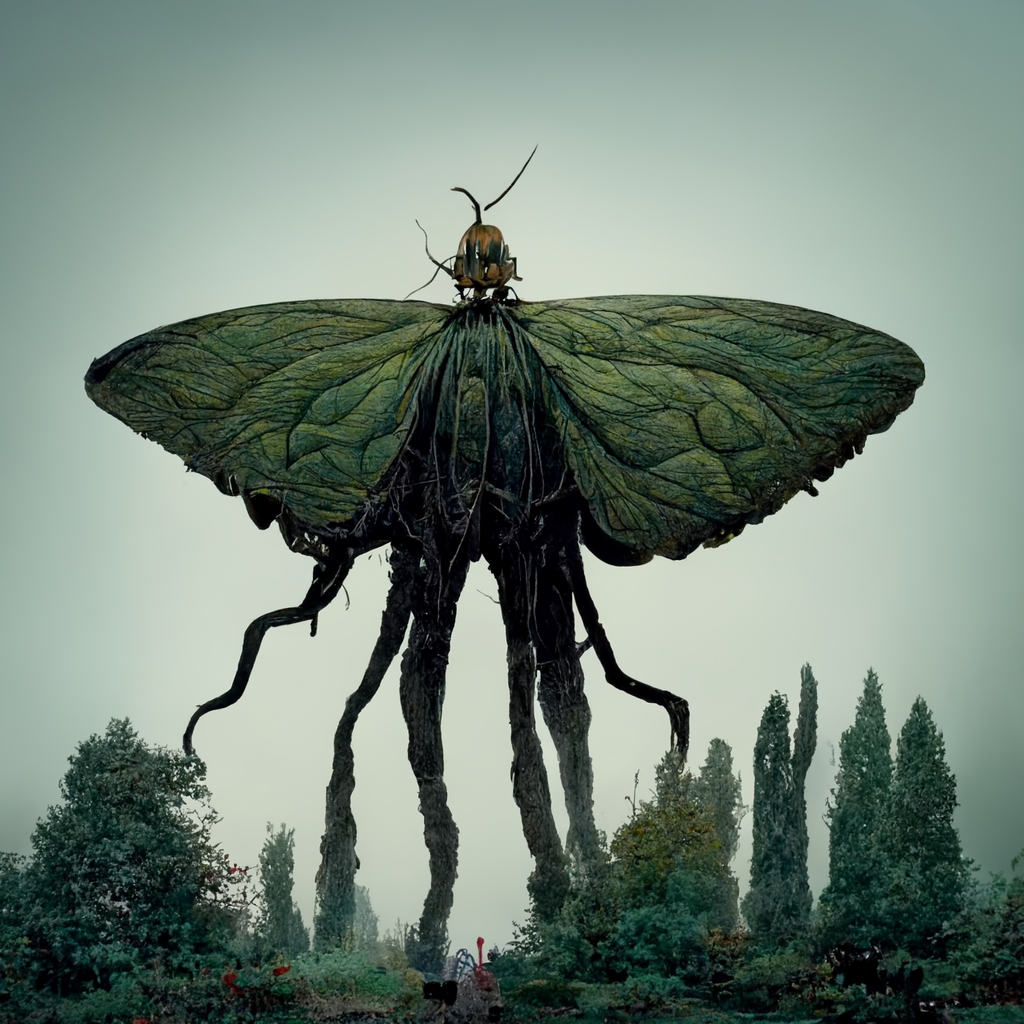
Bulthoids are rare creatures that live in almost every environment. Despite their strange appearance, bulthoids are actually a very intelligent race, capable of tool use and engineering. Bulthoid society is built on a system of meritocratic commun...

RARE

#329 Alsjepsel

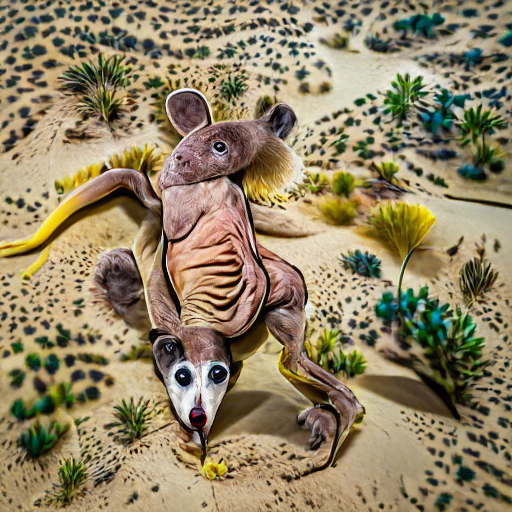
The alsjepsel is a large reptile-mammal hybrid that frequents acidic swamps in the southern hemisphere. The alsjepsel were first discovered by Nin adventurers that mistook them for a demon and started a century-long crusade to wipe them out, which...

RARE

#322 Ungarmel

When a creature is near, an ungarmel on the prowl will curl up in a ball and hover above the ground, doing its best to blend in with the environment in order to catch its prey unaware. When the time is right, the ungarmel will attack by releasing ...

COMMON

#339 Karkat

Karkats are medium-sized creatures that spend most of their time on the ocean floor, though they will occasionally come to the surface for air. They have hollow bones and two long, nearly prehensile tails that help them to swim quickly. When they ...