COMMON

#136 Bruvnur

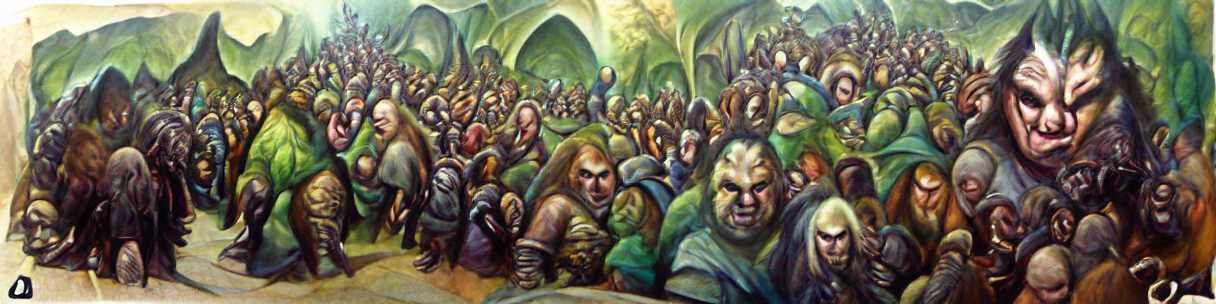
Bruvnurs are large, black-and-white mammals that have demonstrated a high level of intelligence and inter-species communication. They are reknowned for their ability to quickly learn and take orders. In the wild, they are usually found in large groups that congregate in frozen cave systems. Bruvnurs are often hunted for their thick pelts, which sell for a handsome sum to the Academy.
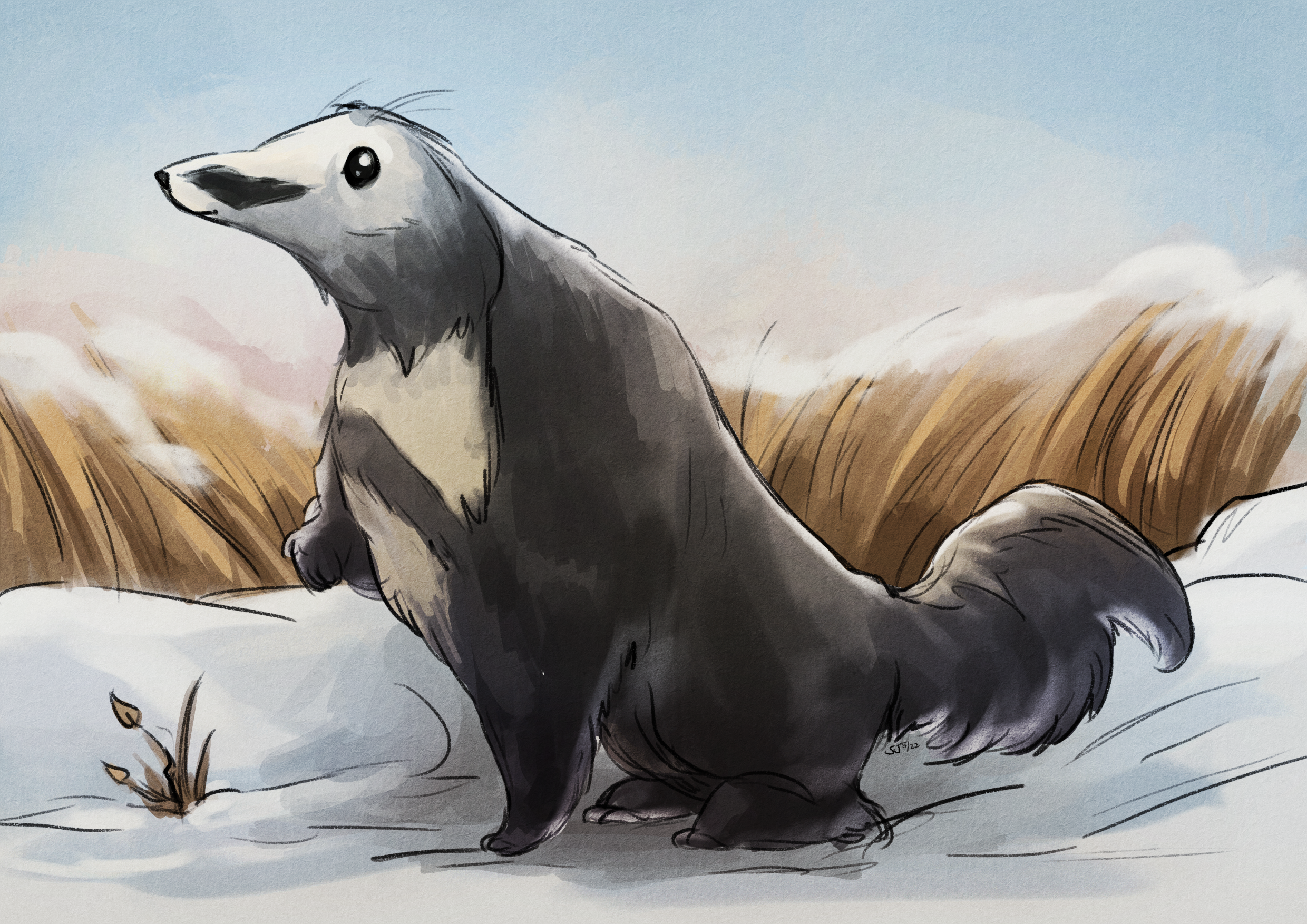
Release Date May 12, 2022
Sign up for a free account to claim this creature as your own.

by ninja
♥ 5

Discover other creatures

Explore an endless universe of ficticious life on NovelGens.

COMMON

#065 Aetyl Squid

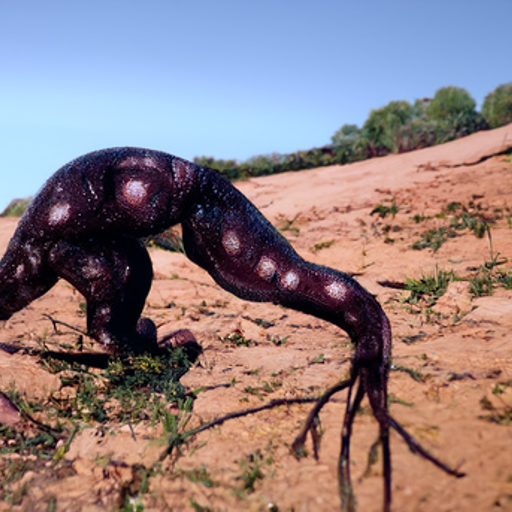
Aetyl squids swim through sand like their aquatic cousins do through water. They survive off a primarily-meat diet that are captured either by trap or a surprise emergence from the sand, dragging their prey back underground. The aetyl squid also m...

UNCOMMON

#172 Krangof

Krangofs are most notable for their pungent odor and high-pitched, loud calls. They are largely-solitary, aggressive scavengers and maim any other animal that they perceive as a threat. Their sharp teeth are formed into a single, solid, serrated b...

COMMON

#316 Domestic Szon

For centuries, the nation-state of Szo have primarily fed their people with domestic szon and, in turn, fed their szon with their recently-deceased citizens. As a result, this domesticated variant of the deep-sea szon has taken on a deep symbolism...

COMMON

#235 Worgant

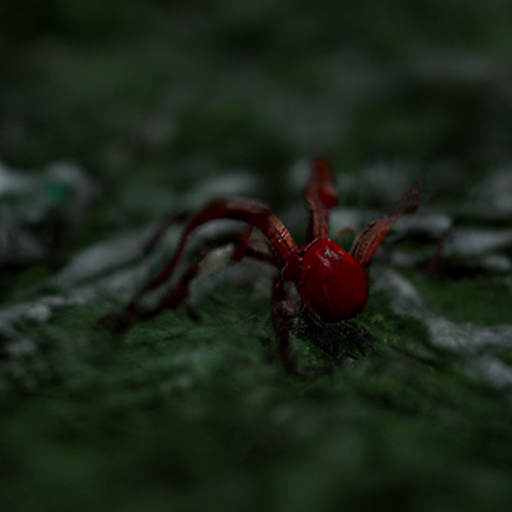
Worgants are a species of small were-ants that live in packs in the northern forests. They have a symbiotic relationship with the betzkra woodpeckers, who make holes in the bark of trees to get at grubs and other insects, which worgants then turn ...

RARE

#207 Skeighnog

Skeighnogs are vicious and bloodthirsty creatures from the vast forests of the world. They are small, roughly the size of a small dog but with a long, scaly tail and a bulbous, pouchy stomach. They are predators and will eat anything they can catc...

UNCOMMON

#284 Senjfisk

Senjfisk use thousands of microscopic limbs to move sand around them, enabling them to effectively swim through sand and loose dirt. These nocturnal carnivores also undergo a biological stasis while sleeping, which completely stops all but their m...