COMMON

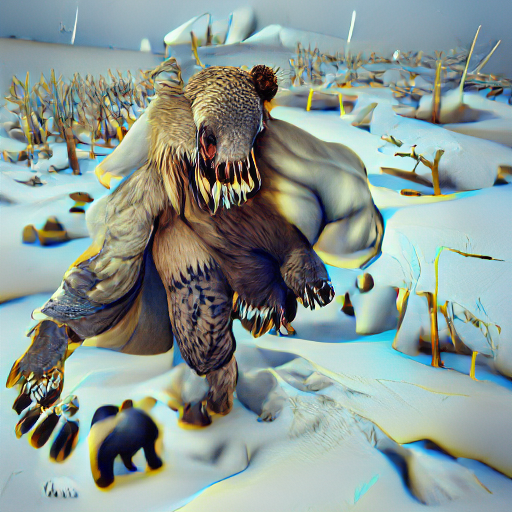
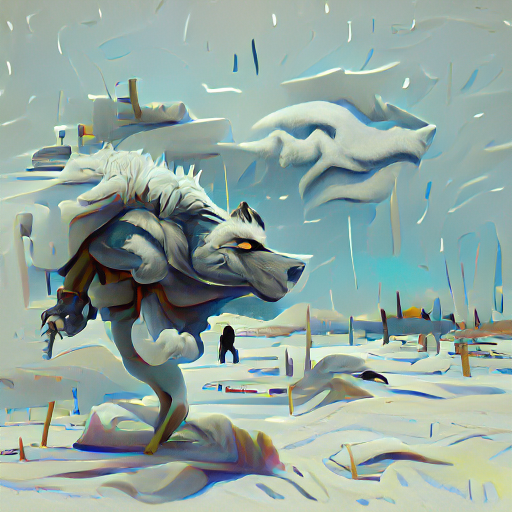
#068 Werespirit

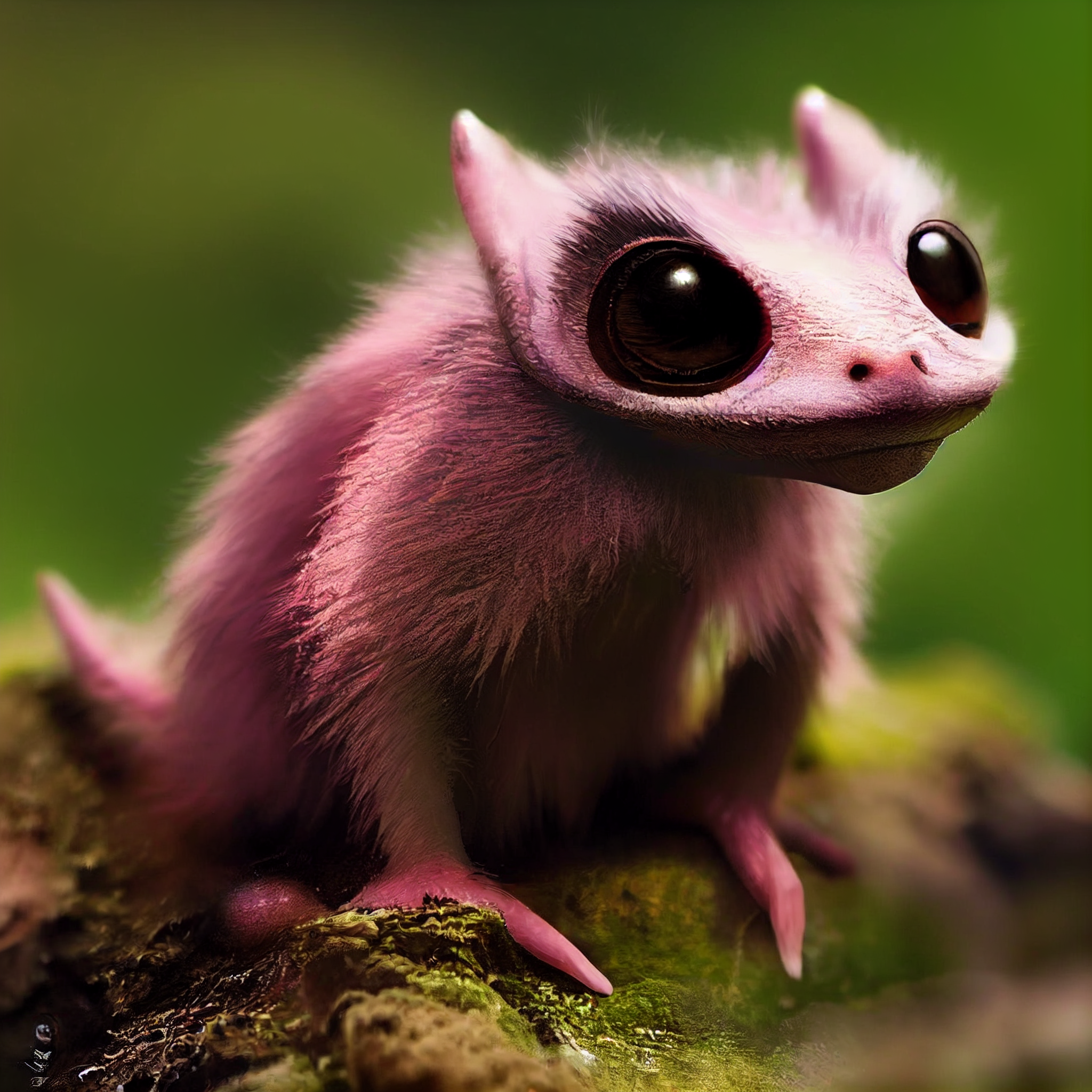
These poor souls thought death would be a sweet release from their lcyanthropic curse. Instead, werespirits go into a ghostly rage every full moon, furiously causing mild inconveniences and minor mishaps for people in the physical realm. Some cultures bury suspected werewolves with silver tombstones to keep their town were-free.

Release Date March 05, 2022
Sign up for a free account to claim this creature as your own.

Discover other creatures

Explore an endless universe of ficticious life on NovelGens.
UNCOMMON

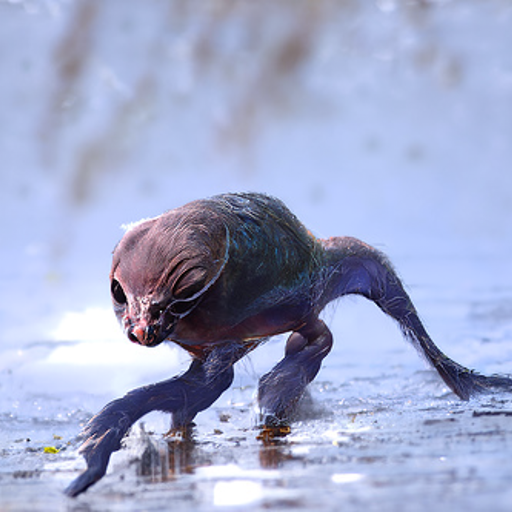
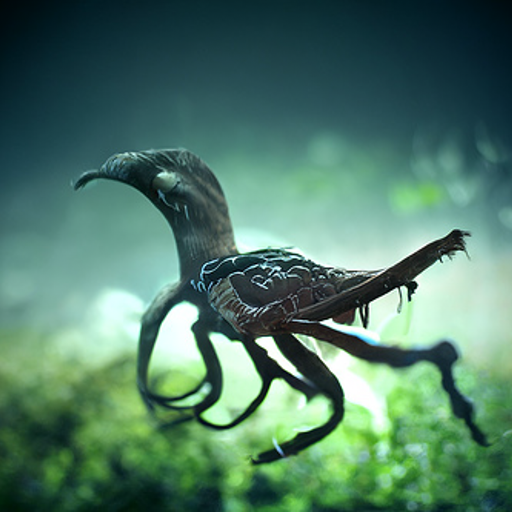
#018 Blaud

Blauds are tiny, goat-like creatures that can grow up to an inch tall when fully grown. Although they love the rain, it often washes them away, causing them to drown. They are extremely sensitive to the sun and will die if exposed to it for too lo...

UNCOMMON

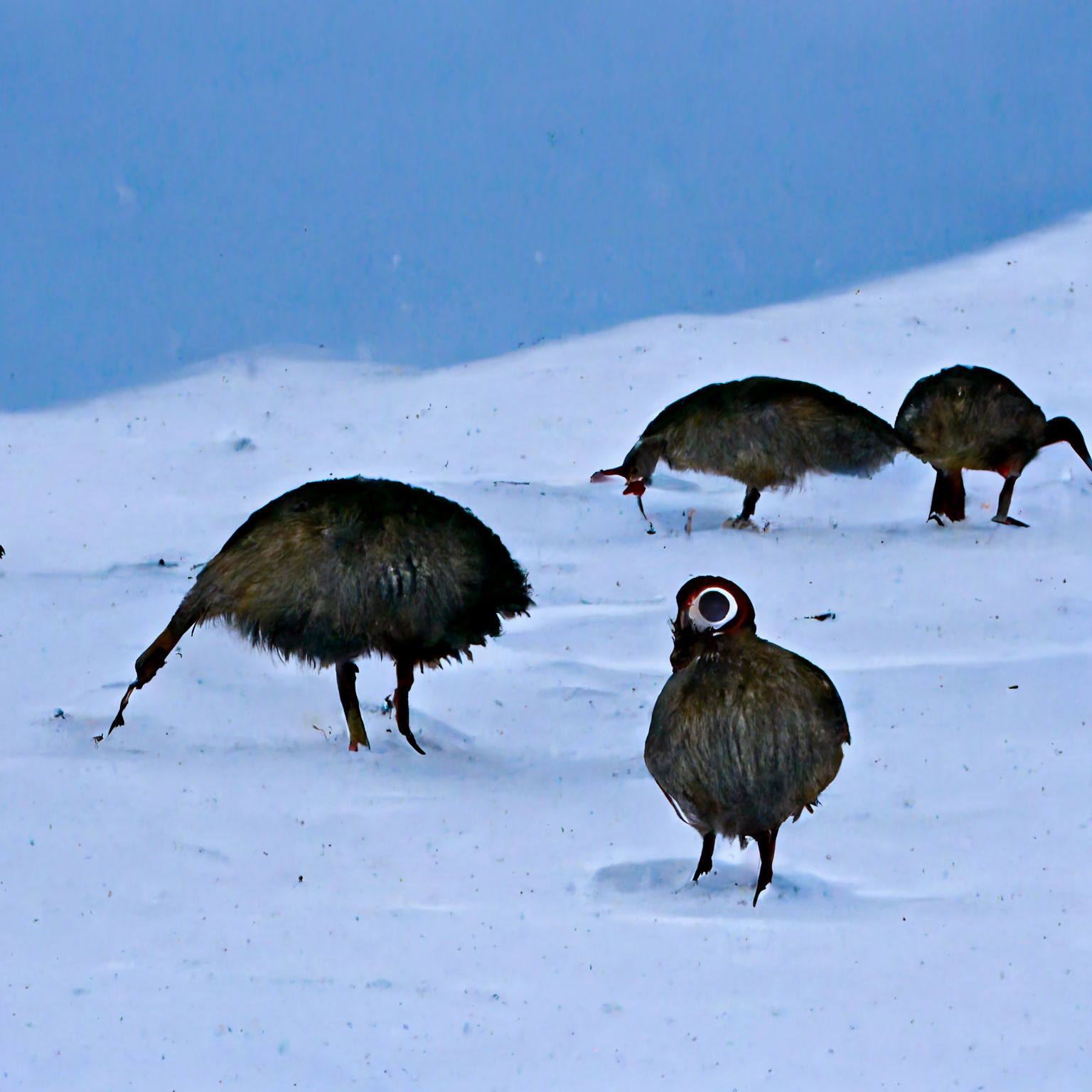
#114 Rolglu

Rolglu are large, bristly bears that never stop migrating. They have six legs, detachable paws, and stand about eight feet tall. They are herbivores and will often follow farmers' plows, eating the freshly dug roots and other plants that are uncov...

COMMON

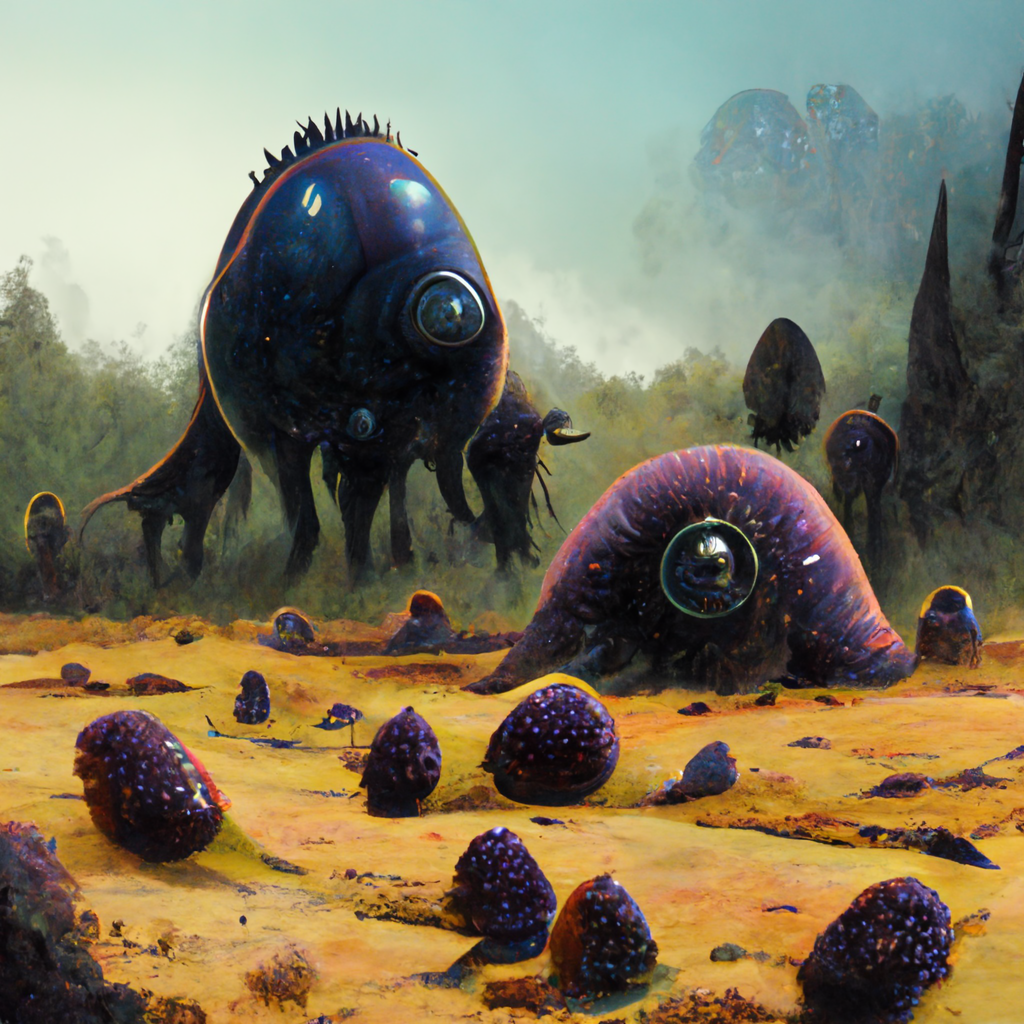
#070 Cycti

Cycti are an artificial race created by infusing gorilla DNA in a spliced cactus-bramble plant that evolved sentience and intelligence only a year after inception. Now, they roam the deserts with armies of sub-humans blindly following their vast i...

COMMON

#266 Zajg

Zajg (spelled zayg in some locales) are a faceless fish common in warm reefs. These large trawlers use a version of echolocation that provides better information about their surroundings compared to typical fish eyesight. This sensory system allow...

UNCOMMON

#159 Elephant Turtles

Elephant turtles are the aft-named cross-breed between the ancient African elephant and the gorgola turtle. Rather than growing a shell, elephant turtles take on more of a blob shape, covered in thick, unbreakable scales that resemble elephant ski...

UNCOMMON

#276 Vuvegge

Vuvegges are small insects common to forests and jungles that don't develop a sense of sight until a late stage of life. During their early "formative" years, vuvegges use their large eyeballs as sacs to store additional food or resources. Vuve...