UNCOMMON

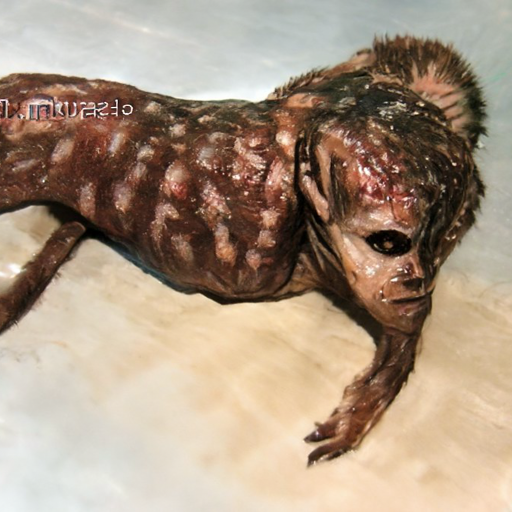
#007 Merm

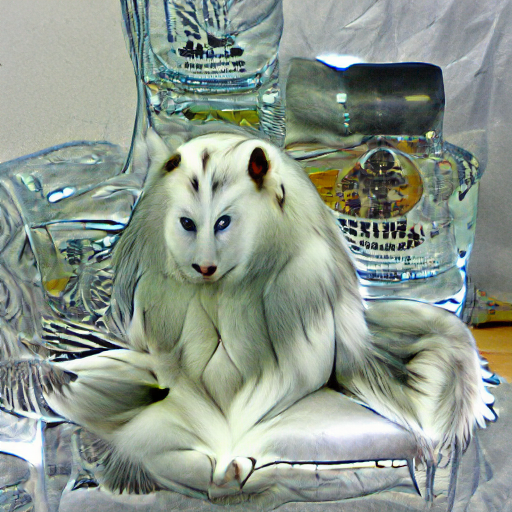
Merms live in small groups, typically in the deepest reaches of the western oceans. They seem closely related to a potential aquatic fork of human evolution, but scientists haven't yet developed a way to communicate with them.

Found in
Release Date January 03, 2022
Sign up for a free account to claim this creature as your own.

Discover other creatures

Explore an endless universe of ficticious life on NovelGens.

UNCOMMON

#217 Jauxckle

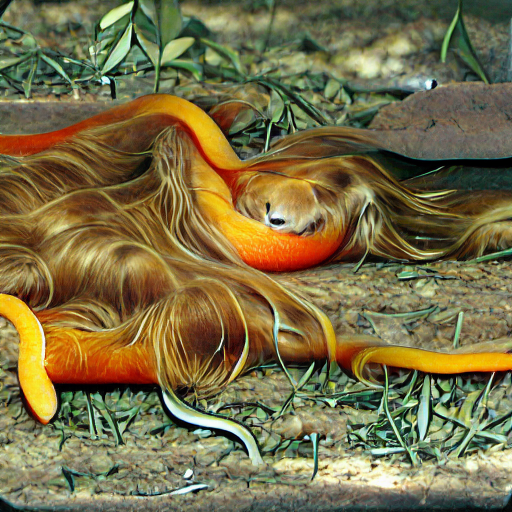
The jauxckle is a small mammal that typically calls colder forests its home, but will often wander into new areas in its post-life undead state. Although jauxckles exclusively feed on berries and other vegetation during their life, they also inclu...

COMMON

#104 Ayri

Ayris are large, green worms that live near shallow waters. They can grow to be up to ten feet long and weigh up to four hundred pounds. They have a mouth with a large tongue in the middle of their head, which they use to feed on small fish, crabs...

UNCOMMON

#079 Skrayll

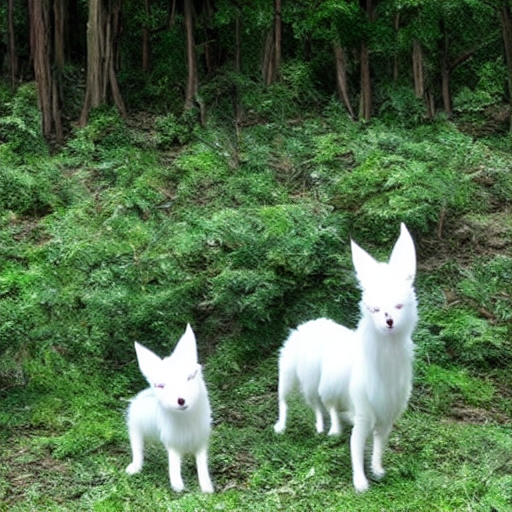
Most Skraylls live in the darkest forests, eating shrubs and rodents, although those that live a long time often grow larger and larger. Skrayll bones are made of a soft, rubbery substance that allows them to change over time depending on use, not...

RARE

#108 Nulstiver

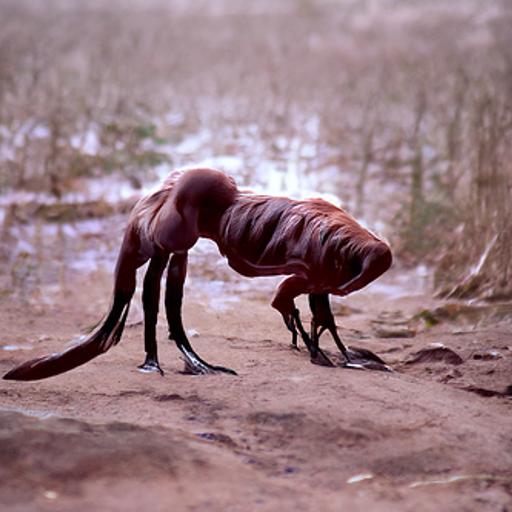
Nulstivers are large, werecreatures that are native to ancient tundra wastelands. They are generally quite docile and tend to move extremely slowly unless provoked. Despite being quite fearsome in appearance, they are typically quite friendly, oft...

COMMON

#240 Bargrim

The bargrim is a small, nocturnal creature which is native to the forests of the world. It may look like an ordinary butterfly when it is resting, but its natural camouflage belies its fearsome nature. It has sharp teeth, tough scales, and can qui...

COMMON

#227 Ganturp

Ganturps are a species of relatively large insect found in forests throughout the world. They are brightly-colored and use their wings to create unique patterns that can be seen from afar. These patterns can be used by other ganturps to determine ...