RARE

#209 Beleymer

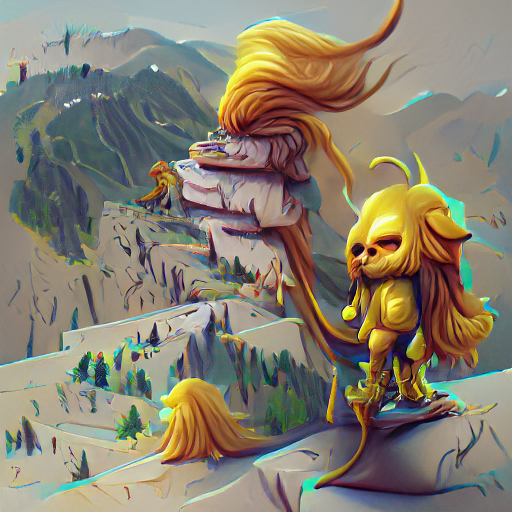
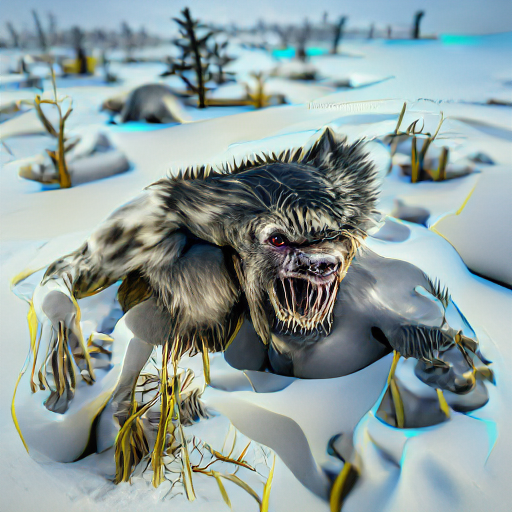
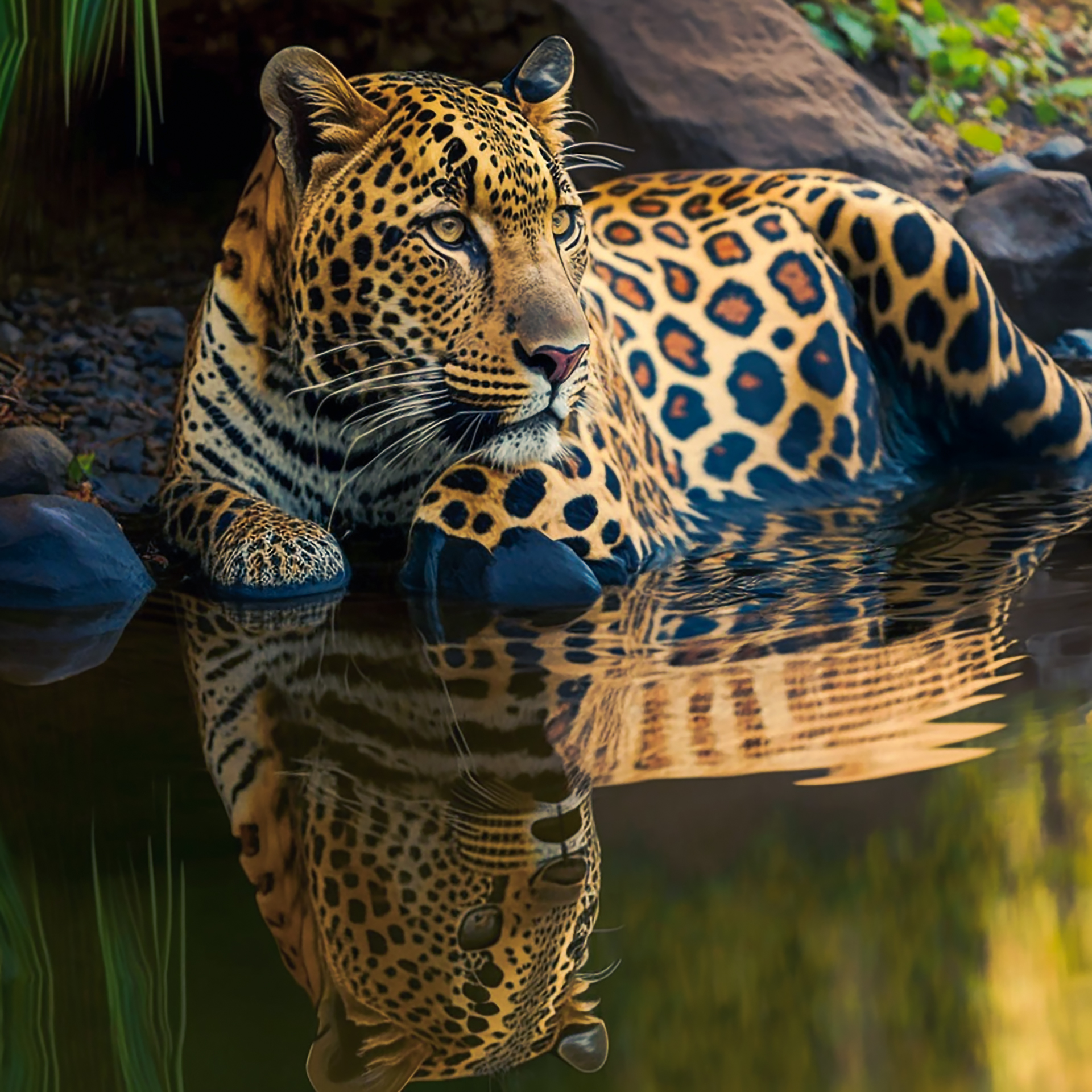
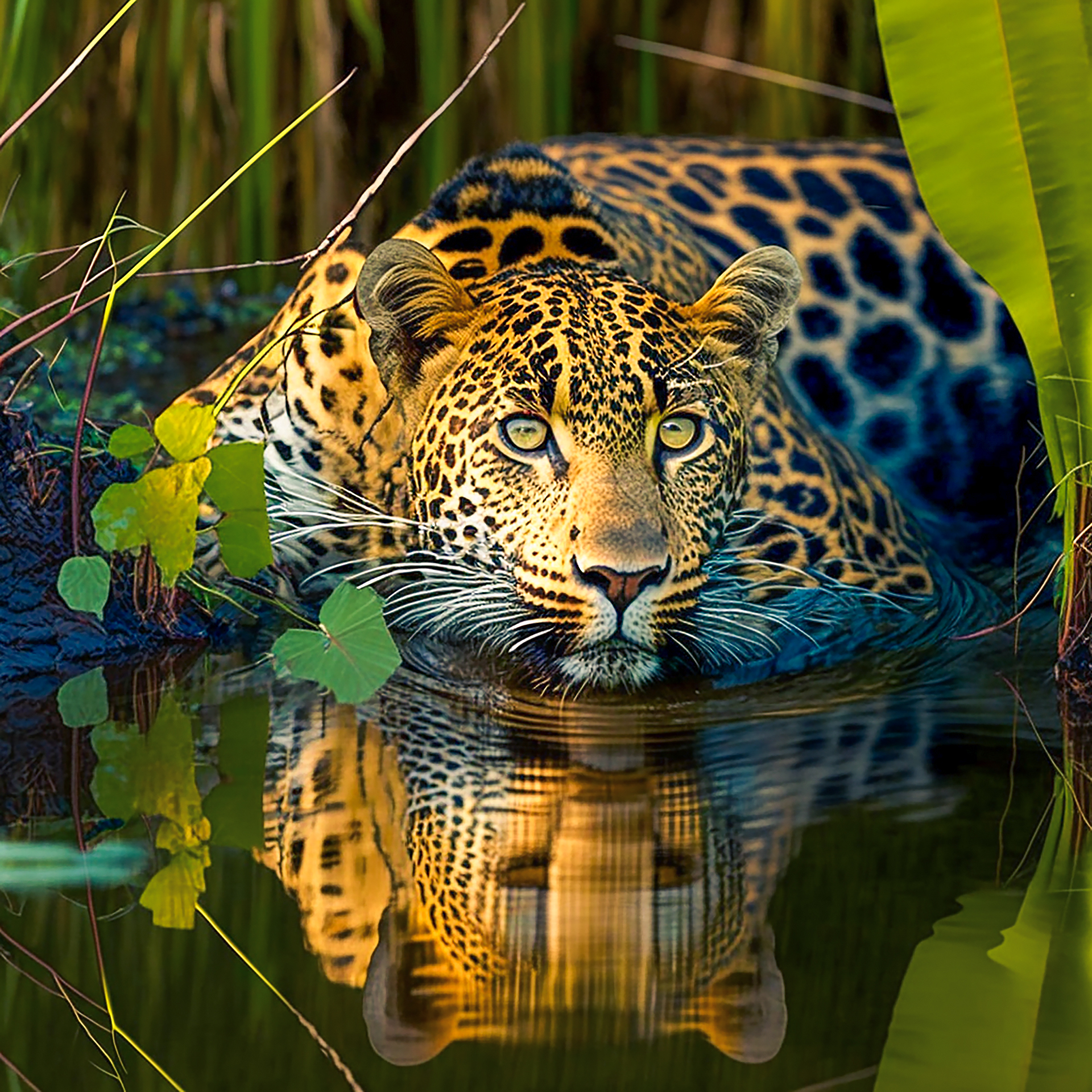
Beleymers are enormous, leopard-like creatures that live in the swamps and marshes in the north. When they are not hunting and eating, they enjoy wallowing in mud and sleeping in the sun. Beleymers live in families and often work together to catch prey, forming long-term familial communities. Beleymer fur is extremely thick and heat-resistant, making their pelts extremely valuable to colder societies.

Release Date July 24, 2022
Sign up for a free account to claim this creature as your own.

♥ 1

♥ 1

Discover other creatures

Explore an endless universe of ficticious life on NovelGens.
RARE

#030 Urryn-ast

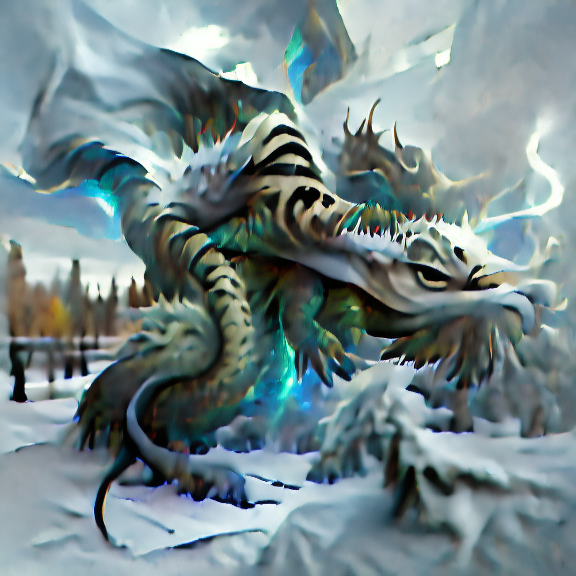
Urryn-ast are always on the hunt for humans on the verge of death and will track their prey for days at a time. They consume deceased bodies whole and, in doing so, memorize a sequence of the consumed DNA as a part of their complex digestive proce...

UNCOMMON

#123 Fenglokam

Fenglokam are stout snake-like creatures with strong limbs, broad feet and a thick tail. They are very hardy animals that can live in virtually any environment or climate and emanate cold from their body rather than heat. Their diet consists mainl...

RARE

#087 Red-eyed Deepsquid

It's a rare occurrence for a red-eyed deepsquid to wash ashore, but certain coasts make a habit of it more often than others. It is unclear how the beached deepsquids we've seen have died, nor is it clear where in the deep oceans they call home. D...

COMMON

#051 Akaru

Akaru are a small, domesticated breed of dragons originally popularized by farmers in the east. Fully grown, most akarun won't even reach your knees. They're bred for vivid colors and make great pets who love to fly around and bring their owner ba...

UNCOMMON

#137 Gungon

Gungons are medium-sized primates that live in the colder forests of the world. Their white fur is very dense, waterproof, and home to many insect populations. The colorful plants that grow out of their backs serve as camouflage in the spring,...

UNCOMMON

#284 Senjfisk

Senjfisk use thousands of microscopic limbs to move sand around them, enabling them to effectively swim through sand and loose dirt. These nocturnal carnivores also undergo a biological stasis while sleeping, which completely stops all but their m...