RARE

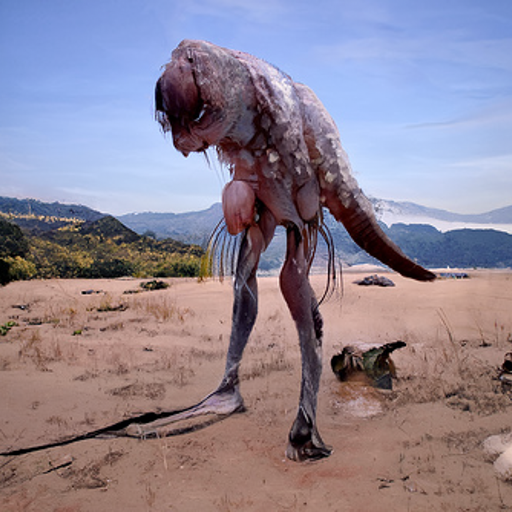
#162 Dansi

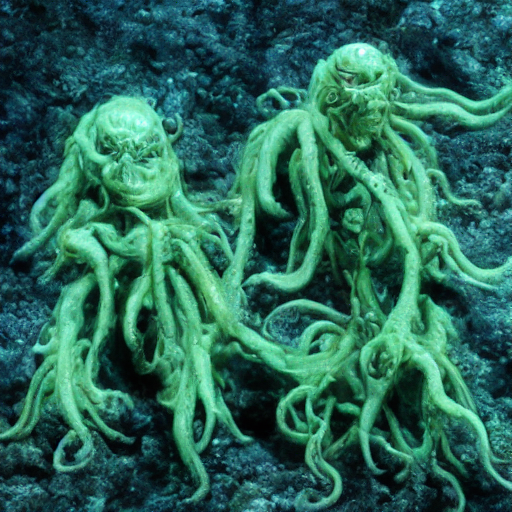
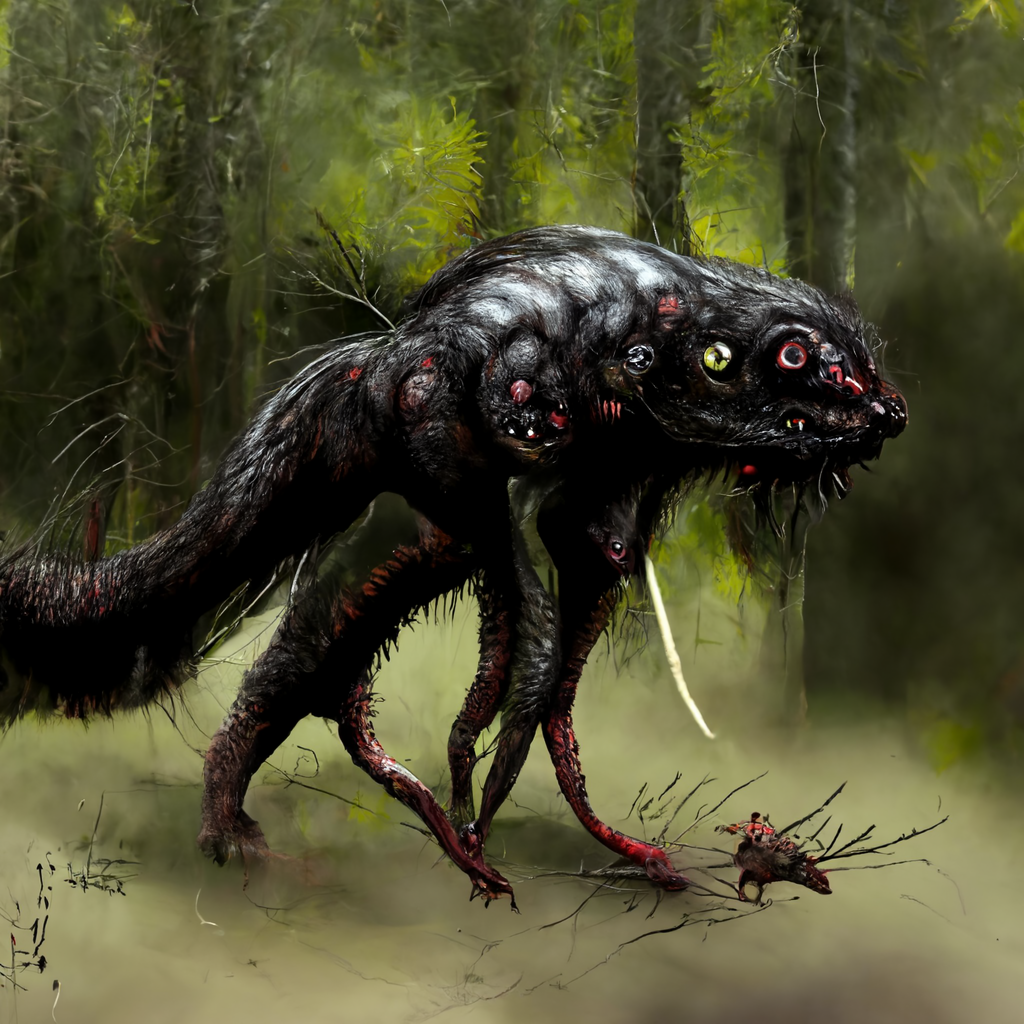
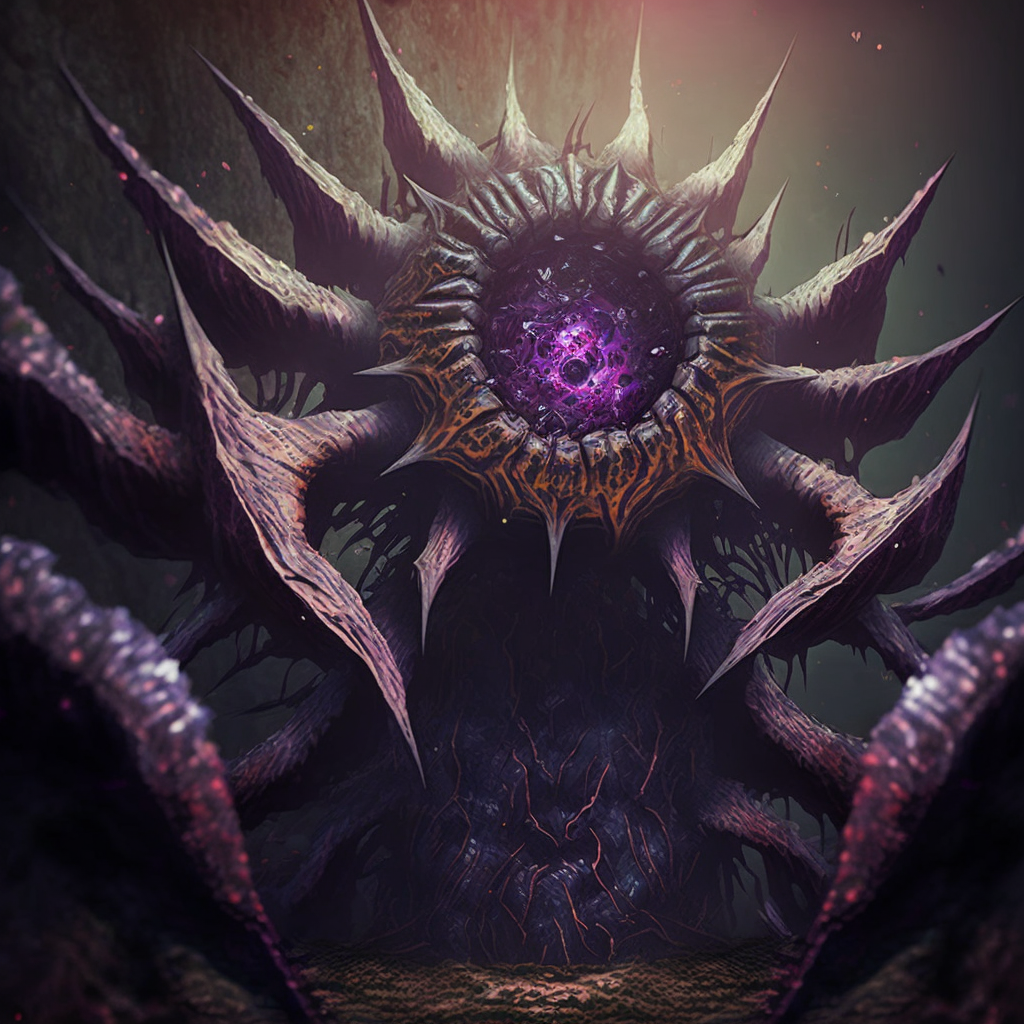
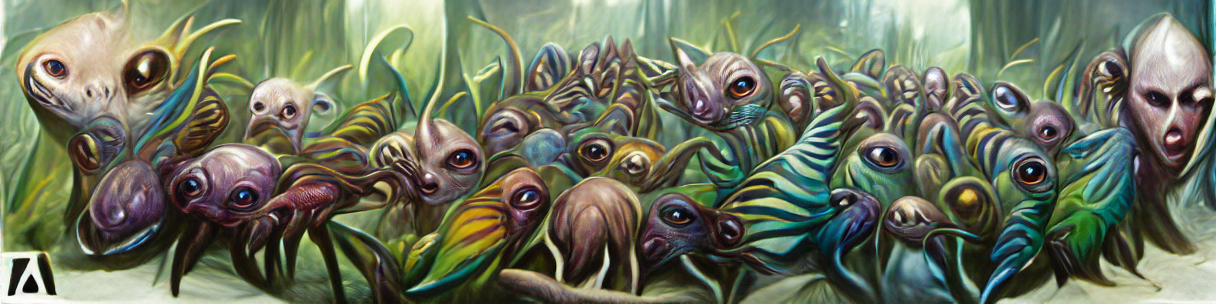
The dansi is a species of fish that can be found near the water surface in many areas of the world. They have an average length of fifteen inches and an average weight of thirty ounces. Dansis have a very flexible spine which allows them to make rapid turns and twists when trying to catch prey or avoid predators. They are typically dark yellow in color and have a large dorsal fin.

Found in
Release Date June 07, 2022
Sign up for a free account to claim this creature as your own.

Discover other creatures

Explore an endless universe of ficticious life on NovelGens.
UNCOMMON

#023 Jibini

The jibini race mutated from field mice in radioactive forests in the east. Over time, both their size and their hunger grew to colossal proportions; when they're not munching on trees to sustain an eternal hunger, they can be seen playing tunnel ...

UNCOMMON

#217 Jauxckle

The jauxckle is a small mammal that typically calls colder forests its home, but will often wander into new areas in its post-life undead state. Although jauxckles exclusively feed on berries and other vegetation during their life, they also inclu...

COMMON

#266 Zajg

Zajg (spelled zayg in some locales) are a faceless fish common in warm reefs. These large trawlers use a version of echolocation that provides better information about their surroundings compared to typical fish eyesight. This sensory system allow...

UNCOMMON

#197 Glandrac

Glandracs are living piles of desert trash. They are the avatars of the world’s most disgusting souls, who have been reborn as living garbage. Glandracs are always scrounging for food and will sometimes go for days without finding anything to eat....

UNCOMMON

#330 Jibbin

Jibbins are interesting tundra-dwelling creatures best known for their rapid growth and shrinking, with their size determined almost entirely by their mood (and most recent meal). Although they generally keep a scarce diet of nuts and berries scav...

COMMON

#339 Karkat

Karkats are medium-sized creatures that spend most of their time on the ocean floor, though they will occasionally come to the surface for air. They have hollow bones and two long, nearly prehensile tails that help them to swim quickly. When they ...