COMMON

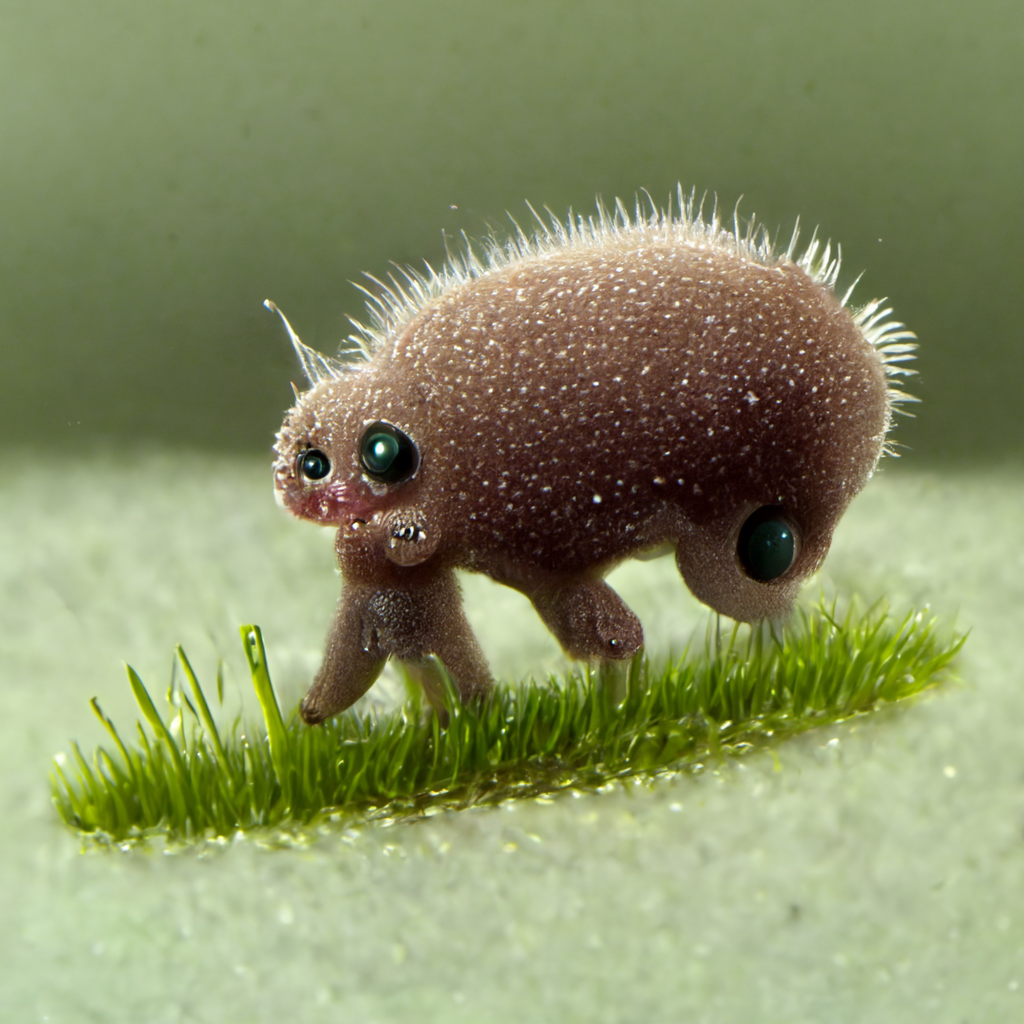
#085 Worgrad

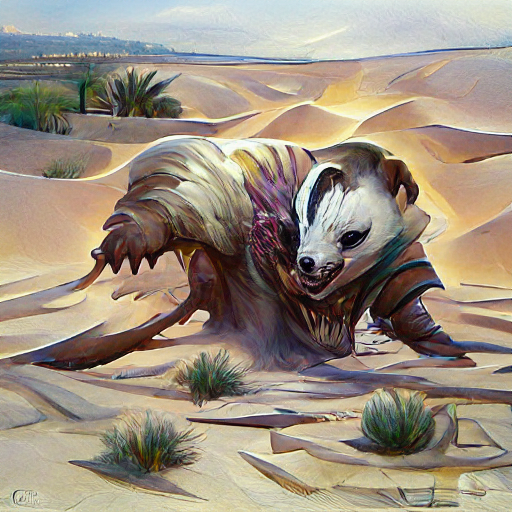
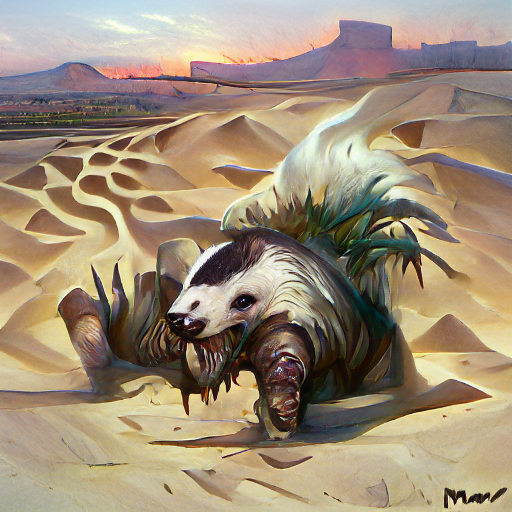
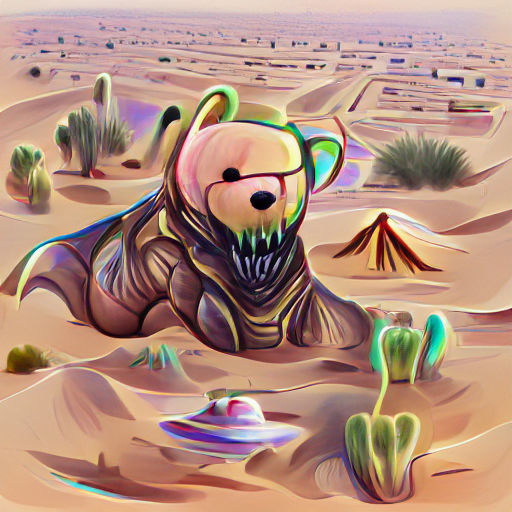
Worgrads are small desert-dwelling creatures that subsist on a diet of insects, light rays, and gusts of desert wind. They are very small, with large, black eyes and soft, sandy-colored fur that feels like sandpaper. Worgrads live in small burrows, consisting of large, open rooms connected by winding tunnels, which they build themselves out of desert sand, clay, and plant matter. They spend most of their day sleeping, but they are very active at night, and can sometimes be heard climbing across the ceilings of their burrows making mysterious clicking noises.

Release Date March 22, 2022
Sign up for a free account to claim this creature as your own.

by NovelGens

by NovelGens

Discover other creatures

Explore an endless universe of ficticious life on NovelGens.
UNCOMMON

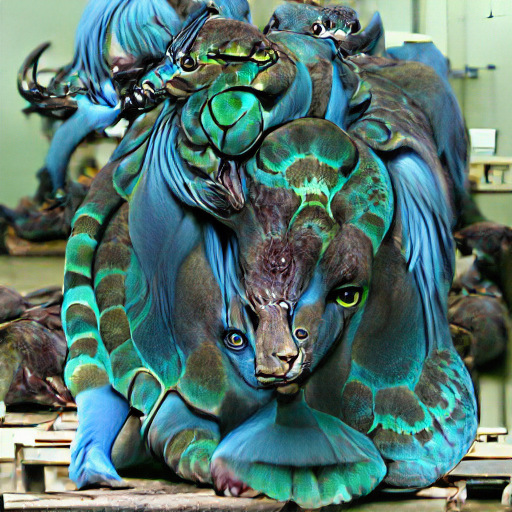
#271 Frost Skrayll

Frost skrayll genetically diverged from the common skrayll during the Great Frosting, where their highly-malleable bodies adapted to changing weather conditions. Frost skrayll secrete a slimy substance that freezes instantly when exposed to air, w...

COMMON

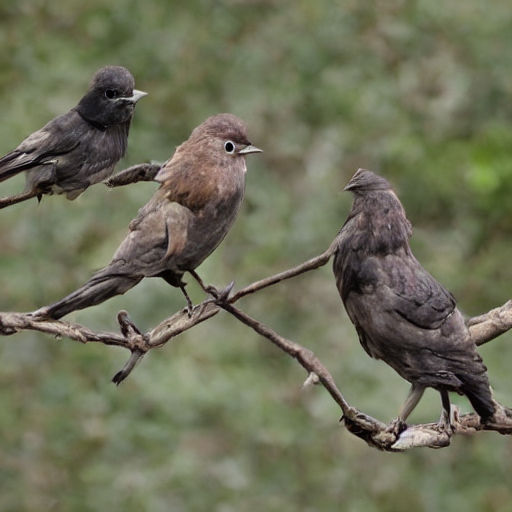
#283 Dukrok

Dukroks are desert-dwelling birds that come in brown, black, and grey variants. They have long, thin legs and use their beaks like pickaxes to mine for insects in the sand. The dukrok will sometimes bury itself in the sand and wait for prey to com...

UNCOMMON

#254 Boolic

Boolics are placid snail-like creatures that spend most of their days crawling in circles through the grass, slowly grazing and depositing their helmet-like shells in a community pile as they grow. In the night they retreat into their shells and b...

RARE

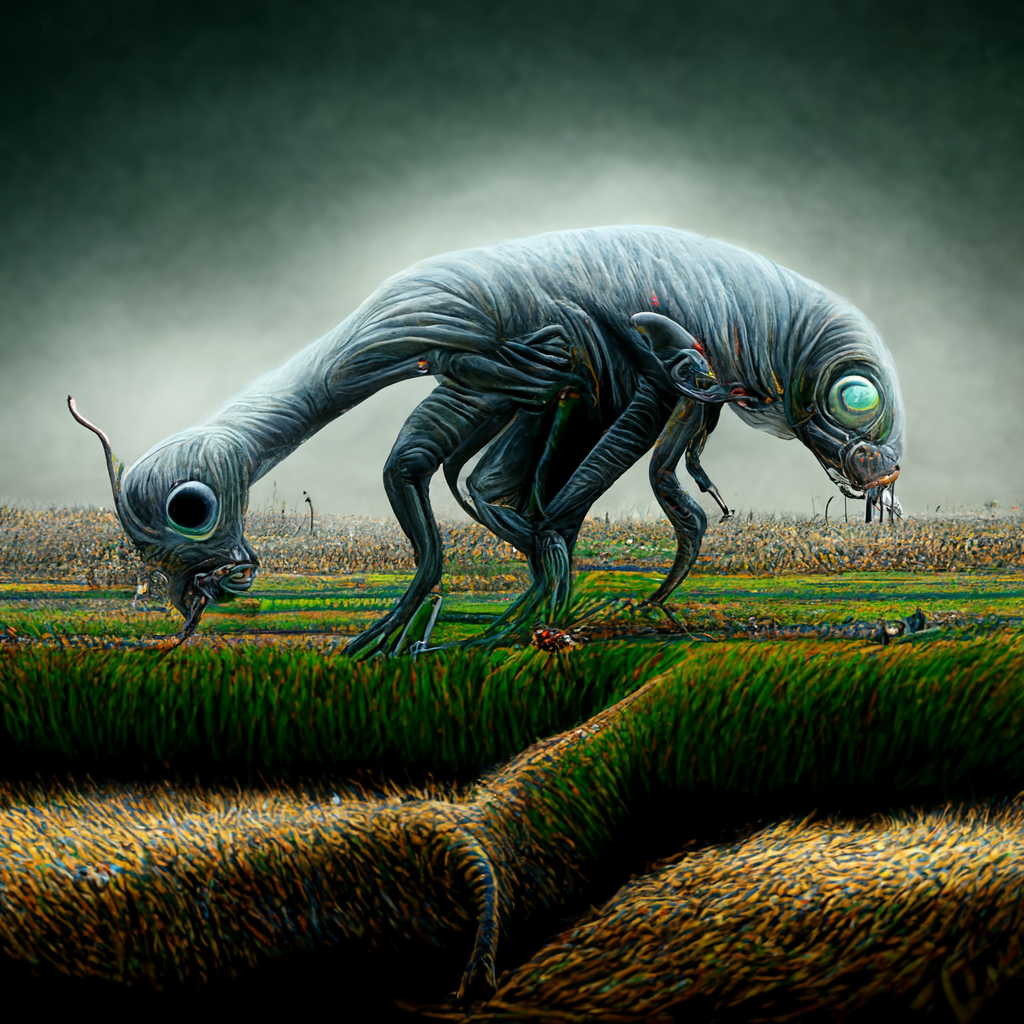
#285 Vcunkrx

The behemoth vcunkrx are the center of the desert ecosystem, or at least the top of it. Vcunkrx are extremely resilient to both internal and external threats and can survive for years without water or food, instead drawing their energy from the am...

UNCOMMON

#305 Goursherpoid

Goursherpoids are aggressive reptiles that have large, flat sensors in their eye which allows them to see every wavelength of light. They have a long t tail that they can use defensively to whack their predators, and they have a bone behind their ...

UNIQUE

#374 Panileaf

A rare incubating leaf. When hatched, it's roots suck up all the nutrients in the soil and destroys the plants around it. These plants hatch a hundred years after they are taken out of their mother plant. The size of the leaves depends on how fa...