COMMON

#275 Foyud

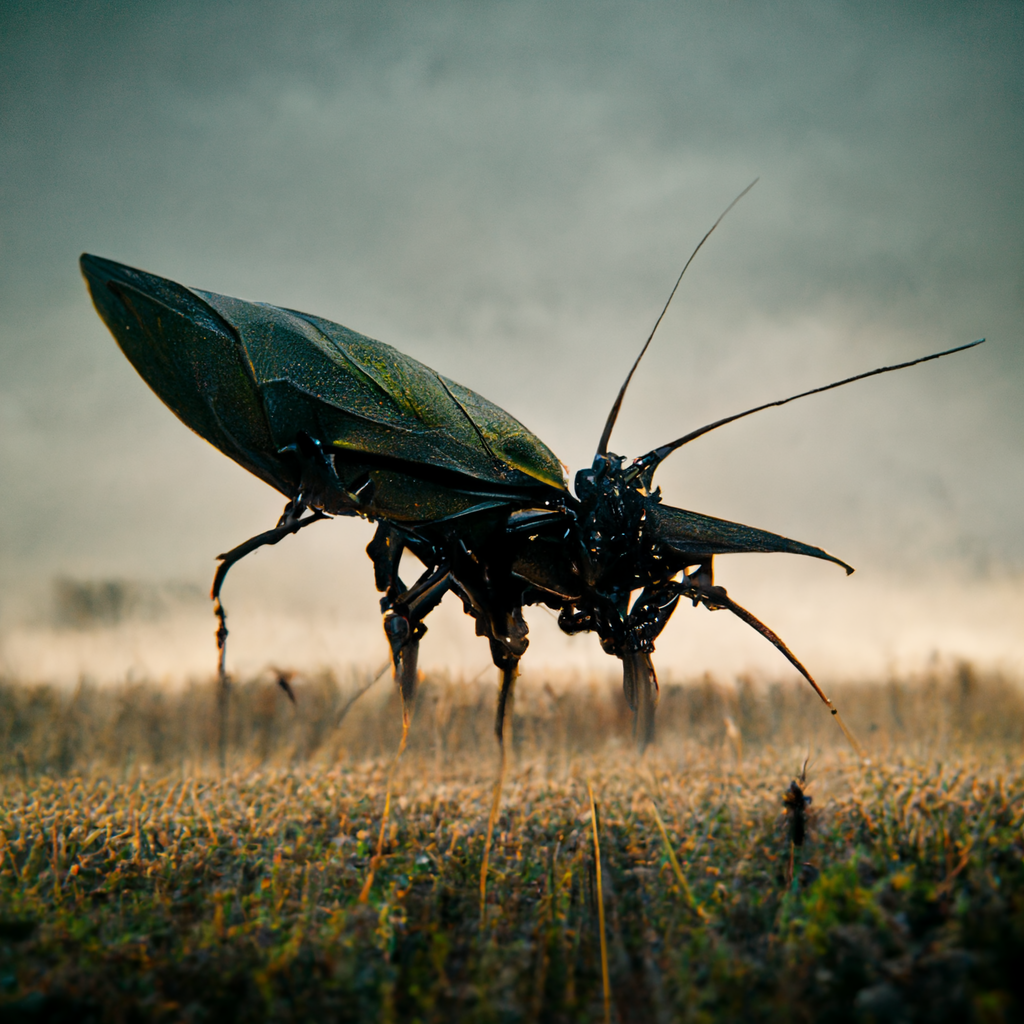
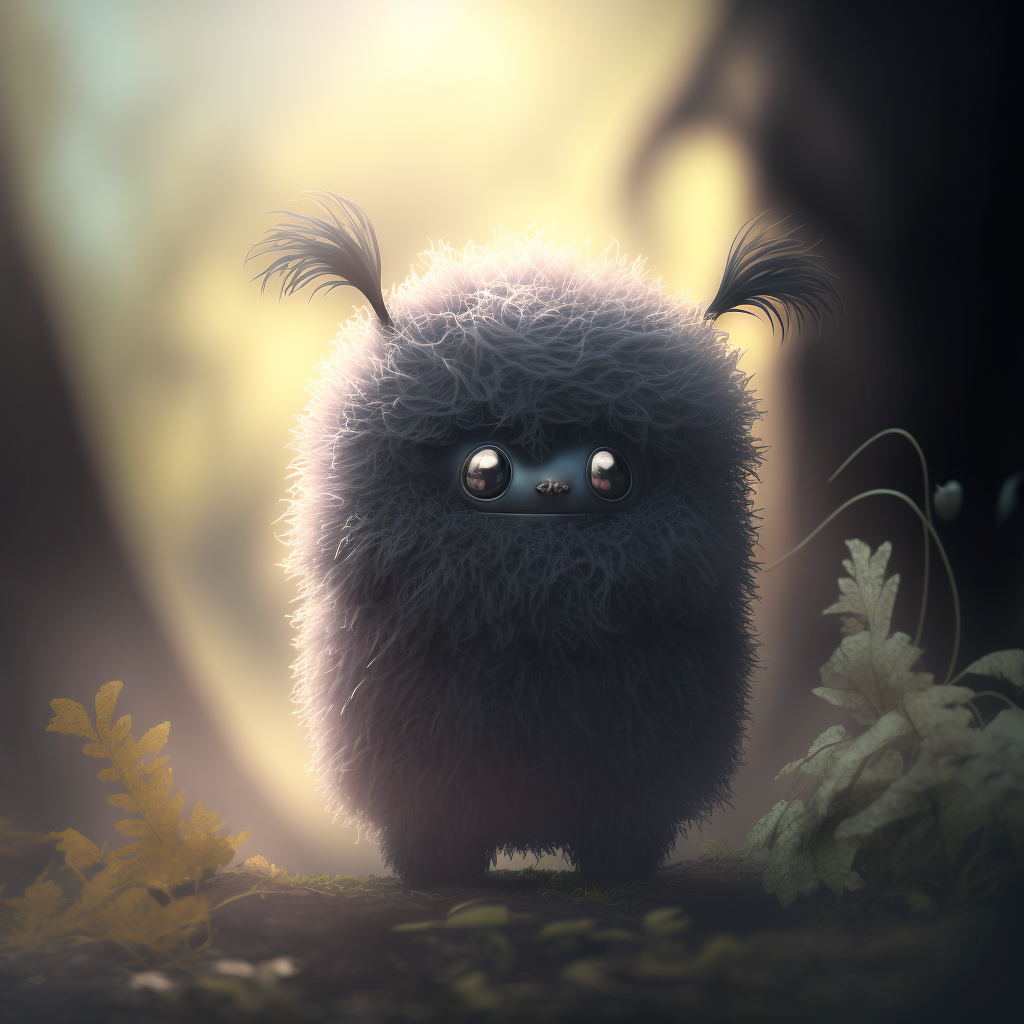
Foyud are small insects that look like perched butterflies. However, foyuds are actually more closely related to arachnids that wear "wings" purely for decoration and dissuading predators. Beneath their wings, foyuds walk on dozens of tiny articulated legs. Foyuds cannot fly or even jump, and spend most of their time slowly stumbling from vegetation to vegetation in constant search of food.

Found in
Release Date September 28, 2022
Sign up for a free account to claim this creature as your own.

Discover other creatures

Explore an endless universe of ficticious life on NovelGens.
COMMON

#113 Vune Ballow

Small vune ballow dragons are commonly found throughout the world. They are covered in beautifully prismatic scales and are able to fly short distances, but tire quickly. Depending on the color of their eyes, they can typically breathe a small amo...

UNCOMMON

#144 Stemilia

The stemilia are an ancient race of primates known for their extremely long, stilt-like legs. Although they historically cooperated with humanity in the distant past and lived in relative harmony with jungle villages, modern stemilia are significa...

COMMON

#166 Zaigarch

Zaigarchs are translucent jellyfish-like creatures that live in the magma chambers of their planet. They have bioluminescent organs that allow them to be seen in the dark recesses of their native caves, and the light they emit provides ocular nutr...

COMMON

#182 Artik-un

Artik-un are hoofed creatures domesticated for their speed, strength, and intelligence. Artik-un have an excellent sense of balance and can leap twenty times their height in the air, where they're also capable of contorting their body in response ...

RARE

#267 Groxus

The groxus is the largest known insect in the world. They can grow to be 300 feet long and weigh up to 60 tons. Groxuses are nocturnal, feeding on large mammals and each other. They can be found in forests and deserts throughout the world. Because...

UNCOMMON

#284 Senjfisk

Senjfisk use thousands of microscopic limbs to move sand around them, enabling them to effectively swim through sand and loose dirt. These nocturnal carnivores also undergo a biological stasis while sleeping, which completely stops all but their m...