COMMON

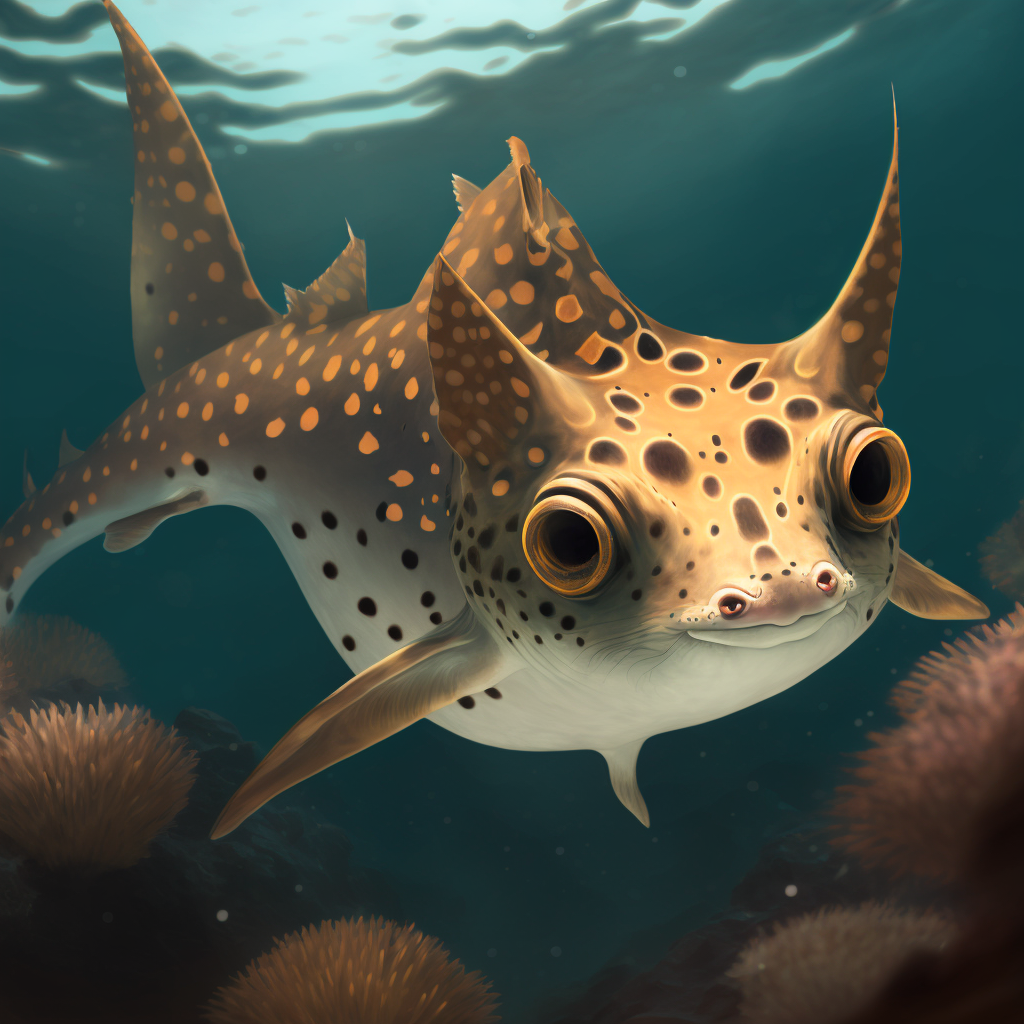
#310 Buuzkut

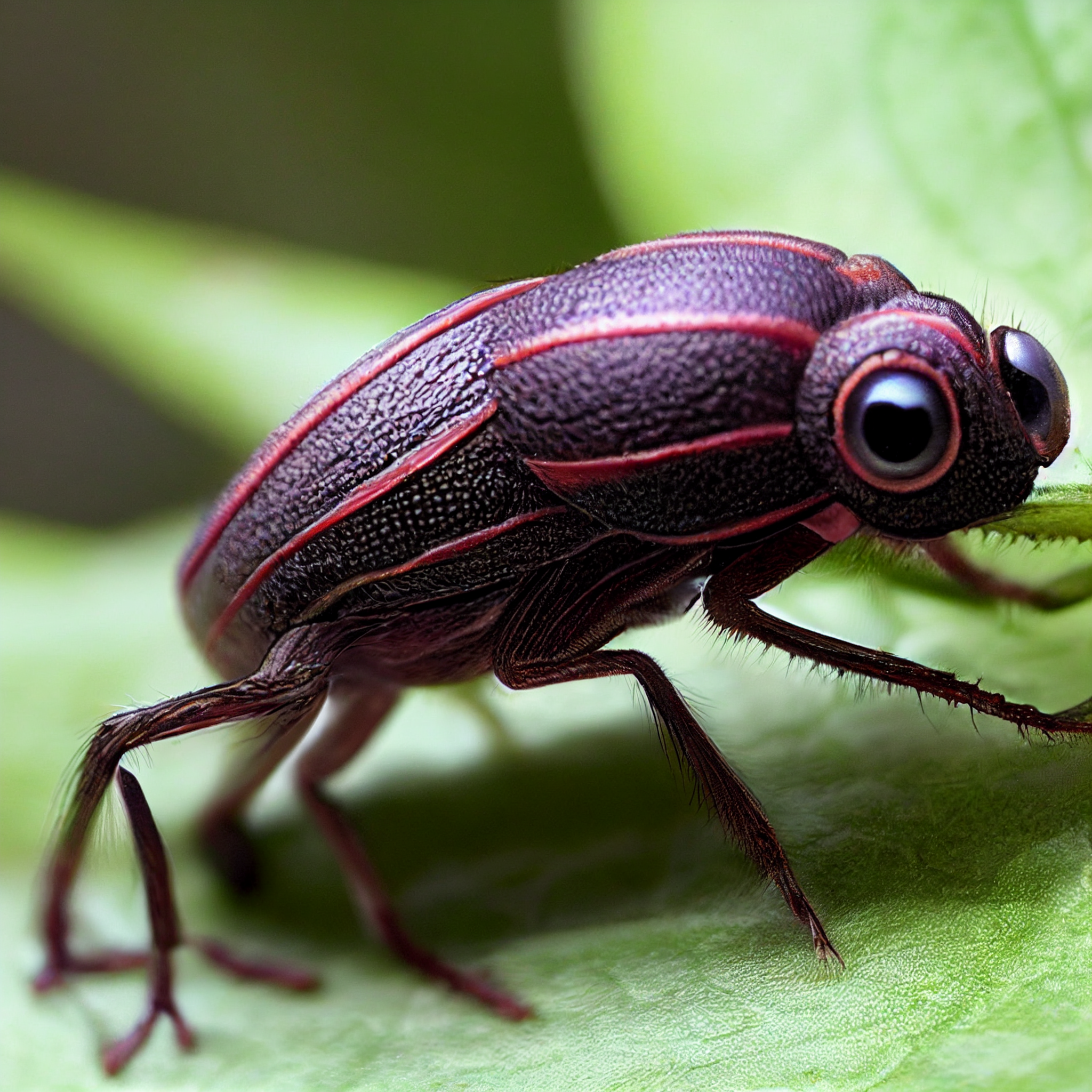
Buuzkuts are a species of small animal that looks a lot like a beetle, but are actually part of the Lepidoptera order. They have large eyes, a chitinous shell, and an intermuscular antenna. Buuzkuts love to eat fizzy drinks and will often hoard cans of it in their underground nests. They rarely come out during the daytime, preferring to stay in their nests and slowly slurp up a steady stream of fizzy soda. The average buuzkut lives for about six months.

Release Date November 02, 2022
Sign up for a free account to claim this creature as your own.

Discover other creatures

Explore an endless universe of ficticious life on NovelGens.
COMMON

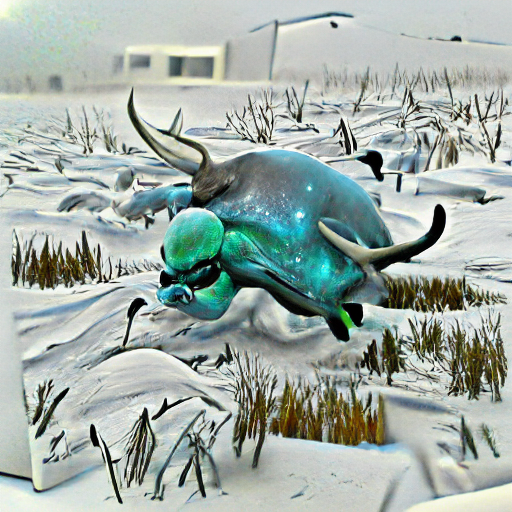
#090 Ekkast

The ekkast is a vicious creature that moves on eight legs but can slither through loose ground like a snake, and often feasts on large mammals. While young ekkasts are small enough to use natural rock structures for protection, the adult ekkasts b...

RARE

#108 Nulstiver

Nulstivers are large, werecreatures that are native to ancient tundra wastelands. They are generally quite docile and tend to move extremely slowly unless provoked. Despite being quite fearsome in appearance, they are typically quite friendly, oft...

COMMON

#073 Pinbin Snake

Pinbin snakes are totally harmless, almost-friendly creatures. They eat grass, lick rocks for fun, and rarely grow more than a foot long. Their eyes are a delicacy among the rich.

RARE

#262 Ri-la-doch

Ri-la-doch are a species of sentient amphibious creatures that are somewhat similar to a large frog. Most are around three feet tall and covered in reflective, chromatically-aberrant skin. Like a frog, they are able to jump enormous distances and ...

UNCOMMON

#305 Goursherpoid

Goursherpoids are aggressive reptiles that have large, flat sensors in their eye which allows them to see every wavelength of light. They have a long t tail that they can use defensively to whack their predators, and they have a bone behind their ...

COMMON

#358 Mollang

Mollang are small marsupials often found throughout wetlands and jungles. They live long lives despite the poisonous fungus that commonly grows on their short fur, which also protects them from most predators thanks to the highly-contagious nature...