RARE

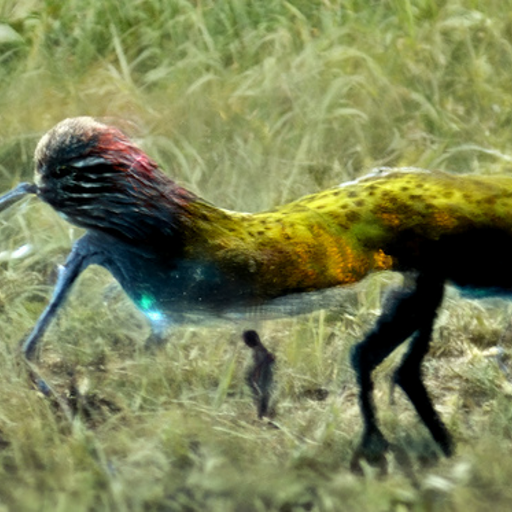
#099 Sneacock

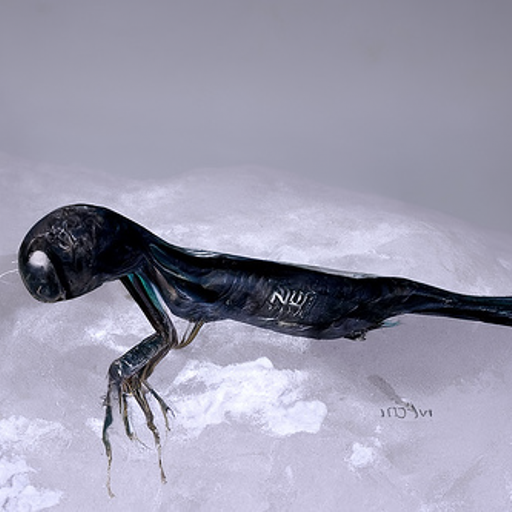
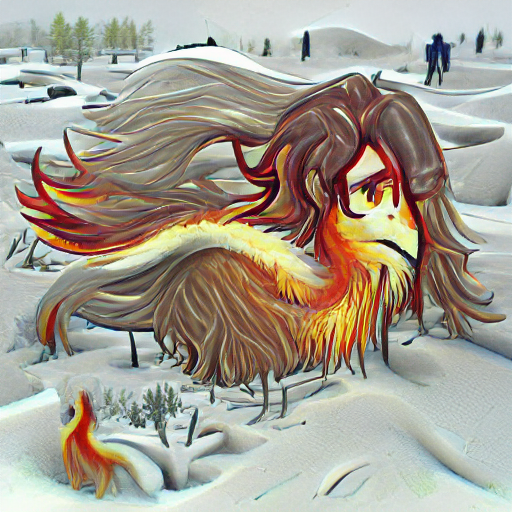
Once upon a time, a snake and a peacock found a way to produce an offspring. That offspring's intimidating colors and wholly evil nature quickly made it the dominant species of its island, where it reproduced and overpopulated for centuries before a merchant's ship brought the predator to the mainland. The island is now known as Sneacock Island and it is strictly forbidden lest another devastating sneacock outbreak occur again.

Release Date April 05, 2022
Sign up for a free account to claim this creature as your own.

Discover other creatures

Explore an endless universe of ficticious life on NovelGens.
RARE

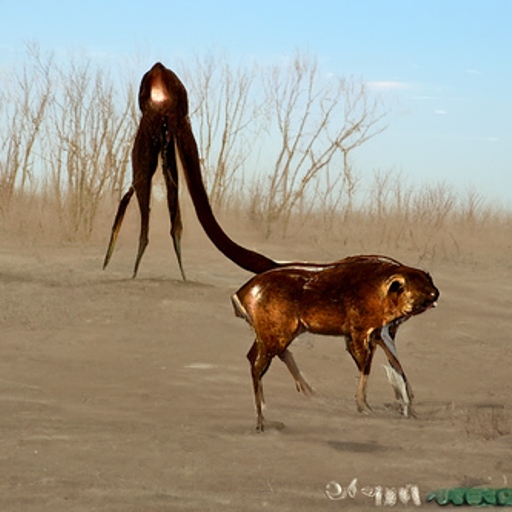
#078 Etorg

Etorgs are the living skeletal remains of eternal giants. Although most have grown bored of life and live solitary lives atop mountains or in colossal underground caves, younger etorgs will sometimes adopt a city, curl up around it, and patiently ...

RARE

#196 Fa'gu'leyth

The monstrous fa'gu'leyth is an extradimensional parasite from an unknown source. Initial tests indicate the fa'gu'leyth is capable of infecting native plantlife (especially moss) with a hivemind-like syndrome. It has been determined that the fa'g...

RARE

#160 Mechacrab

Mechacrabs were ironically given their name after a sarcastic explorer discovered the species in an underground cave on a spiritual voyage deep in the far east. Mechacrabs have detachable legs and hard, modular shells that they can reconfigure and...

COMMON

#288 Korod

A korod is a large, pale yellow bug with two large eyes and two long antennae. It has a single long leg on the underside of its body and two additional antennae on under its wings. It is an omnivore, eating both meat and plants. The korod is blind...

UNCOMMON

#295 Digo gaur

Digo gaur are a domesticated breed of zainko whose closest genetic common ancestor is the pig. Digo gaur were first discovered at the Last Refuge in the far north at the end of the second era and were bred in large numbers for food before the gaur...

UNCOMMON

#301 Saski

The saski is a species of airborn sanni that often can often be found following cumulonimbus clouds, though their migratory patterns have them almost everywhere on the planet at least once a year. Saski have an average length of two hundred feet a...