RARE

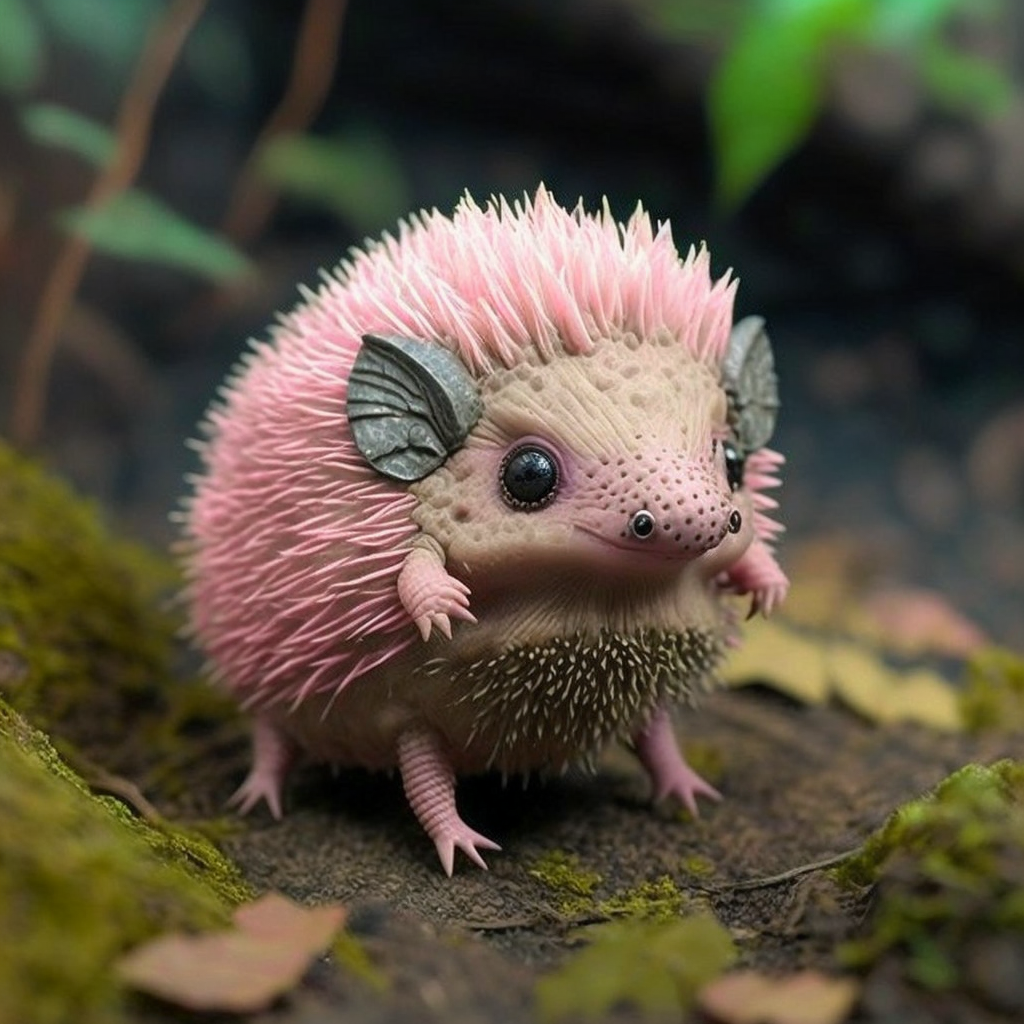
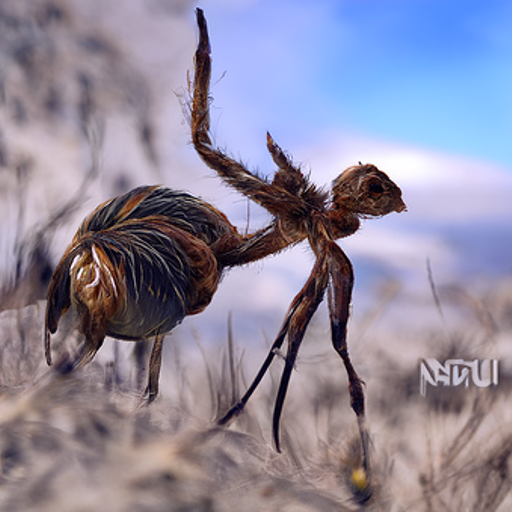
#322 Ungarmel

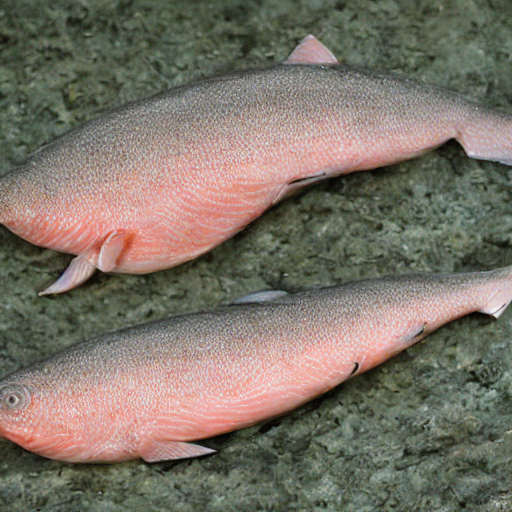
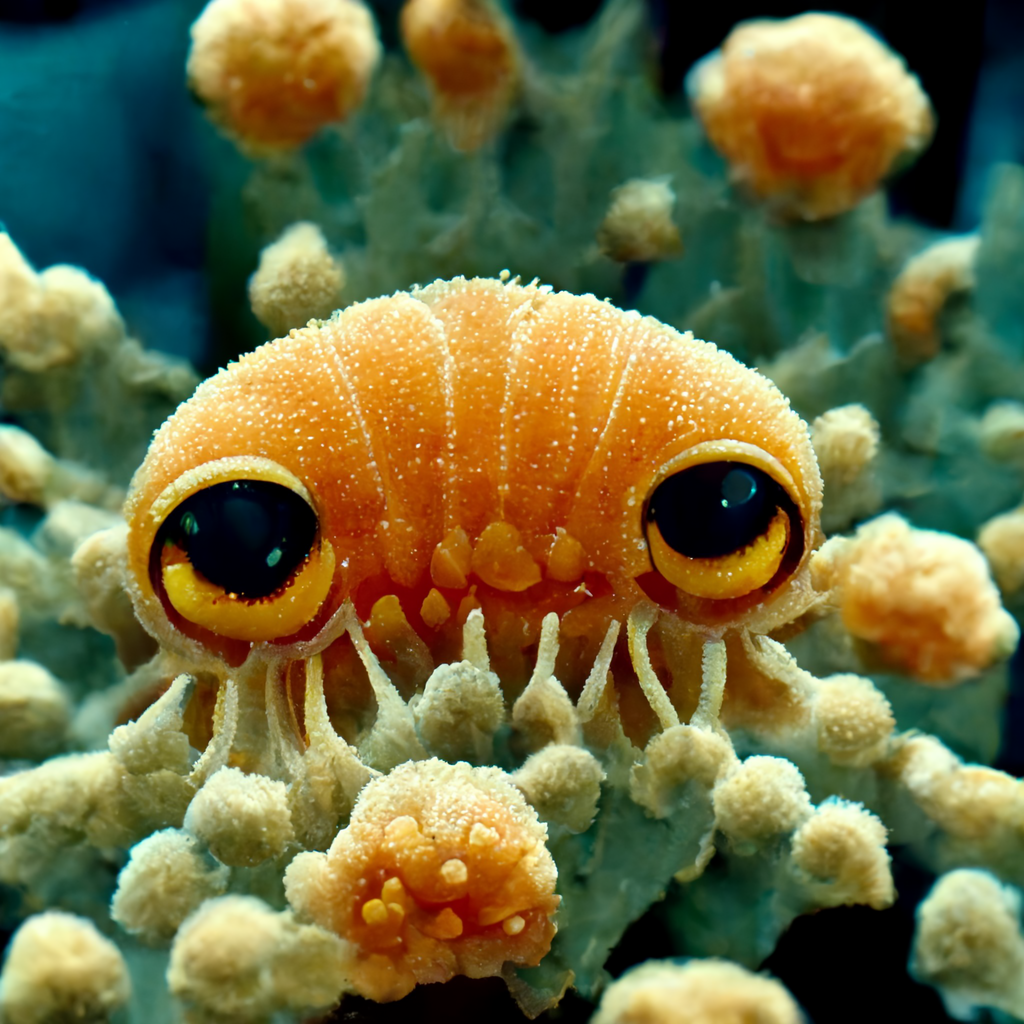
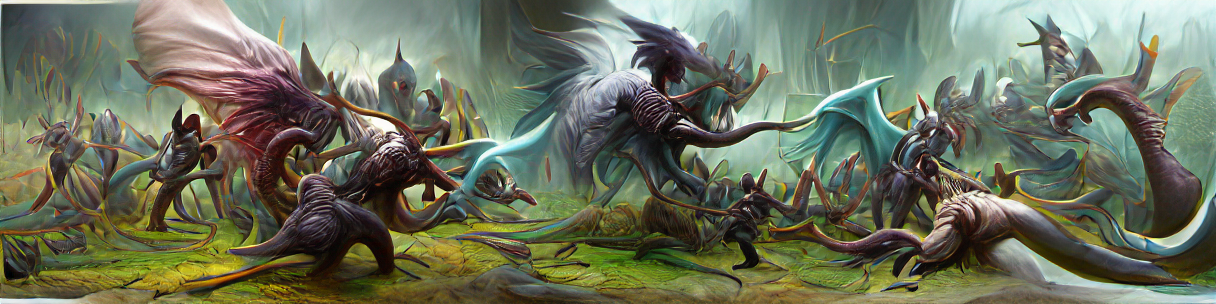
When a creature is near, an ungarmel on the prowl will curl up in a ball and hover above the ground, doing its best to blend in with the environment in order to catch its prey unaware. When the time is right, the ungarmel will attack by releasing the creature inside it that drinks blood. After a successful hunt, the creature returns and eventually shares its spoils from inside the ungarmel.

Found in
Release Date November 14, 2022
Sign up for a free account to claim this creature as your own.

Discover other creatures

Explore an endless universe of ficticious life on NovelGens.
UNCOMMON

#024 Gnawl

Gnawls are a small, nocturnal, mountain-dwelling species that are known for their ability to carve caves into mountains and their distinctive multi-layered teeth. They are also known for their ability to communicate with each other through a serie...

UNCOMMON

#245 Golden Chotlack

The golden chotlack is a small mammal that used to live in the jungles and woodlands of the planet, but has since wholly migrated to caves underground. It is known for its nocturnal habits, its ability to use echolocation, and its ability to weave...

RARE

#135 Lononin

Lononins are strange, trans-dimensional birds that are infamous for their ability to teleport anything they touch into another dimension. With no ears, all lononins are deaf. Younger lononins are usually very skittish and shy, often immediately te...

COMMON

#269 Oceanstar

The oceanstar is a common salt-water marine mollusk. Oceanstars got their name from sailors who could just barely make out twinkling lights beneath the ocean waves in the pitch of night. Oceanstars are herbivores that feed on microplants and detri...

RARE

#294 Qing'chi

Legends of the old qing'chi depict them as peaceful, fast, and incredibly intelligent. Although they were physically disproportioned by most standards, it's widely believed that their large head was the precursor to developing multiple interspecie...

UNCOMMON

#284 Senjfisk

Senjfisk use thousands of microscopic limbs to move sand around them, enabling them to effectively swim through sand and loose dirt. These nocturnal carnivores also undergo a biological stasis while sleeping, which completely stops all but their m...