UNCOMMON

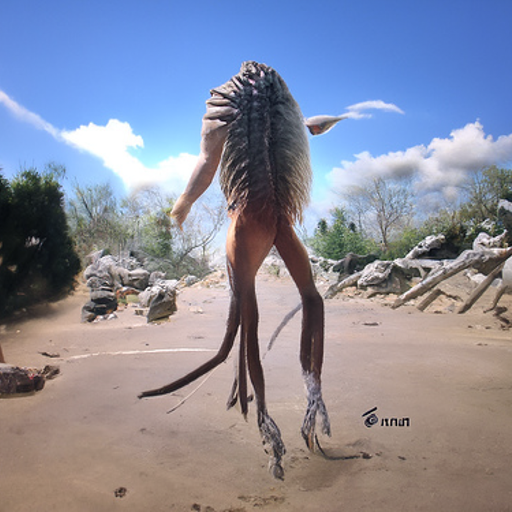
#071 Banjif

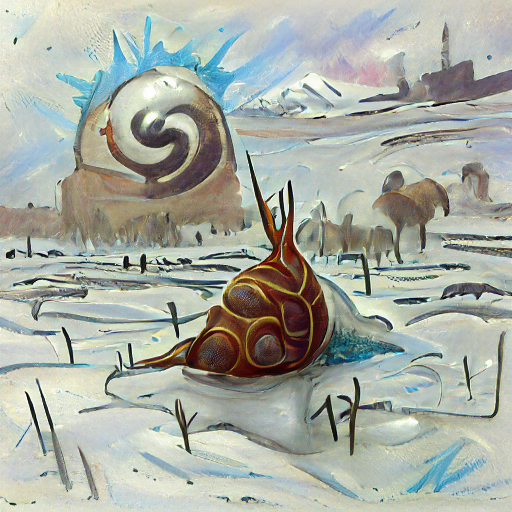
Banjifs spend most of their days rolled up in balls, taking naps in the sunlight. When they're hungry, they use their incredible leg strength to leap into the sky to catch a bird in their mouth. While in ball form, a banjif is protected from most predators by their strong, chitinous shell.

Release Date March 08, 2022
Sign up for a free account to claim this creature as your own.

Discover other creatures

Explore an endless universe of ficticious life on NovelGens.
COMMON

#020 Starbug

Fully-grown starbugs make up the majority of visible lights in the night sky with their planet-sized bodies, but baby starbugs hatch and spend most of their pre-celestial life on abandoned planets until they learn to fly well enough to pierce grav...

COMMON

#129 Axytun

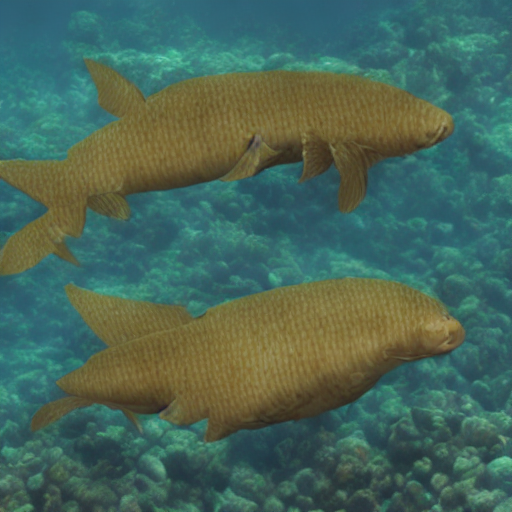
Axytuns are a small species of landfish native to the rolling fields of the east. Although axytuns are naturally pitch black, albinism is so rampant in the species that black axytuns are often captured and resold as expensive pets. They are born i...

UNCOMMON

#131 Phembluf

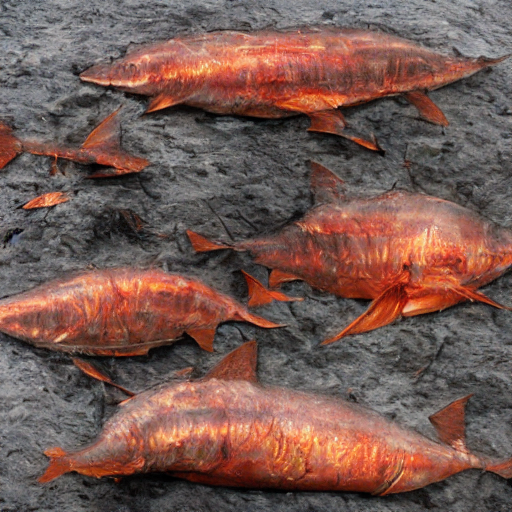
Phemblufs are large, blue fish that live in the deeper, frozen parts of the northern oceans. Phemblufs average two to three feet long and have a long black, snout with a mouth full of razor-sharp teeth that can drill through ice with ease. Phemblu...

COMMON

#269 Oceanstar

The oceanstar is a common salt-water marine mollusk. Oceanstars got their name from sailors who could just barely make out twinkling lights beneath the ocean waves in the pitch of night. Oceanstars are herbivores that feed on microplants and detri...

COMMON

#175 Nemmen

Nemmen are small, purple fish that frequent reefy areas and the deep sea, but are also commonly caught to resell as consumer pets. They are soft to the touch and like to be pet by their owners, unlike most other fish. When nemmen are happy, they b...

COMMON

#307 Kubup

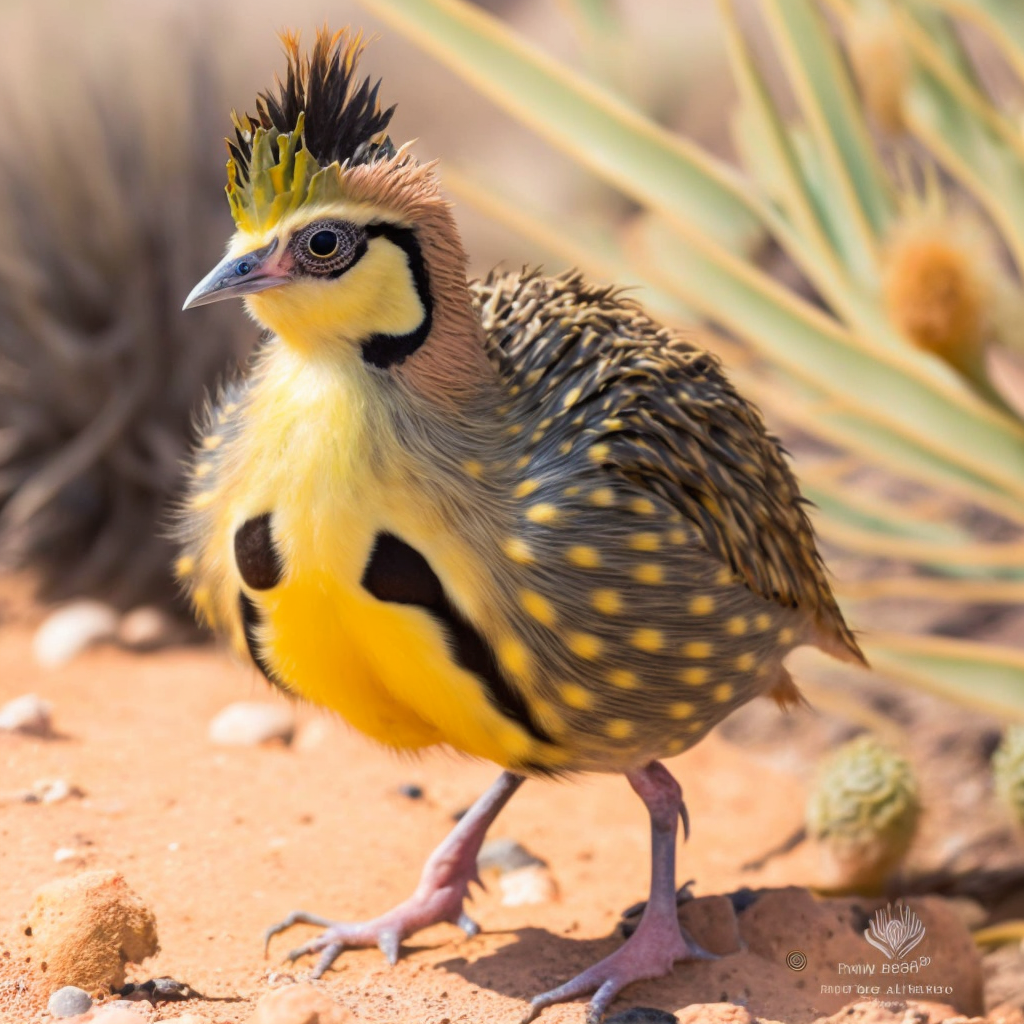
Kubups are brightly-colored arboreal creatures that can jump up to 100 feet high. They are an important part of forest ecosystems, as they feed on dead tree leaves and recycle them into nutrients for the trees. They typically climb to the very top...