COMMON

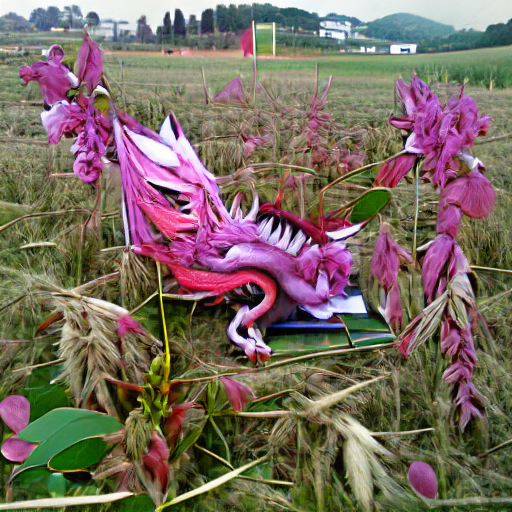
#051 Akaru

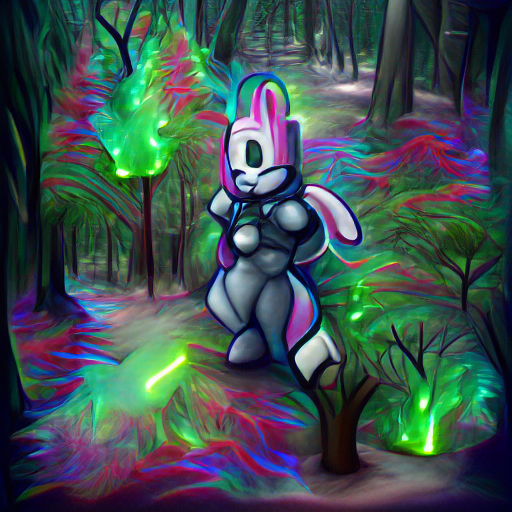
Akaru are a small, domesticated breed of dragons originally popularized by farmers in the east. Fully grown, most akarun won't even reach your knees. They're bred for vivid colors and make great pets who love to fly around and bring their owner back small trinkets.

Release Date February 16, 2022
Sign up for a free account to claim this creature as your own.

Discover other creatures

Explore an endless universe of ficticious life on NovelGens.
COMMON

#111 Quernug

The quernug is a strange creature that resembles a sheep. They stand about 2ft tall and are covered in purple, matted wool, have a frog-like mouth, and have two horns on the sides of their head. Quernugs make a strange barking sound and will hop a...

UNCOMMON

#153 Oskurgi

Oskurgis are frog-like creatures that make their homes in the nutrient-rich mud piles found in the swampy forests of the world. Since their skin has a weak, porous texture and is very sensitive to sunlight, oskurgis prefer to remain inside large s...

COMMON

#244 Angelsilk

The angelsilk jellyfish floats through the air on a cloth-like fabric made of the protein chains they produce for skin. Angelsilk are also known as ballgown angels to those who live near enough to the coast to see them. It is not uncommon for thes...

COMMON

#215 Zemyl

The zemyl is a small and brightly colored mammal that lives in mountain ranges. It has a penchant for collecting rocks, prefers to eat a diet of flowers and insects, and is capable of traveling at great speeds by rolling down hills. If you ever en...

COMMON

#300 Orimpa

Orimpas are small and fluffy creatures that resemble a cross between a squirrel and a small cat. They have large ears and a long, bushy tail, and their bodies are covered in soft, gray fur. Some regional variations also develop white or orange spo...

COMMON

#307 Kubup

Kubups are brightly-colored arboreal creatures that can jump up to 100 feet high. They are an important part of forest ecosystems, as they feed on dead tree leaves and recycle them into nutrients for the trees. They typically climb to the very top...