COMMON

#122 Cerdathif

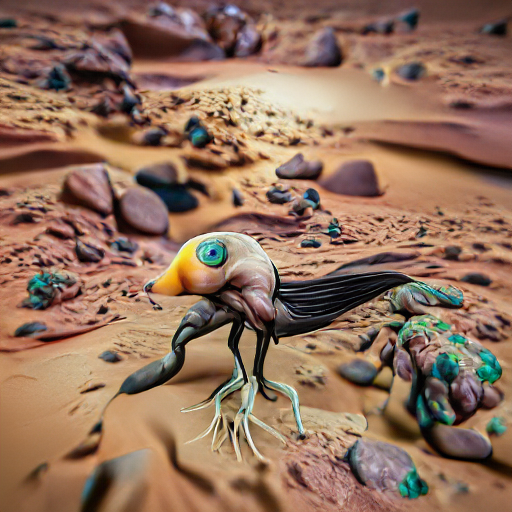
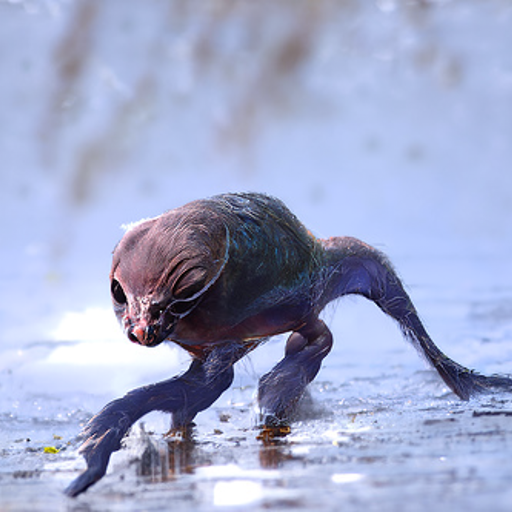
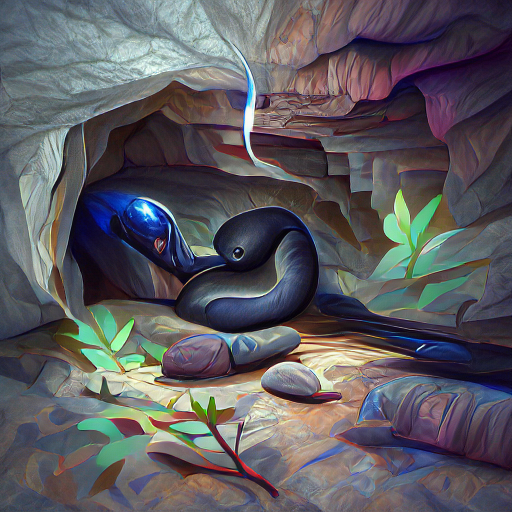
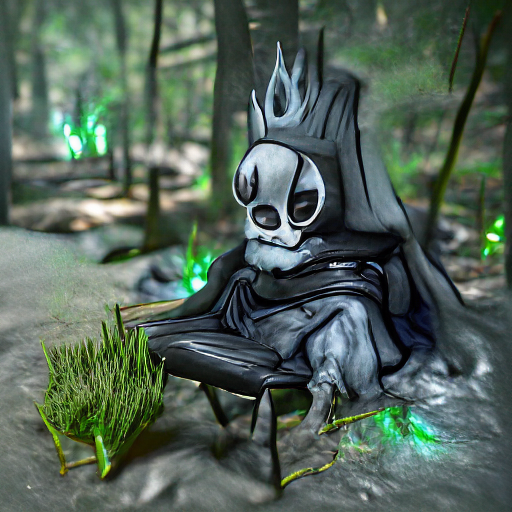
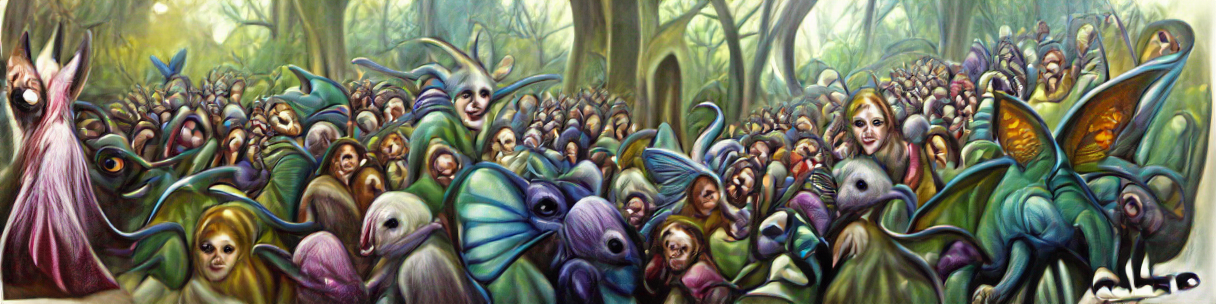
Cerdathifs are a colorful variant of cerdath that typically live near the base of tall mountains. They make nests with collections of hand-picked rocks and spend most of their time meditating on the nature of the universe. Their bodies are covered in a thick layer of orange fur, which protects them from the cold. They are not hostile towards other races and do not engage in violence, prefering instead to forage or go hungry.

Tags
Release Date April 28, 2022
Sign up for a free account to claim this creature as your own.

Discover other creatures

Explore an endless universe of ficticious life on NovelGens.
COMMON

#060 Brugnul

Brugnuls are microscopic parasites that can be found in most environments. They are commonly found in the bodies of other creatures, but can also be found on the ground, in water, and in the air. They are extremely hard to detect, and can be diffi...

RARE

#107 Vlaughd

Vlaughd are demonic-looking, bat-winged desert creatures. They have extremely long prehensile tongues and their saliva is acidic enough to corrode metal. They have razor-sharp teeth and large, blood-red eyes. They are highly carnivorous and will a...

COMMON

#111 Quernug

The quernug is a strange creature that resembles a sheep. They stand about 2ft tall and are covered in purple, matted wool, have a frog-like mouth, and have two horns on the sides of their head. Quernugs make a strange barking sound and will hop a...

RARE

#109 Swox Majora

The swox majora is an exotic variant of the common swox moth that grows several magnitudes larger than their minora cousins. Swox majora have unwieldy, feathery wings that are heavy with the pearlescent pigments they use to attact mates. Any time ...

RARE

#083 Weretree

When a werebeing sheds blood into groundwater, in some rare cases a nearby tree may absorb it and transform into a weretree. After around six weeks of transformation time, the weretree's bark feels rubbery; the branches grow large, meaty muscles; ...

UNIQUE

#374 Panileaf

A rare incubating leaf. When hatched, it's roots suck up all the nutrients in the soil and destroys the plants around it. These plants hatch a hundred years after they are taken out of their mother plant. The size of the leaves depends on how fa...