UNCOMMON

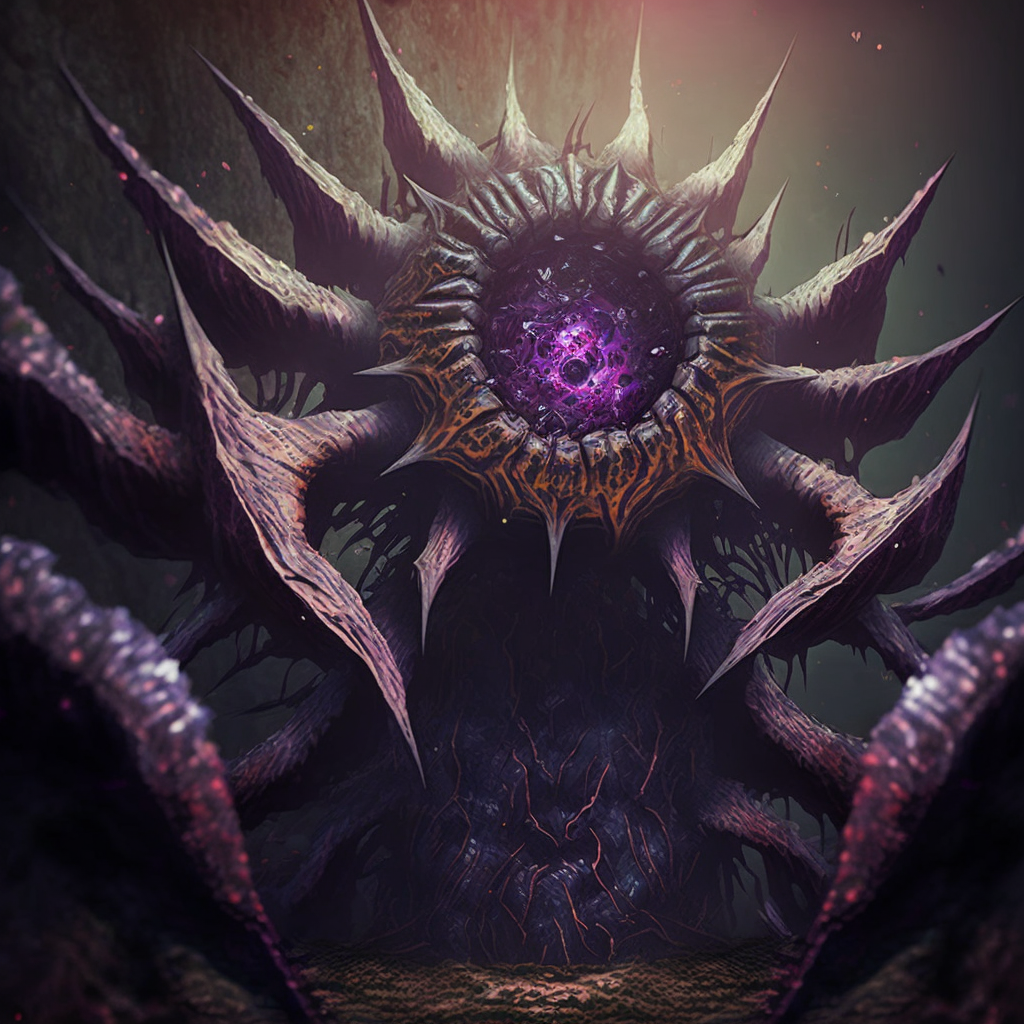
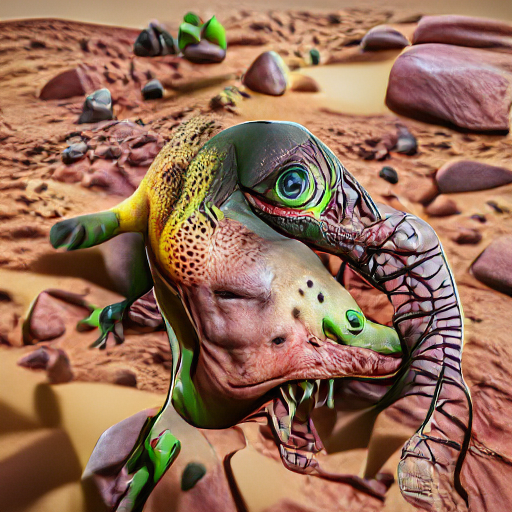
#074 Angrenif

Angrenifs are shapeless blobs of living matter that can be found in the deserts of the world. They are extremely resilient and can survive for years without water or food, instead drawing their energy from the heat of the desert. When an angrenif is in direct sunlight, it will begin to move faster and morph to grow larger; but when it is in the shade, it will slow down and begin to shrink. Their typical lifespan is about one hundred years.

Found in
Tags
Release Date March 11, 2022
Sign up for a free account to claim this creature as your own.

Discover other creatures

Explore an endless universe of ficticious life on NovelGens.
UNCOMMON

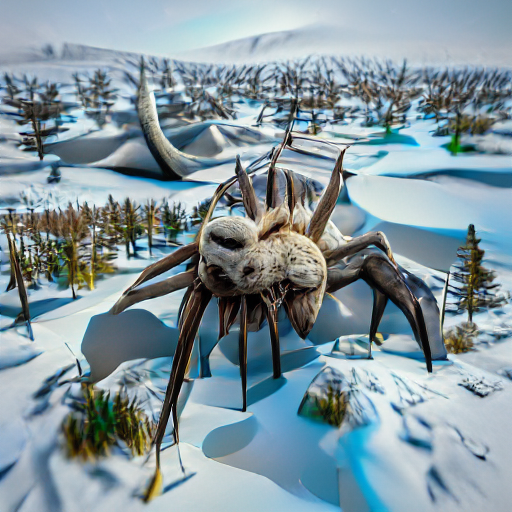
#007 Merm

Merms live in small groups, typically in the deepest reaches of the western oceans. They seem closely related to a potential aquatic fork of human evolution, but scientists haven't yet developed a way to communicate with them.

COMMON

#173 Alu'fiku

Alu'fiku are reef-dwelling fish most notable for their false "dorsal eye", which remains open while they sleep to help deter smaller predators. This is particularly helpful for alu'fiku because they sleep in open waters, coasting forward as if swi...

COMMON

#280 Kora

The kora are an aquatic species of intelligent coral common in warmer ocean climates that have historically been an enabler of oceanic human societies in areas they couldn't otherwise exist. Although kora harden into a stony toughness after death ...

UNCOMMON

#254 Boolic

Boolics are placid snail-like creatures that spend most of their days crawling in circles through the grass, slowly grazing and depositing their helmet-like shells in a community pile as they grow. In the night they retreat into their shells and b...

COMMON

#255 Squirmpod

Squirmpods are large, plant-like life forms often found in or around the greater rainforest regions. They are about the size of a small human and appear like a giant tree sprout, with a gray-brown trunk and a dark green, leaf-like canopy sprouting...

RARE

#322 Ungarmel

When a creature is near, an ungarmel on the prowl will curl up in a ball and hover above the ground, doing its best to blend in with the environment in order to catch its prey unaware. When the time is right, the ungarmel will attack by releasing ...