UNCOMMON

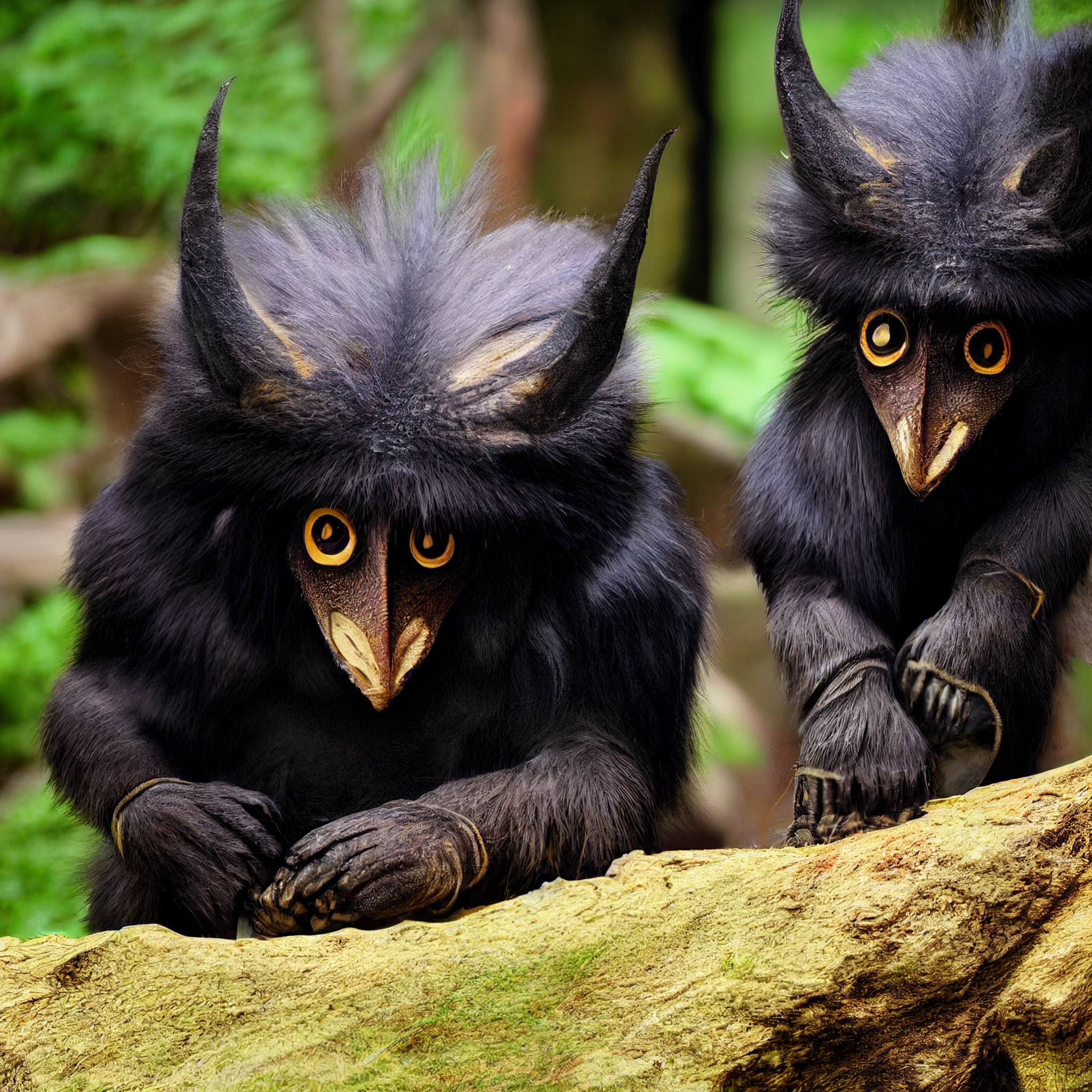
#298 Goryth

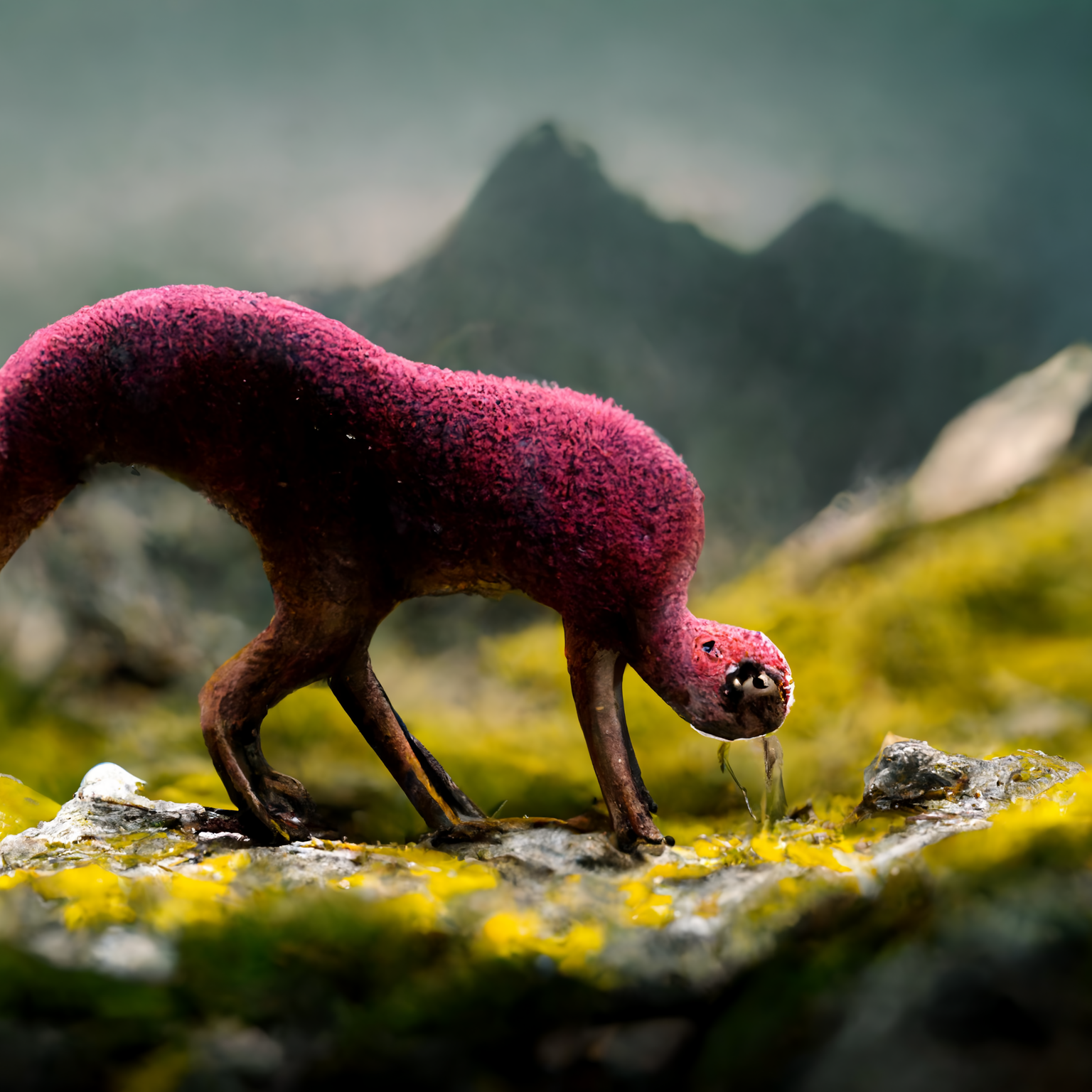
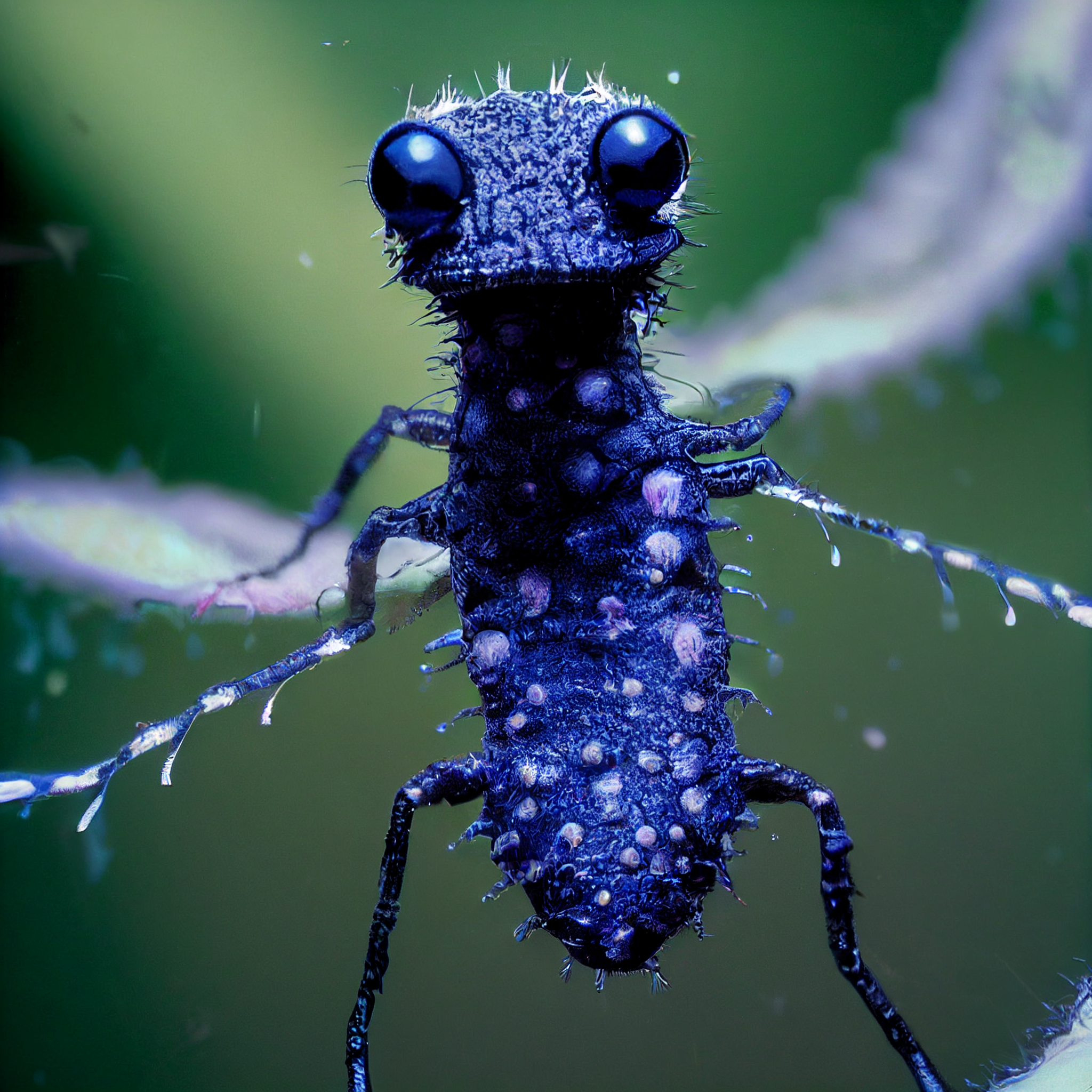
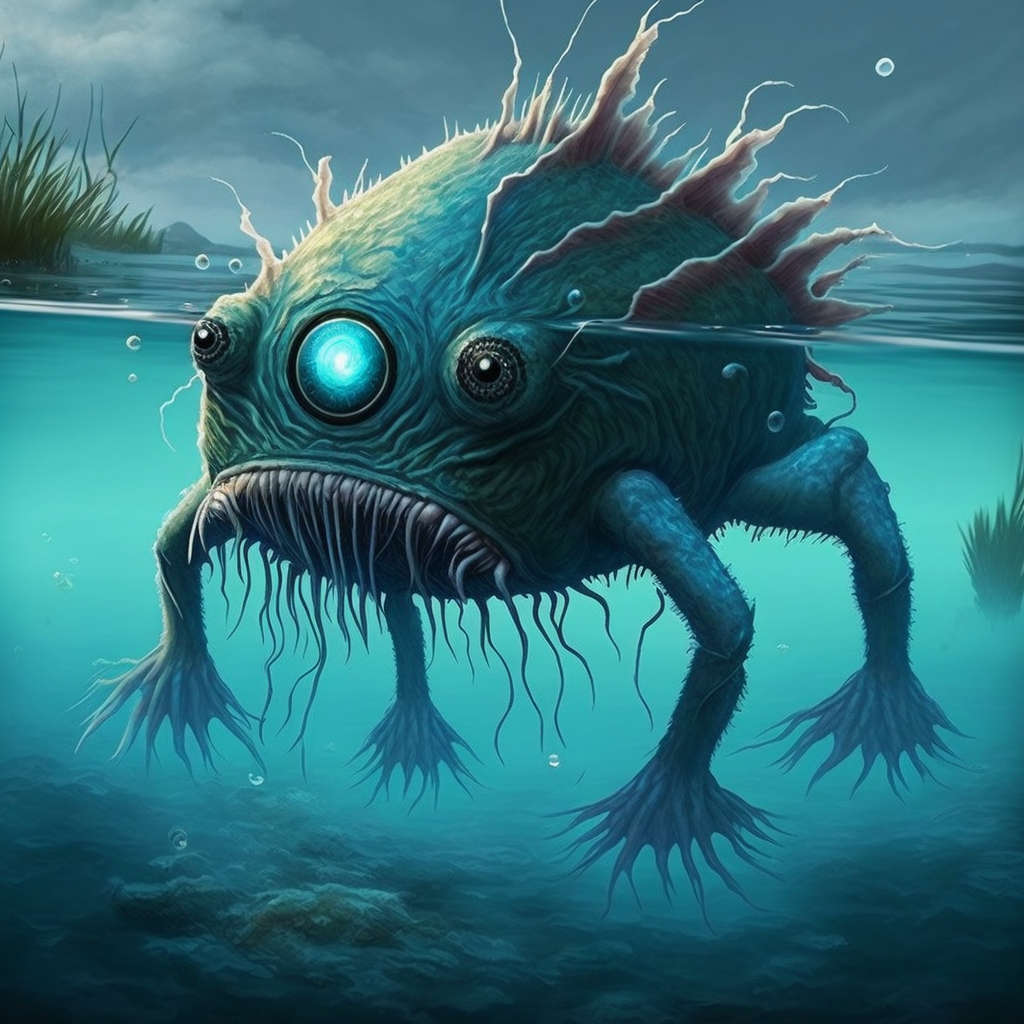
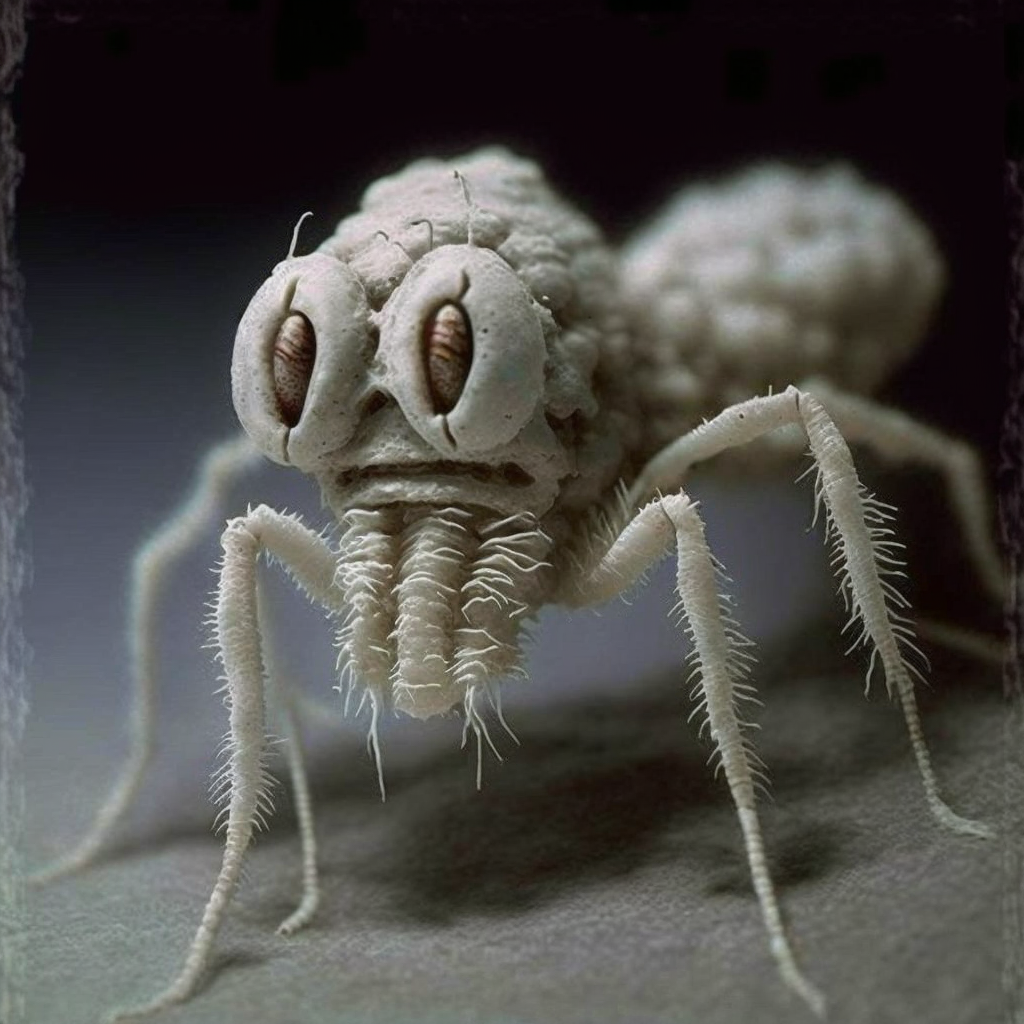
Goryths are a species of omnivorous humanoids native to the world's greenest mountains. Their bodies are covered in black or dark brown fur and their feet are large and splayed, making them excellent at climbing and jumping. Their heads are large, with a pair of yellow eyes, a small, flat nose, and no mouth. They have long, prehensile tails with which they grab onto branches and climb trees.

Release Date October 21, 2022
Sign up for a free account to claim this creature as your own.

Discover other creatures

Explore an endless universe of ficticious life on NovelGens.
COMMON

#013 Emerid

Emerids are social, friendly birds that travel long distances through deserts, trying to make friends with lonely travelers and larger animals. They've been known to sing loud songs on hot nights, with nearby emerids all singing the same song. Tho...

RARE

#058 Forrest

Forrests are ghostly entities that inhabit jungles and forests. They are largely transclucent and intangible, typically only able to affect the world through moving wind. In the foggiest nights, a forrest can be seen with the naked eye. Locals oft...

COMMON

#070 Cycti

Cycti are an artificial race created by infusing gorilla DNA in a spliced cactus-bramble plant that evolved sentience and intelligence only a year after inception. Now, they roam the deserts with armies of sub-humans blindly following their vast i...

COMMON

#167 Telusiv

The telusiv is a predatory creature that often lives in the desert, but has been spotted in many other environments. Telusivs have a long, snake-like body and, although they spend most of their life on the ground, they are able to briefly swim thr...

UNCOMMON

#171 Horsnau

These radioactive snails descend from the common snail but have mutated to grow branching, interconnected shells around long, eel-like bodies. Horsnaus typically live 20-25 years and then die in their shell, which is often too intricate to be reus...

UNCOMMON

#284 Senjfisk

Senjfisk use thousands of microscopic limbs to move sand around them, enabling them to effectively swim through sand and loose dirt. These nocturnal carnivores also undergo a biological stasis while sleeping, which completely stops all but their m...