COMMON

#351 Volly

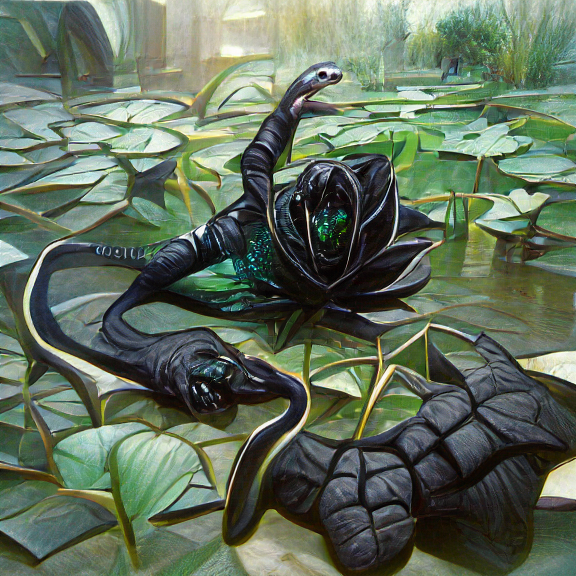
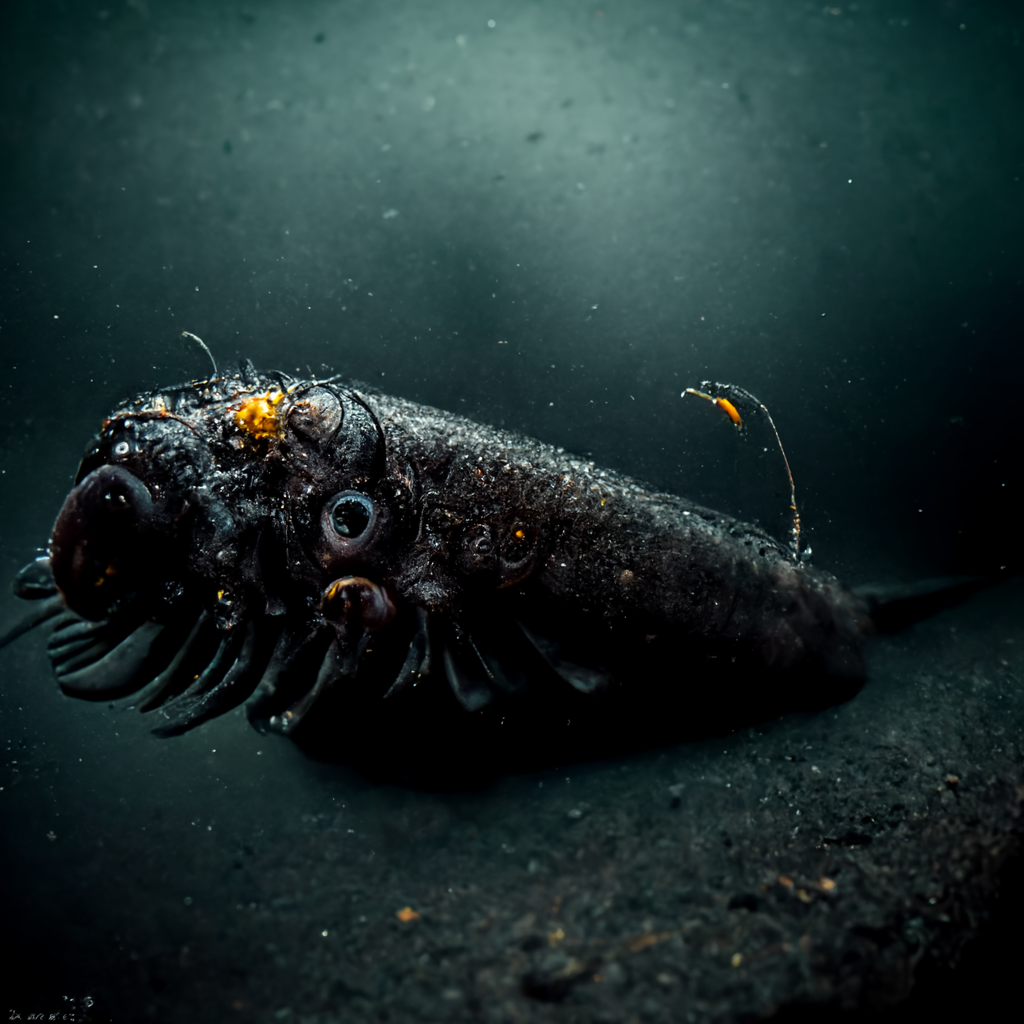
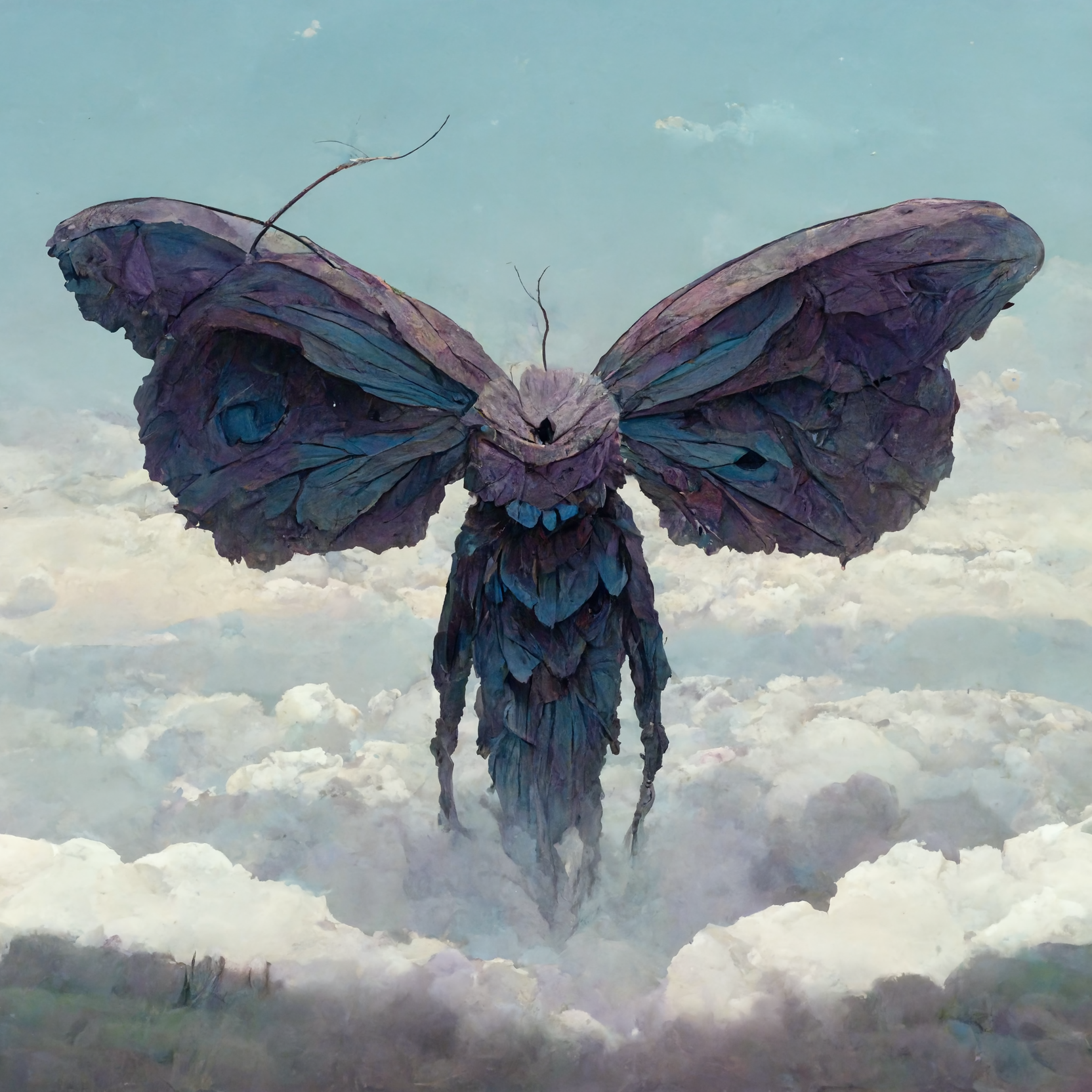
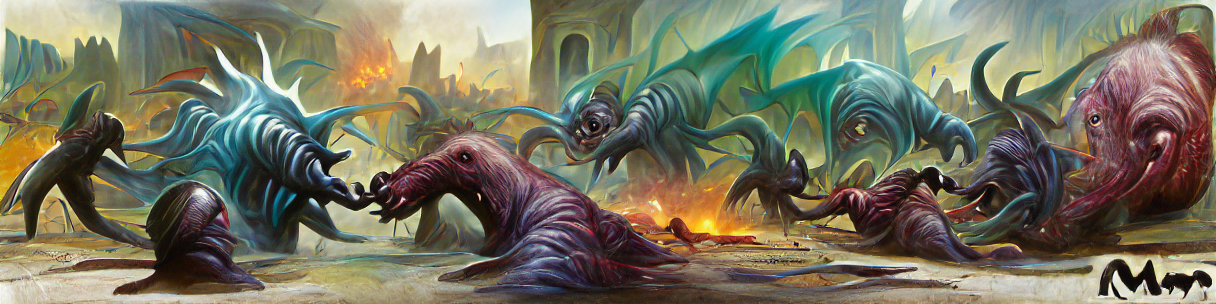
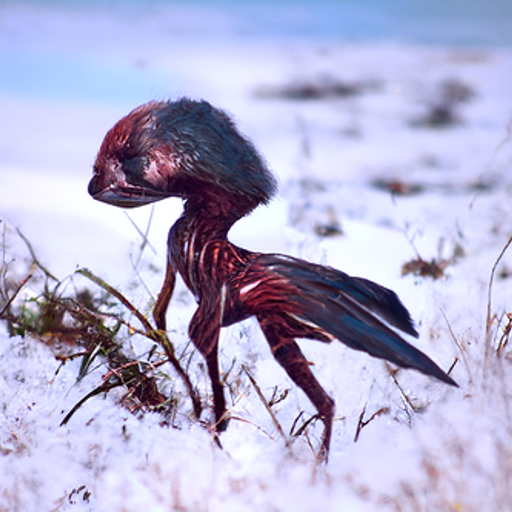
Volly are sturdy, four-legged mammals that live on lush mountaintops, peacefully grazing on grass, flowers, and small mushrooms. Centuries ago, volly were almost entirely domesticated and bred for their restorative tears; over time, however, the human race built up a resistance to the healing effects offered by volly tears. Eventually, the last domesticated volly were released back into the wild, where they seemingly all migrated to the highest altitudes to live in isolation among small familial groups. It is generally believed that the volly have evolved over time to retain their natural healing abilities, but only for use on other volly and not for the benefit of other species.

Found in
Release Date December 13, 2022
Sign up for a free account to claim this creature as your own.

Discover other creatures

Explore an endless universe of ficticious life on NovelGens.
RARE

#052 D'Geft

D'geft are stone elementals that pass freely through mountains and stone, living solitary lives. Catching a d'geft binds his will to yours, enabling the binding one to control that d'geft's powers as if they were your own. When d'geft die, their s...

COMMON

#104 Ayri

Ayris are large, green worms that live near shallow waters. They can grow to be up to ten feet long and weigh up to four hundred pounds. They have a mouth with a large tongue in the middle of their head, which they use to feed on small fish, crabs...

COMMON

#129 Axytun

Axytuns are a small species of landfish native to the rolling fields of the east. Although axytuns are naturally pitch black, albinism is so rampant in the species that black axytuns are often captured and resold as expensive pets. They are born i...

UNCOMMON

#079 Skrayll

Most Skraylls live in the darkest forests, eating shrubs and rodents, although those that live a long time often grow larger and larger. Skrayll bones are made of a soft, rubbery substance that allows them to change over time depending on use, not...

COMMON

#088 Fustonin

Fustonins are small, blue birds that live near active volcanoes. They are extremely light and can fly at speeds of up to 300 mph. They have no beaks and instead use the hard, pointed end of their shoulder to peck at the sides of a volcano and pry ...

RARE

#160 Mechacrab

Mechacrabs were ironically given their name after a sarcastic explorer discovered the species in an underground cave on a spiritual voyage deep in the far east. Mechacrabs have detachable legs and hard, modular shells that they can reconfigure and...