COMMON

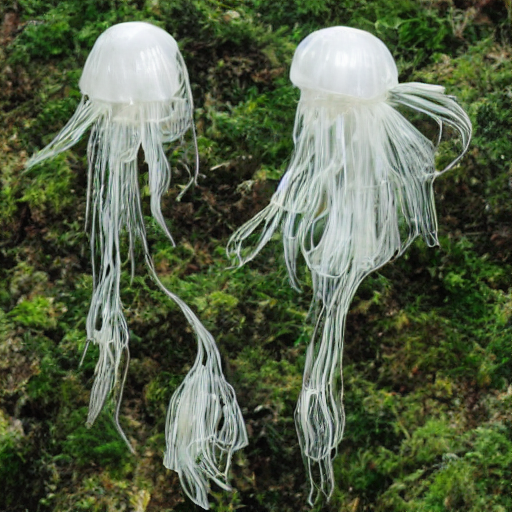
#244 Angelsilk

The angelsilk jellyfish floats through the air on a cloth-like fabric made of the protein chains they produce for skin. Angelsilk are also known as ballgown angels to those who live near enough to the coast to see them. It is not uncommon for these jellyfish to grow long, elegant strips of material that float elegantly through the water as they move, sometimes reaching five or six feet long. These jellyfish do not sting.

Release Date August 28, 2022
Sign up for a free account to claim this creature as your own.

Discover other creatures

Explore an endless universe of ficticious life on NovelGens.
UNCOMMON

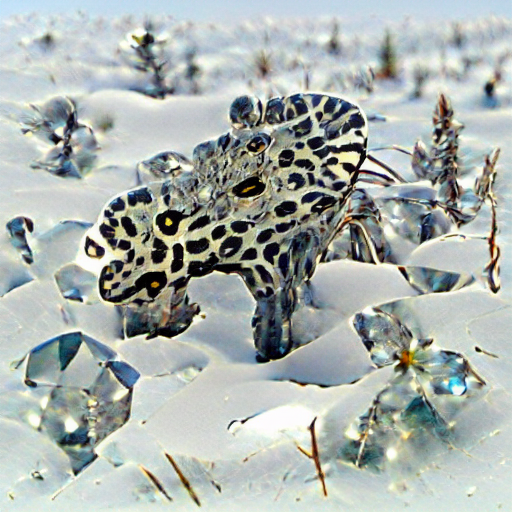
#170 Hevvet

Hevvets are intelligent, house-sized horse-like creatures that frequent the snowy tundras and far north. Hevvets were historically unfriendly creatures—aggressively attacking anyone near their homogenous cities—until a large war broke out in the r...

COMMON

#064 Ytrail

Ytrail are large snail-like creatures found in frozen areas. Their shell is an immaculate conductor of heat, which keeps their body warm on even the coldest days. Domesticated ytrails are often ridden by small children to get to and from school an...

COMMON

#361 Aparilla

Aparilla are small, translucent invertebrates from the sea, best known for the soft glow they emit on dark nights. Although they are quite tiny, only growing to about the size of a thumb, they pack quite a punch when it comes to their defense mech...

COMMON

#235 Worgant

Worgants are a species of small were-ants that live in packs in the northern forests. They have a symbiotic relationship with the betzkra woodpeckers, who make holes in the bark of trees to get at grubs and other insects, which worgants then turn ...

UNCOMMON

#334 Xolgar

Xolgars are giant birds native to tropical islands. When they hunt, they will pick up a strip of bark from a tree and carry it in their beaks, which they then use to create a makeshift hardnet to trap fish in the water. Once a fish has been caught...

UNIQUE

#374 Panileaf

A rare incubating leaf. When hatched, it's roots suck up all the nutrients in the soil and destroys the plants around it. These plants hatch a hundred years after they are taken out of their mother plant. The size of the leaves depends on how fa...