COMMON

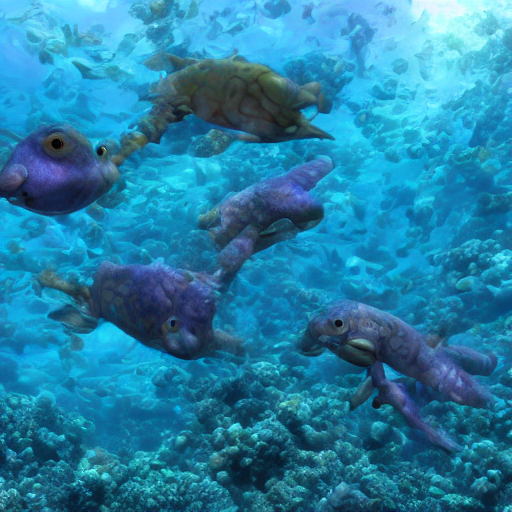
#175 Nemmen

Nemmen are small, purple fish that frequent reefy areas and the deep sea, but are also commonly caught to resell as consumer pets. They are soft to the touch and like to be pet by their owners, unlike most other fish. When nemmen are happy, they blow small bubbles that they play with, often swimming circles around each bubble. Most nemmen live two or three years.

Found in
Release Date June 20, 2022
Sign up for a free account to claim this creature as your own.

Discover other creatures

Explore an endless universe of ficticious life on NovelGens.

UNCOMMON

#002 Quixole

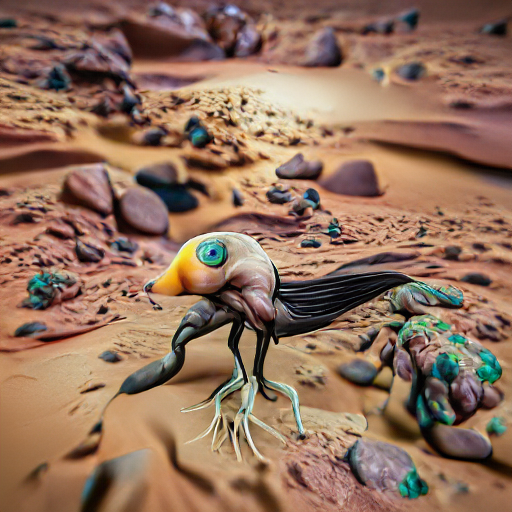
This highly-intelligent bug establishes and oversees mutli-special insect colonies using a pheromone that encourages teamwork. Large sales of their serum are government-controlled and extremely expensive, but large cities typically keep at least a...

COMMON

#116 Nitenel

Nitenel are large, gentle creatures when domesticated. They have four heads, six folding wings, and a long, whip-like tail. They have no arms. Their eyes are a piercing red that contrasts their blue feathers beautifully; their beaks are small and ...

RARE

#032 Frestnoch

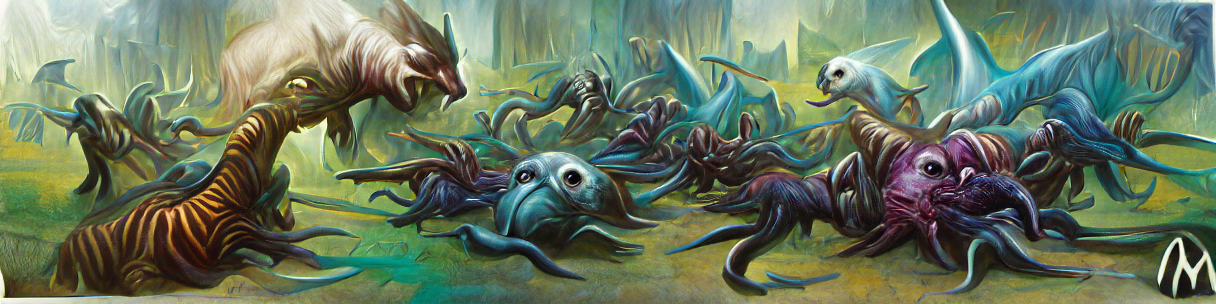
Frestnoches evolved a thick fur across their abdomen to keep them warm in the harsh northern climates and have a varying amount of large, chitinous spikes protruding from their body that they use as tools to survive in the harsh wilderness. They l...

UNCOMMON

#242 Antwij

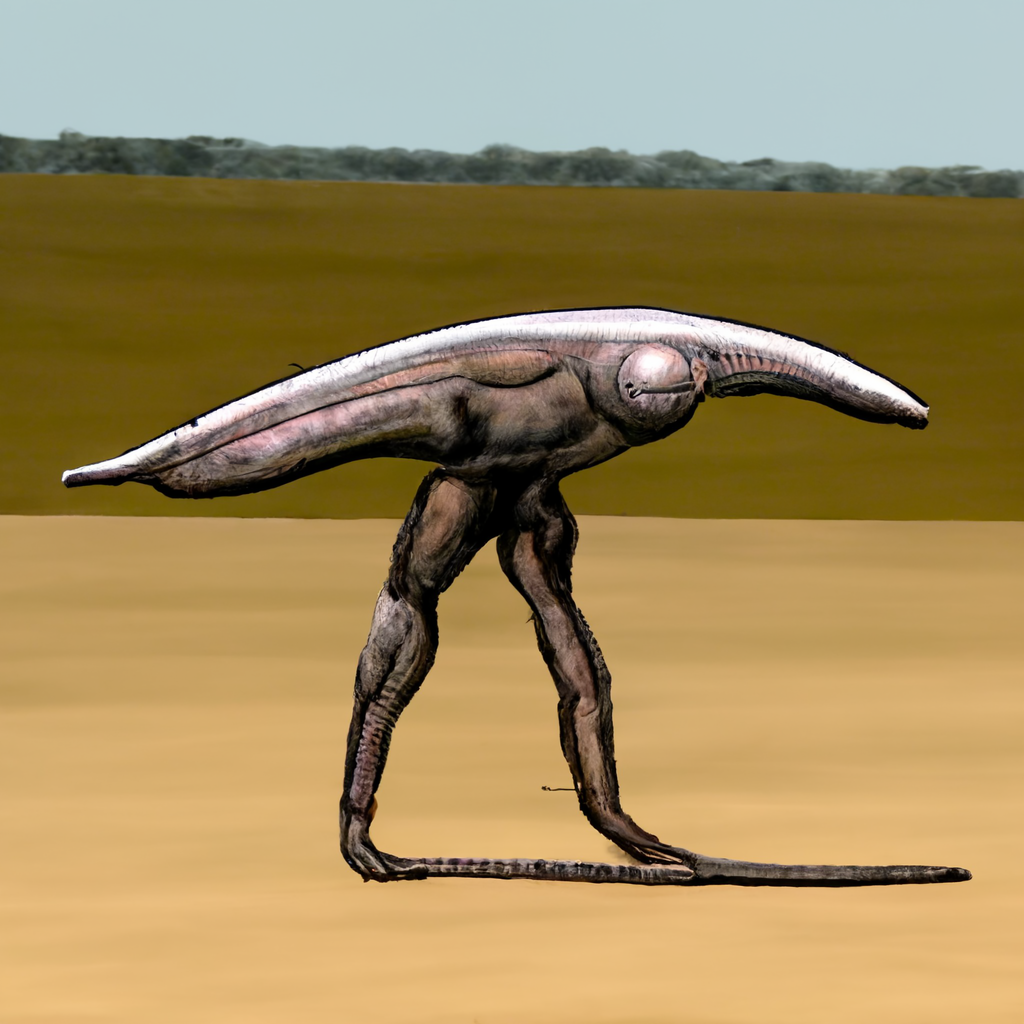
Antwij are a race of small angomites that originate from the southern deserts, but have long since migrated to a wider array of biomes after their homes became uninhabitable. Antwijes don't typically survive very long in the wild, except in the ea...

UNCOMMON

#236 Squeebl

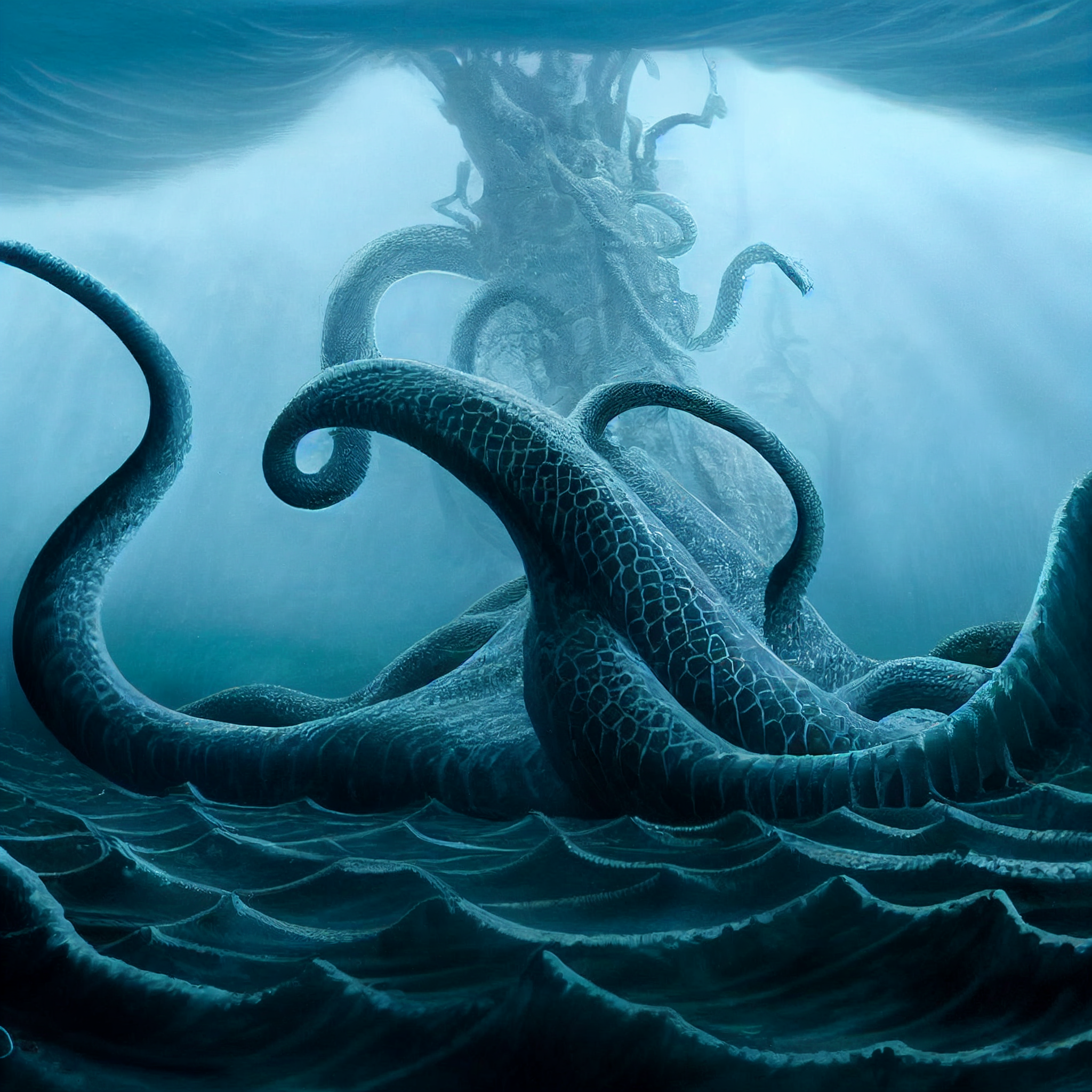
Squeebls were first domesticated at the turn of the last century to be an aquatic pet used to symbolize world adventuring among the upper class, but have since become a popular staple in all kinds of households due to their simple care instruction...

COMMON

#235 Worgant

Worgants are a species of small were-ants that live in packs in the northern forests. They have a symbiotic relationship with the betzkra woodpeckers, who make holes in the bark of trees to get at grubs and other insects, which worgants then turn ...