UNCOMMON

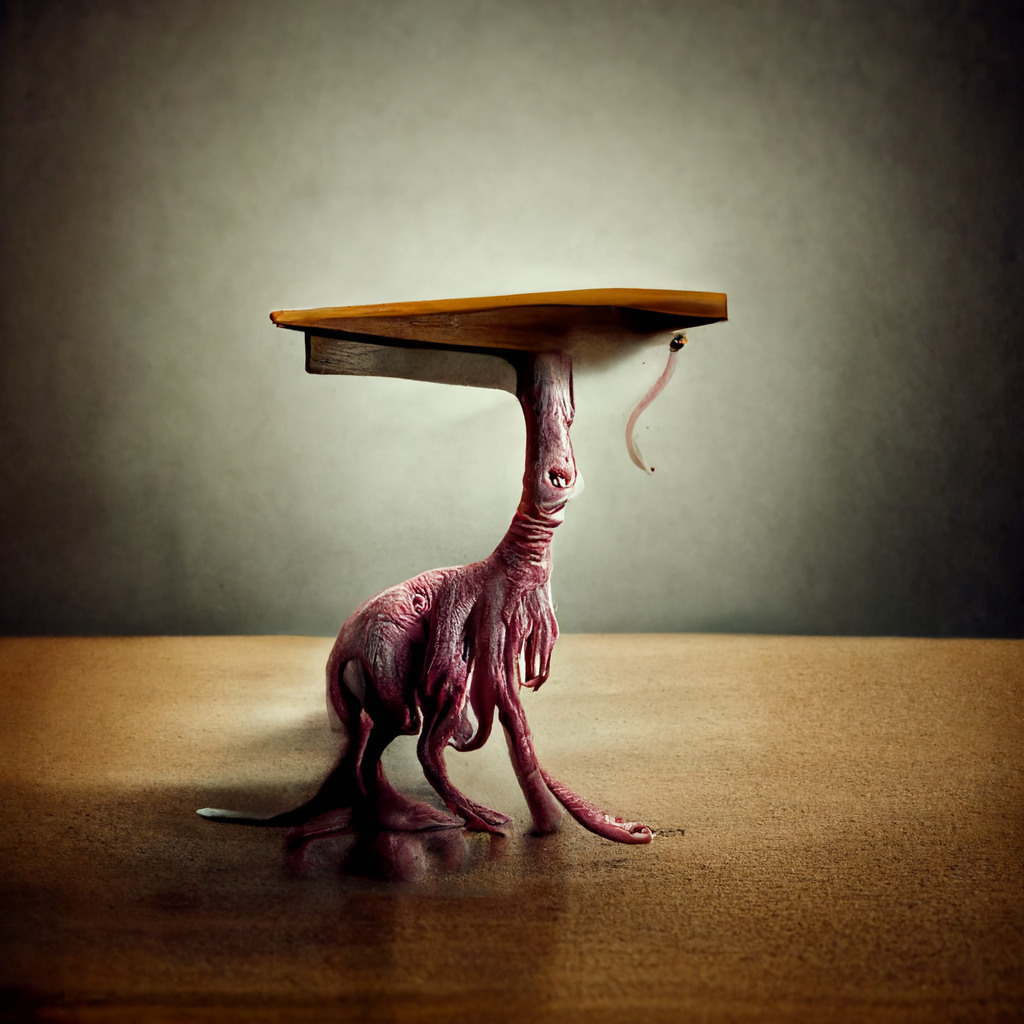
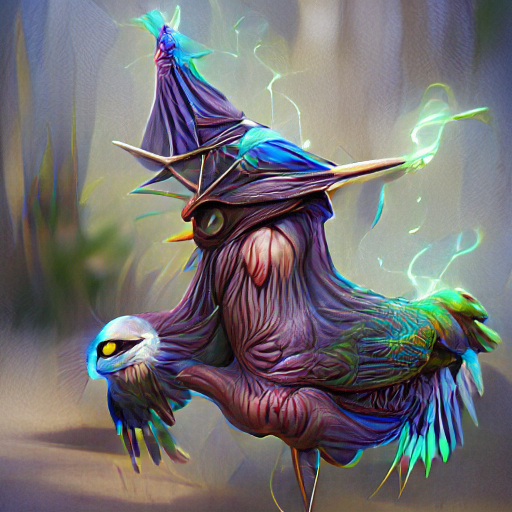
#081 Eieliez

Eieliezen are knee-high, bird-like creatures that are known for their remote eye, which they can often be seen holding but will also leave behind in their nest to watch their young with while they're out hunting or gathering. Not much is known about how an eieliez is able to see from their completely-disconnected eye. It is believed that they are also capable of growing additional eyes over time and simultaneously seeing from multiple eyes at a time.

Tags
Release Date March 18, 2022
Sign up for a free account to claim this creature as your own.

Discover other creatures

Explore an endless universe of ficticious life on NovelGens.

UNCOMMON

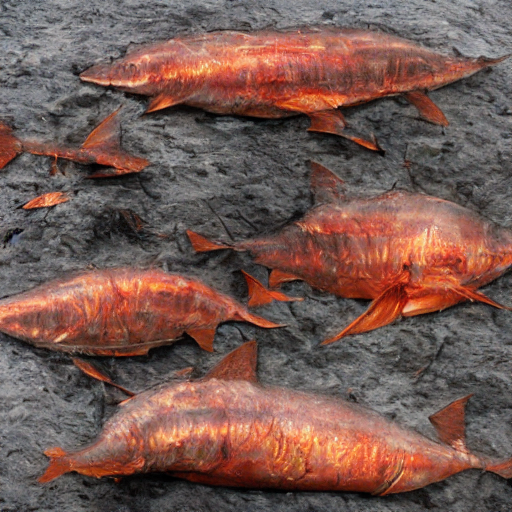
#007 Merm

Merms live in small groups, typically in the deepest reaches of the western oceans. They seem closely related to a potential aquatic fork of human evolution, but scientists haven't yet developed a way to communicate with them.

COMMON

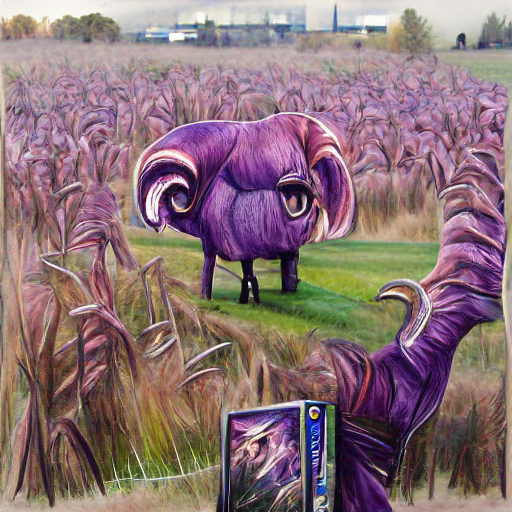
#014 Yogido

Yogidos are eastern mammoth-goat hybrids that can grow to extreme sizes. It's not uncommon for a town to collectively adopt a Yogido, which can provide substantial fur, fuel, and warmth to the town and — in the case of the most well-trained Yogido...

RARE

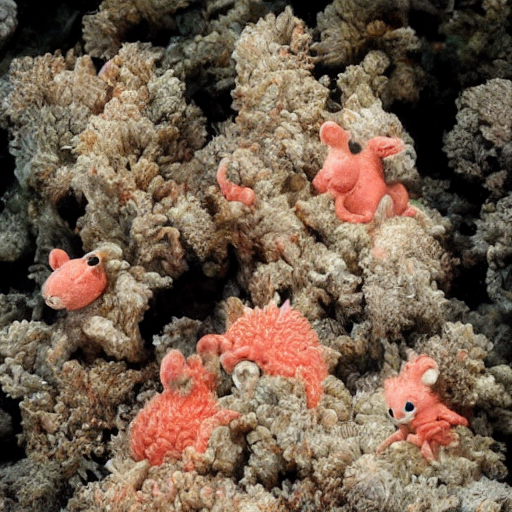
#160 Mechacrab

Mechacrabs were ironically given their name after a sarcastic explorer discovered the species in an underground cave on a spiritual voyage deep in the far east. Mechacrabs have detachable legs and hard, modular shells that they can reconfigure and...

COMMON

#265 Trogurp

Trogurps are small, brightly-colored insects that are typically found in the forests of the world. They eat leaves and other plant matter and are covered in a thick chitinous shell. Male trogurps can be aggressive towards one another and will duel...

UNCOMMON

#362 Fjasdijh

Fjasdijh are slender cat-like creatures who dwell deep in caves and reproduce quickly, sometimes giving birth to litters of up to ten offspring at a time. They are nocturnal, spending their days sleeping in underground burrows and emerging at nigh...

UNIQUE

#374 Panileaf

A rare incubating leaf. When hatched, it's roots suck up all the nutrients in the soil and destroys the plants around it. These plants hatch a hundred years after they are taken out of their mother plant. The size of the leaves depends on how fa...