RARE

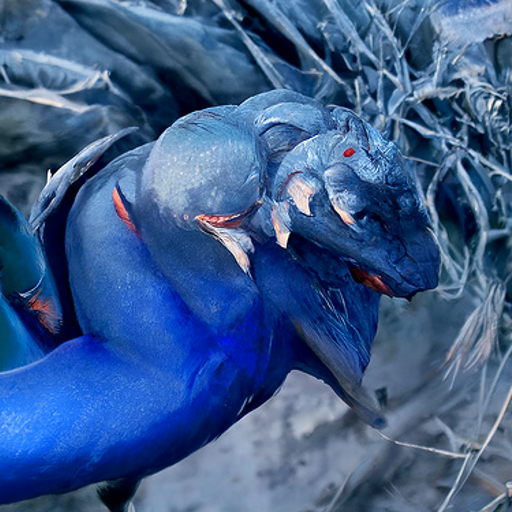
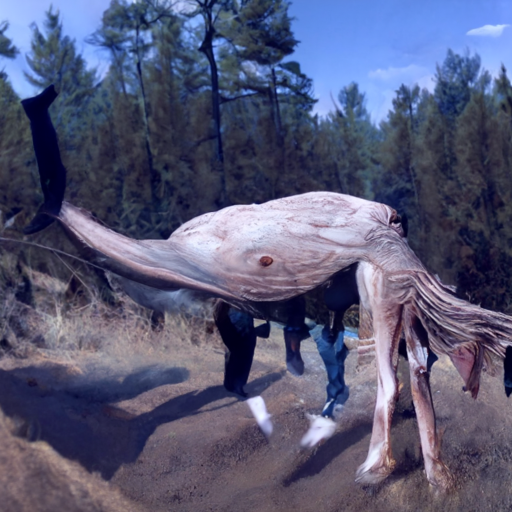
#097 Whalewalker

These hulking creatures once dominated the long-lost oceans. As the heat wave intensified and oceans began to evaporate, the first whalewalker ancestors adapted their way onto land. Whalewalkers lay down and open their gigantic mouth, then remain still for days at a time to lure in bugs and other small animals before chomping down for a calorie-packed bite. They live lonely, frequently-migrating lives.

Release Date April 03, 2022
Sign up for a free account to claim this creature as your own.

Discover other creatures

Explore an endless universe of ficticious life on NovelGens.
COMMON

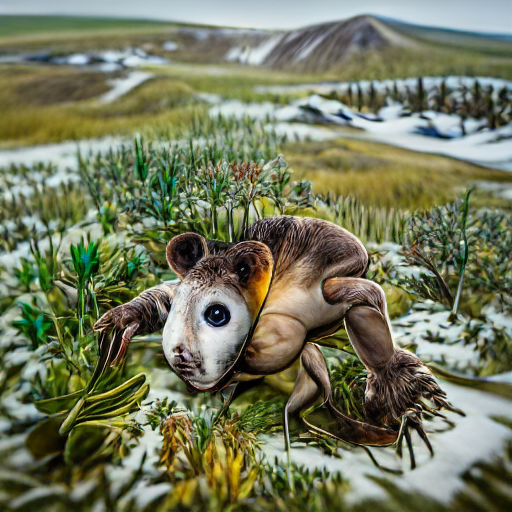
#129 Axytun

Axytuns are a small species of landfish native to the rolling fields of the east. Although axytuns are naturally pitch black, albinism is so rampant in the species that black axytuns are often captured and resold as expensive pets. They are born i...

RARE

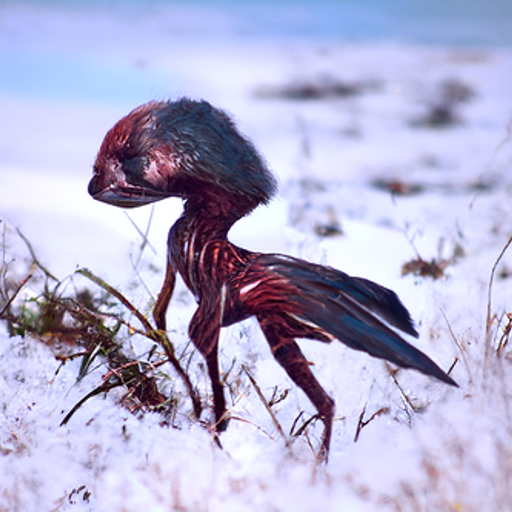
#135 Lononin

Lononins are strange, trans-dimensional birds that are infamous for their ability to teleport anything they touch into another dimension. With no ears, all lononins are deaf. Younger lononins are usually very skittish and shy, often immediately te...

COMMON

#066 Stonemaker

Stonemakers inhabit deserts, fields, and mountains. They feed largely off rock and stone, always migrating to find new flavors and consistencies. Venom injected through a stonemaker bite will also turn most organic matter into a hardened stone wit...

COMMON

#215 Zemyl

The zemyl is a small and brightly colored mammal that lives in mountain ranges. It has a penchant for collecting rocks, prefers to eat a diet of flowers and insects, and is capable of traveling at great speeds by rolling down hills. If you ever en...

COMMON

#255 Squirmpod

Squirmpods are large, plant-like life forms often found in or around the greater rainforest regions. They are about the size of a small human and appear like a giant tree sprout, with a gray-brown trunk and a dark green, leaf-like canopy sprouting...

UNCOMMON

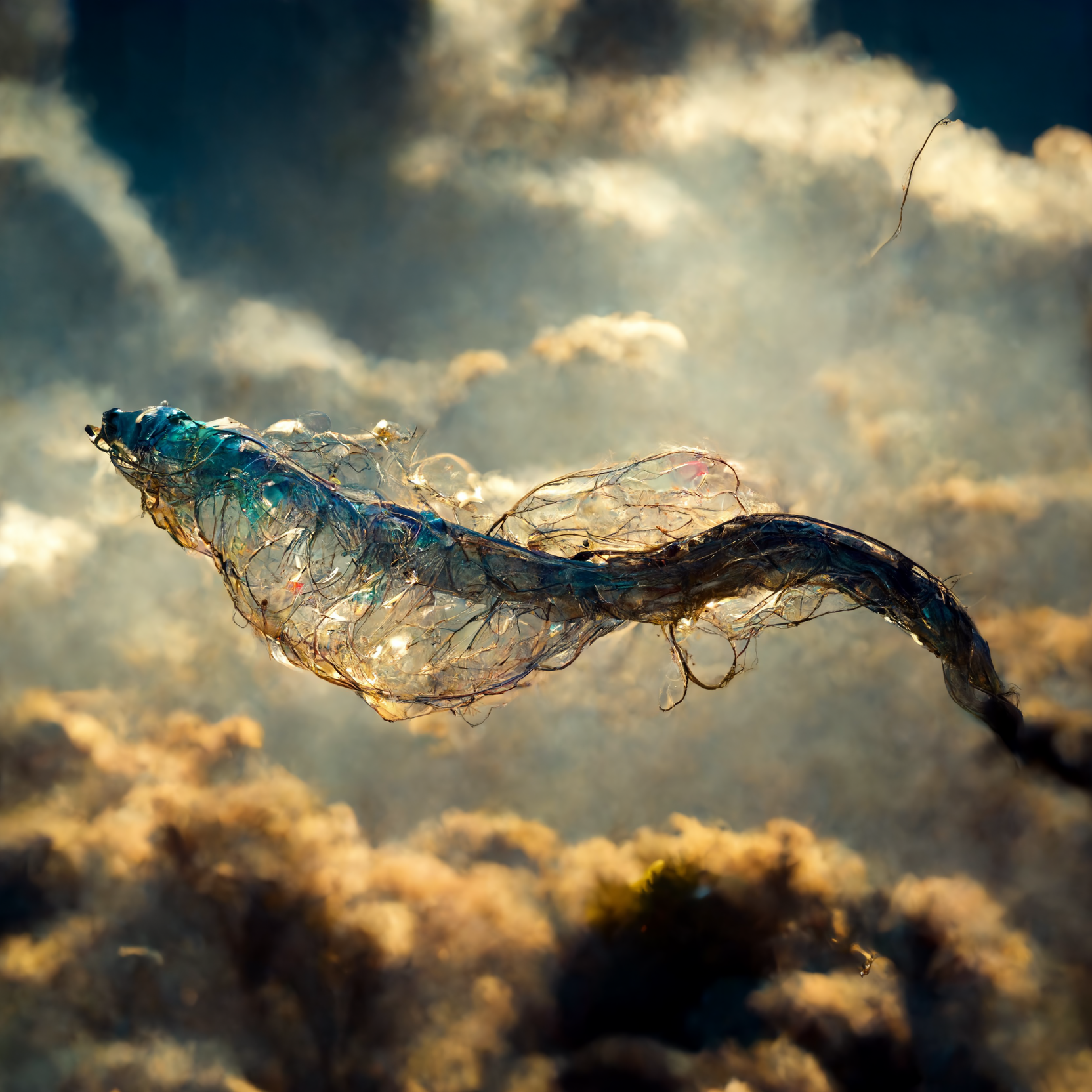
#284 Senjfisk

Senjfisk use thousands of microscopic limbs to move sand around them, enabling them to effectively swim through sand and loose dirt. These nocturnal carnivores also undergo a biological stasis while sleeping, which completely stops all but their m...