RARE

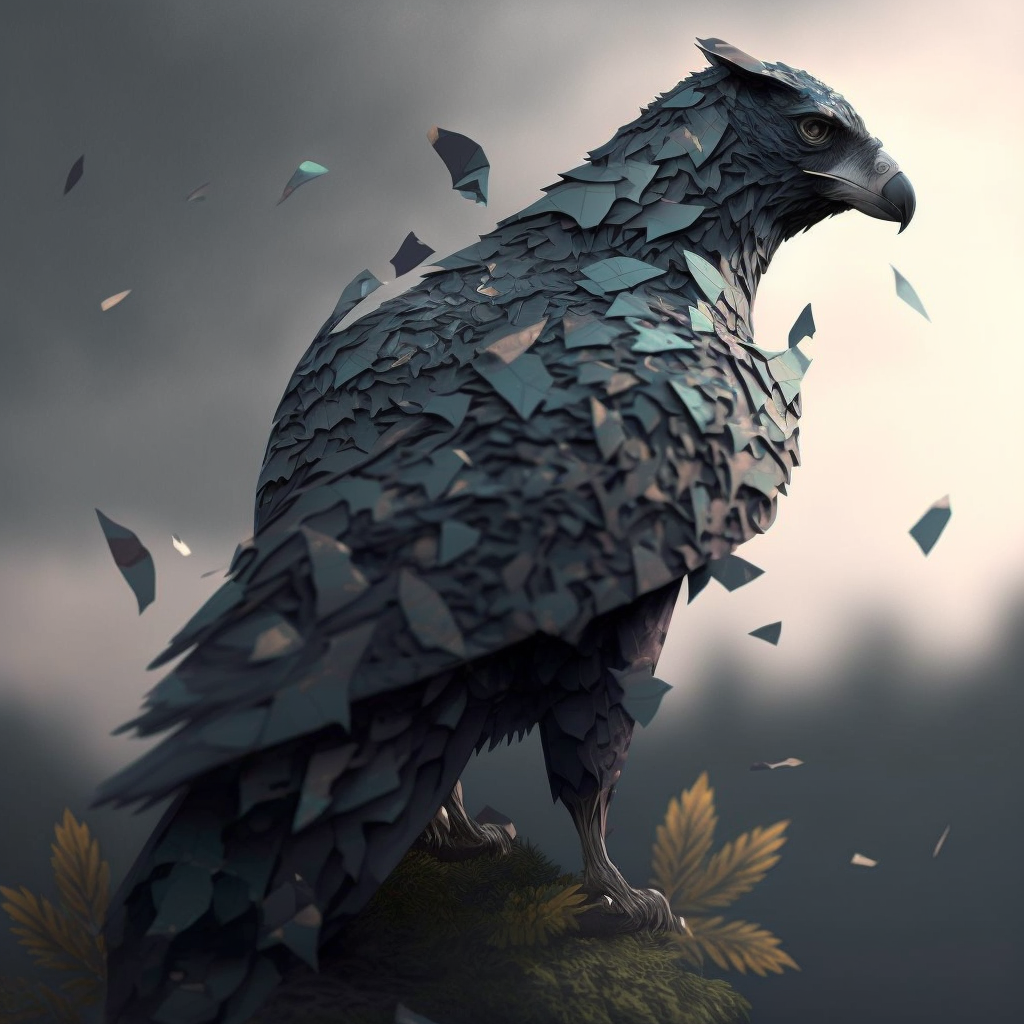
#347 Spectrowl

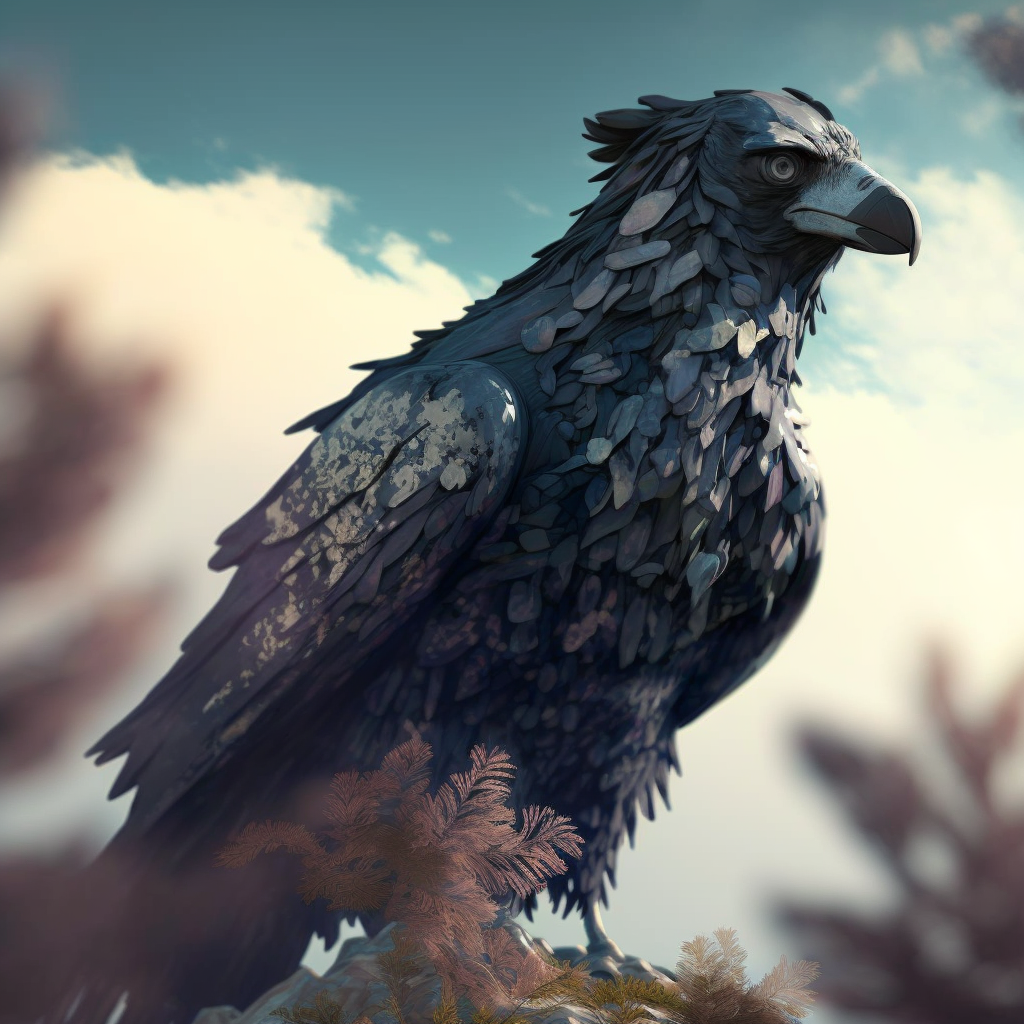
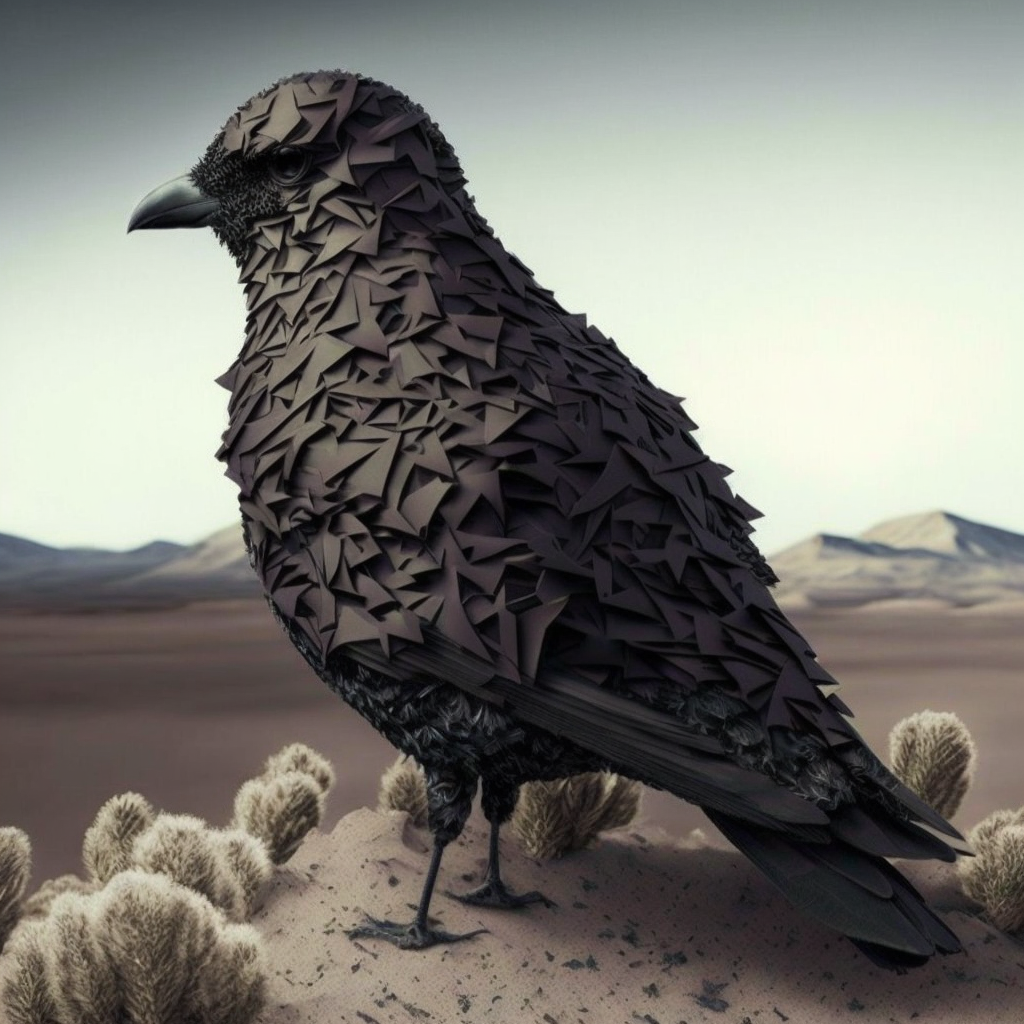
This large avian is colloquially known as the "master of camouflage" because of the hard, spectral shards that cover its body. These scales contain thousands of prisms that capture ambient light and reflect a perfect representation of an uninterrupted atmosphere, effectively rendering the spectrowl invisible at most wavelengths. Because spectrowl shards are so delicate, their system camouflage can easily be damaged or disrupted in the event of a physical injury; when this happens, they have been known to reflect laser-focused beams of light that may temporarily or permanently blind those nearby. In ancient times, spectrowl were thought to be creatures from another dimension and were purposefully injured at large gatherings to produce great spectacles of light.

Found in
Release Date December 09, 2022
Sign up for a free account to claim this creature as your own.

by NovelGens

by NovelGens

by NovelGens

Discover other creatures

Explore an endless universe of ficticious life on NovelGens.
UNCOMMON

#101 Dhagarem

Dhagarems are a common species of invisible beast that can be found across the world, but most commonly in unsettled areas. They are mostly nocturnal, but their shadows can sometimes be seen in the day if they wake up hungry. It is unclear what dh...

UNCOMMON

#271 Frost Skrayll

Frost skrayll genetically diverged from the common skrayll during the Great Frosting, where their highly-malleable bodies adapted to changing weather conditions. Frost skrayll secrete a slimy substance that freezes instantly when exposed to air, w...

COMMON

#269 Oceanstar

The oceanstar is a common salt-water marine mollusk. Oceanstars got their name from sailors who could just barely make out twinkling lights beneath the ocean waves in the pitch of night. Oceanstars are herbivores that feed on microplants and detri...

COMMON

#230 Pinlup

The humble pinlup is a delightful breed of small animal common in wild areas near human settlements. It's a popular activity for parents to bring their kids out to play with pinlups, providing them with bread and berries to eat; in return, pinlups...

RARE

#191 Sabbi san

Sabbi san are a phylum of four-legged microscopic tardigrades first described by Austrian zoologist Robby Saab in 2195, who discovered them in a tainted cave water sample. Sabbi sans move quickly in water or on land with a gait that closely resemb...

COMMON

#211 Dromlek

Dromleks are intelligent, flightless birds that originate from a far-off galaxy where gravitational directionality frequently changes, and dromleks therefore evolved omni-directional legs to compensate for sudden directional shifts. They are able ...