UNCOMMON

#027 Mipurd Ballow

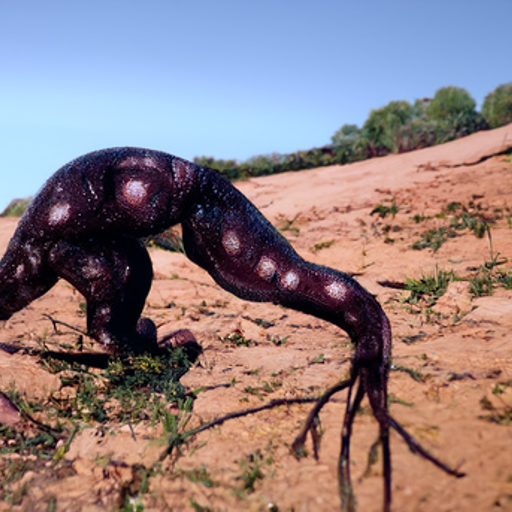
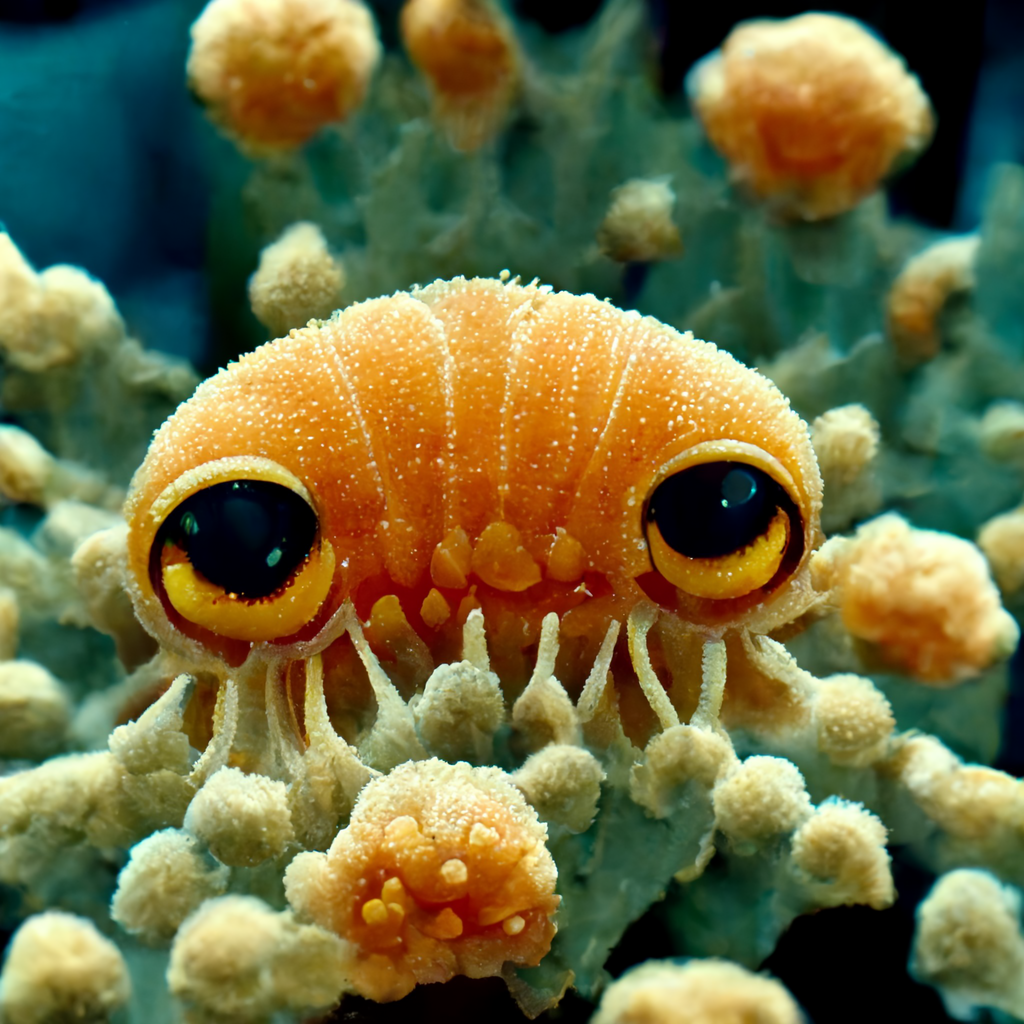
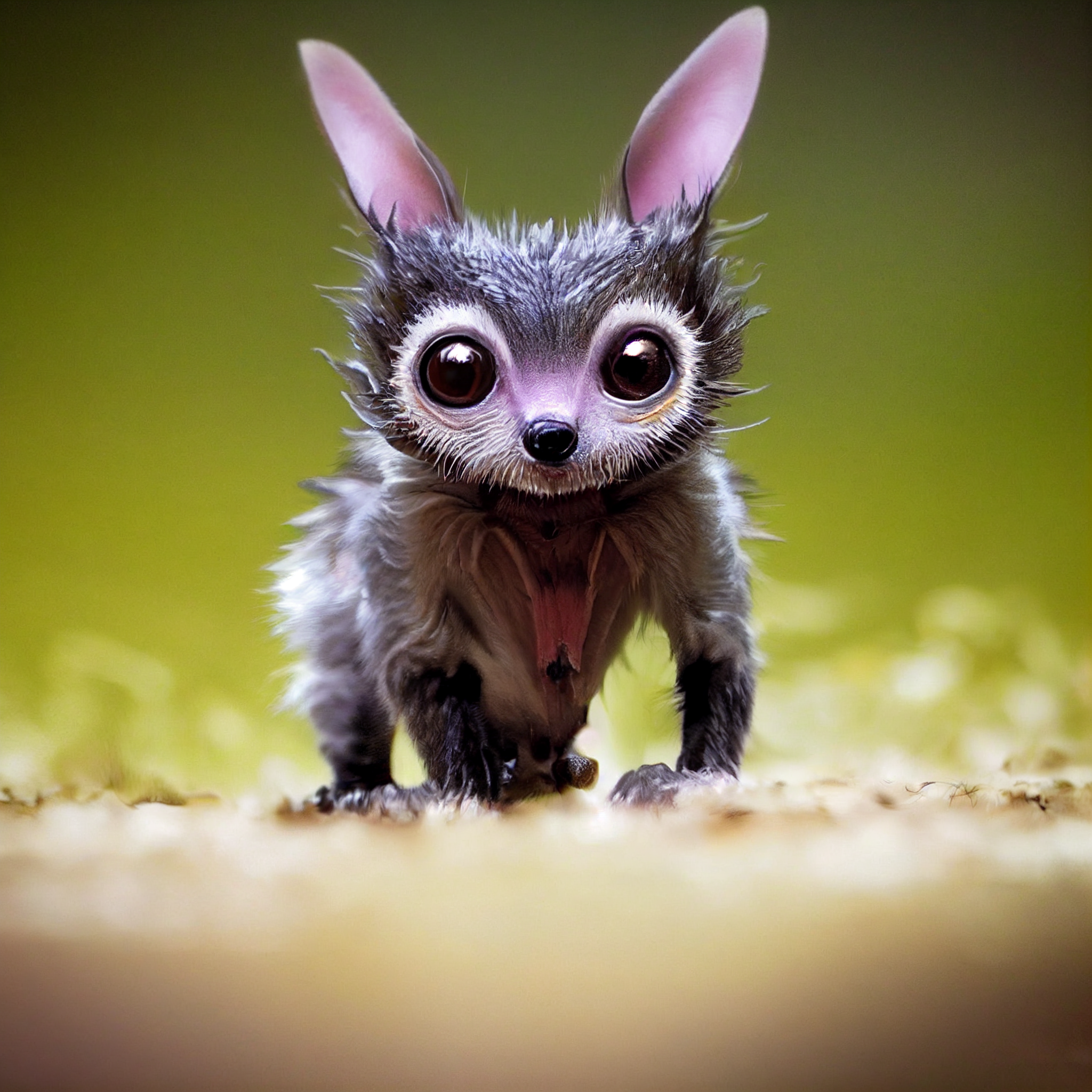
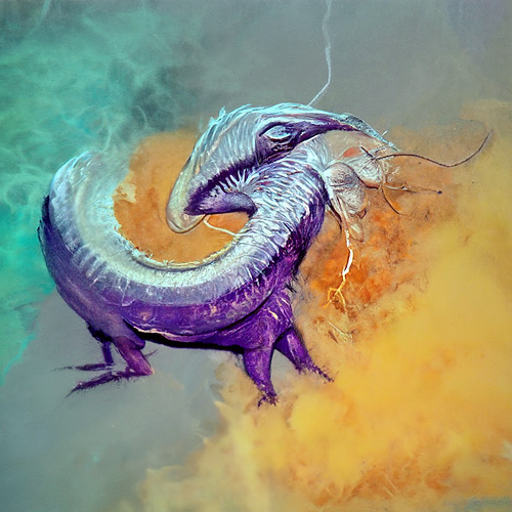
Mipurd Ballows are a small, primitive species of salamander that are found in the deepest cavities of melting ice sheets. They are extremely hardy and can survive in almost any environment, but they are slow-moving and are often considered weak by other living creatures. Mipurd Ballows are also extremely territorial and will fight to the death to defend their territory, which rarely goes well for them.

Release Date January 23, 2022
Sign up for a free account to claim this creature as your own.

Discover other creatures

Explore an endless universe of ficticious life on NovelGens.
UNCOMMON

#144 Stemilia

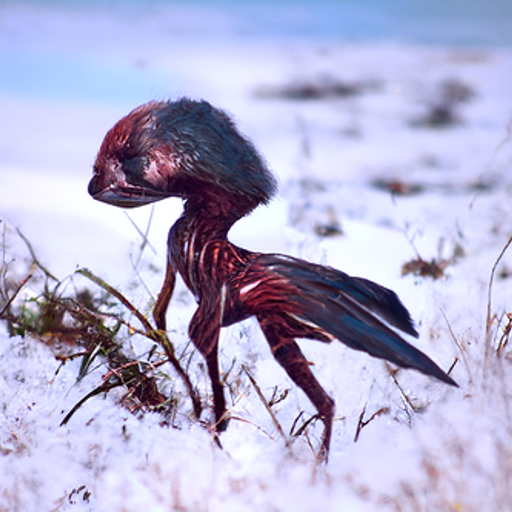
The stemilia are an ancient race of primates known for their extremely long, stilt-like legs. Although they historically cooperated with humanity in the distant past and lived in relative harmony with jungle villages, modern stemilia are significa...

UNCOMMON

#102 Alale

The alale is a muscular creature the size of a human that lives in swamps and marshes. They are very territorial and will use their ability to manipulate water to create hazardous barriers to keep other animals out of their territories. Alales are...

UNCOMMON

#206 Mooshan

Mooshans are large, furry animals with thick, metallic fur. They live in forests and eat mostly plants, but they also like to hunt mice and other small animals. They are extremely intelligent and can learn to speak a language other than their own....

COMMON

#148 Dacagoth

Dacagoths are small, fluffy mushroom-like creatures that live in grottos and caves. They are about the size of a human thumb and are typically a light shade of gray. They spend most of their time sleeping and eating the rocks and fungus of the cav...

COMMON

#202 Fethid

Fethids are a species of large, fish-like creatures that live in the ocean. They are about two feet long and weigh about two hundred pounds. They are extremely intelligent and have evolved a complex system of language, culture, and social structur...

UNCOMMON

#276 Vuvegge

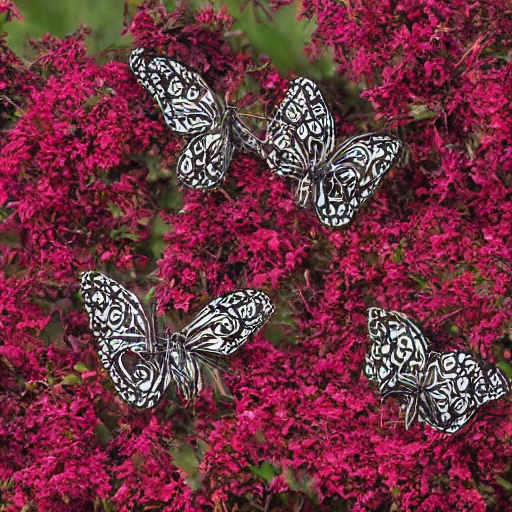
Vuvegges are small insects common to forests and jungles that don't develop a sense of sight until a late stage of life. During their early "formative" years, vuvegges use their large eyeballs as sacs to store additional food or resources. Vuve...