UNCOMMON

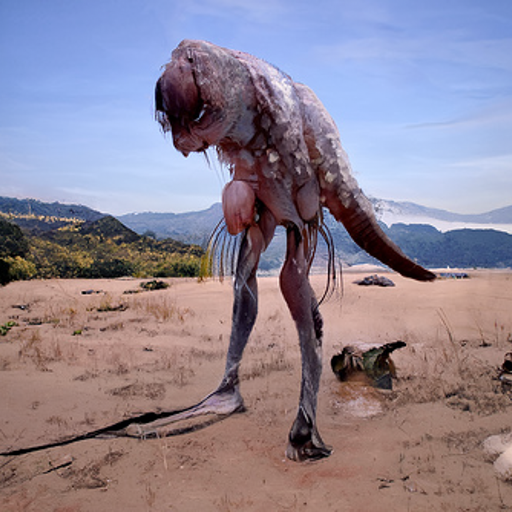
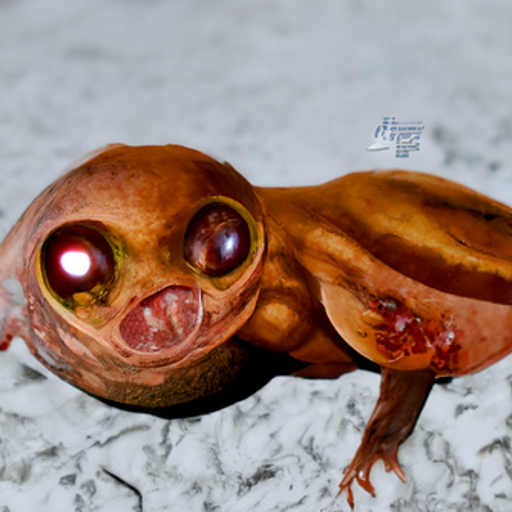
#169 Havough

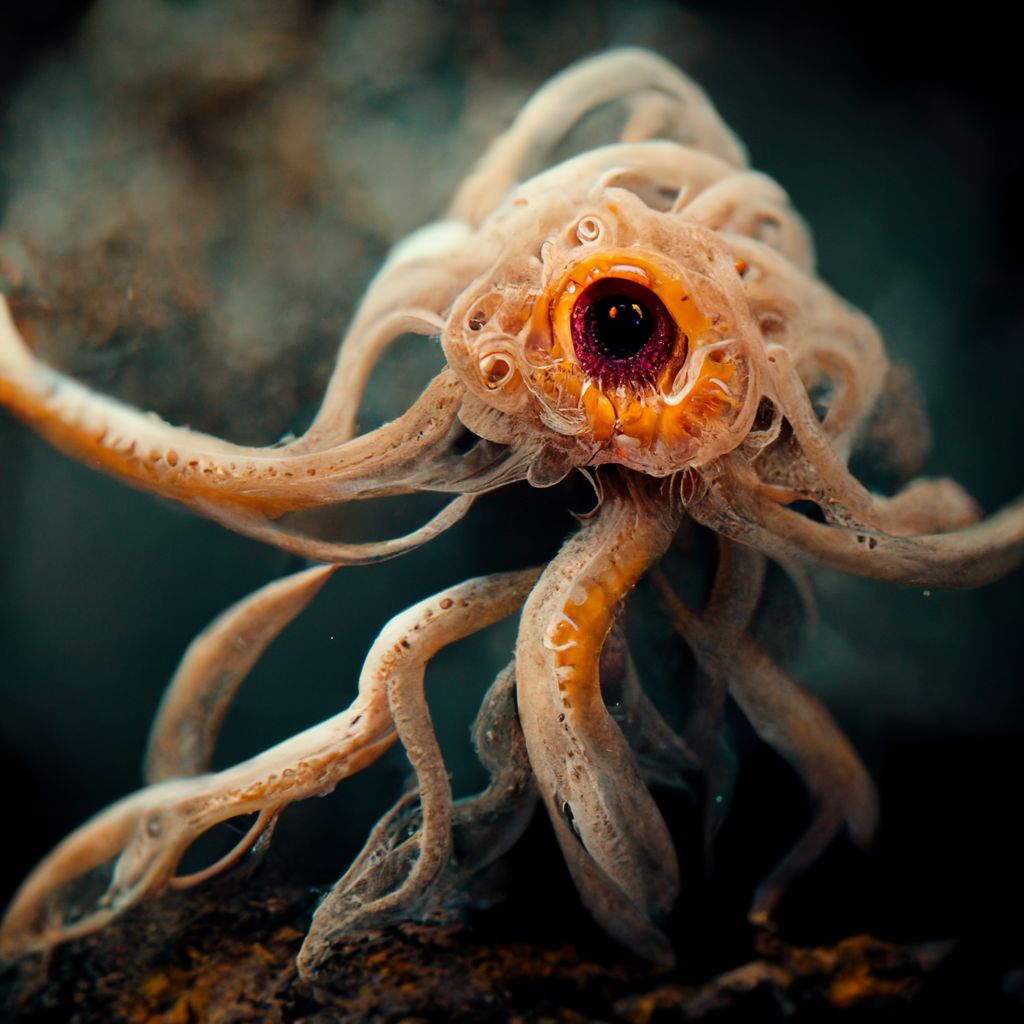
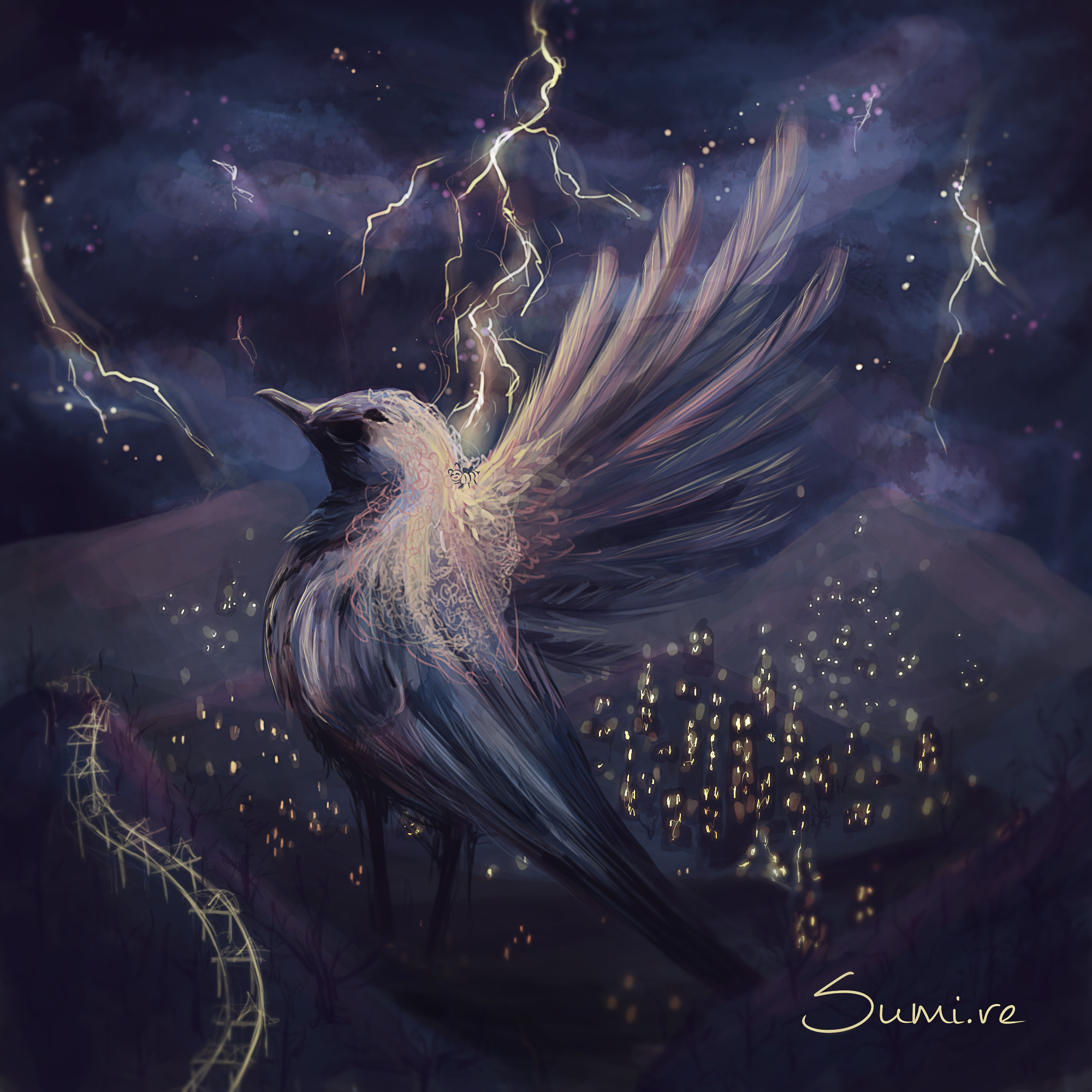
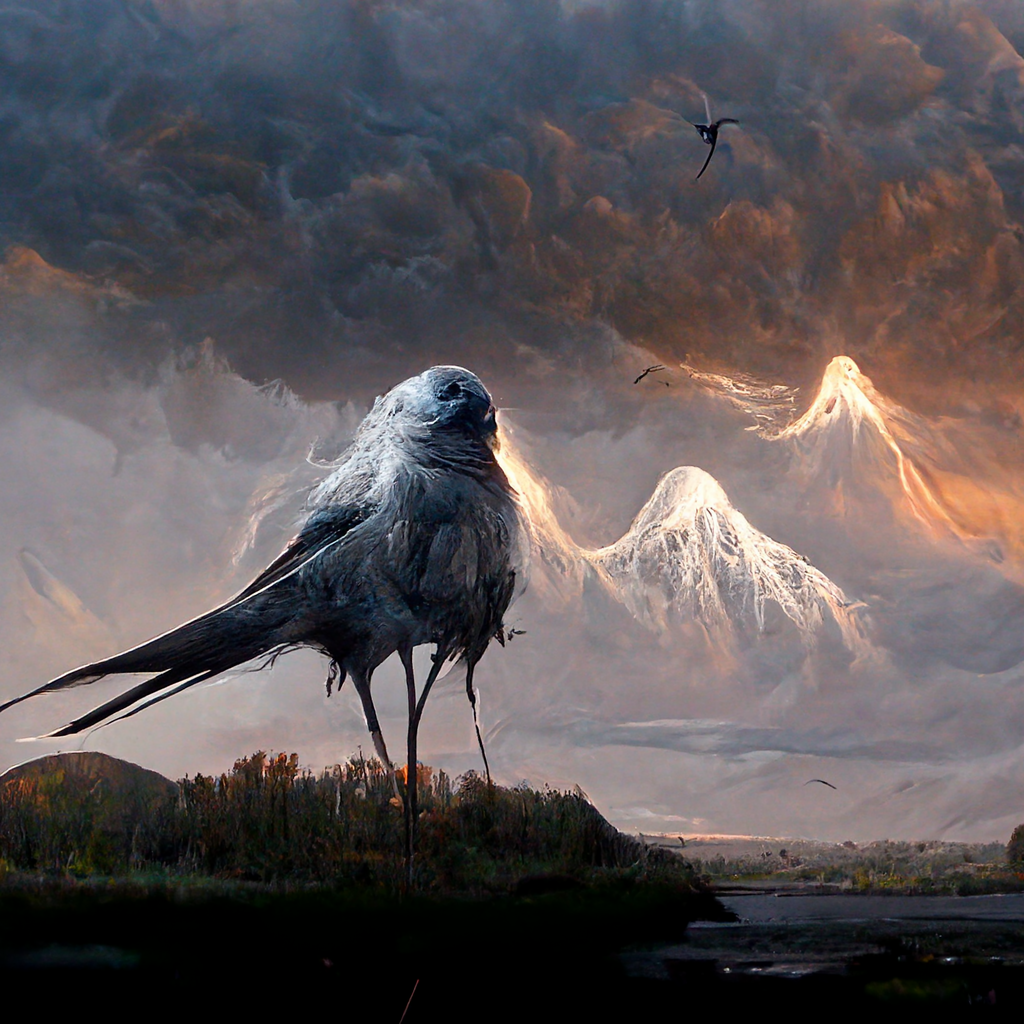
The large havough bird towers above trees, hills, and mountains with its imposing stature. Although havoughs typically fly into outer space to hunt for food, they often prefer to relax for weeks at a time in our atmosphere between meals. Although havough aren't malicious, they are dangerous simply due to their sheer size: the wrong footstep can crush entire towns, a gust of wind from their wings can blow over structures, and the sound of their mating call can rupture eardrums from a close enough distance. For these reasons, havoughs are typically classified as a pest even though there is nothing that can be done to shoo them away.

Release Date June 14, 2022
Sign up for a free account to claim this creature as your own.

by Ella
♥ 7

by Andrew
♥ 5

Discover other creatures

Explore an endless universe of ficticious life on NovelGens.
COMMON

#034 Mrohl

Mrohls live in enchanted forests where they eat magic berries and hallucinogenic plants. As such, their reactions to adventurers are as predictably intense as their actions are unpredictable. Their droppings are typically made into a hallucinogeni...

COMMON

#089 Vieflhuse

Vieflhusen are skymantas that frequently dip below the clouds in search of food, fun, and friends. Although their eyesight is terrible, they are able to use an altered form of echolocation to sense a three-dimensional representation of the area an...

COMMON

#064 Ytrail

Ytrail are large snail-like creatures found in frozen areas. Their shell is an immaculate conductor of heat, which keeps their body warm on even the coldest days. Domesticated ytrails are often ridden by small children to get to and from school an...

COMMON

#195 Blatheraxe

Blatheraxes are shapeshifting eels that live in the deepest depths of the ocean. They are able to stretch physical appendages from their malleable body and have been known to creatively lure curious divers to their deaths. Adult blatheraxes are ty...

RARE

#191 Sabbi san

Sabbi san are a phylum of four-legged microscopic tardigrades first described by Austrian zoologist Robby Saab in 2195, who discovered them in a tainted cave water sample. Sabbi sans move quickly in water or on land with a gait that closely resemb...

UNCOMMON

#299 Galla sprii

The galla sprii's official origin is unknown, but scientists believe it was genetically created centuries ago for use in agriculture. Galla sprix are hulking, two-headed mammals that keep a strict, independent diet per head. Farmers nowadays use t...