UNCOMMON

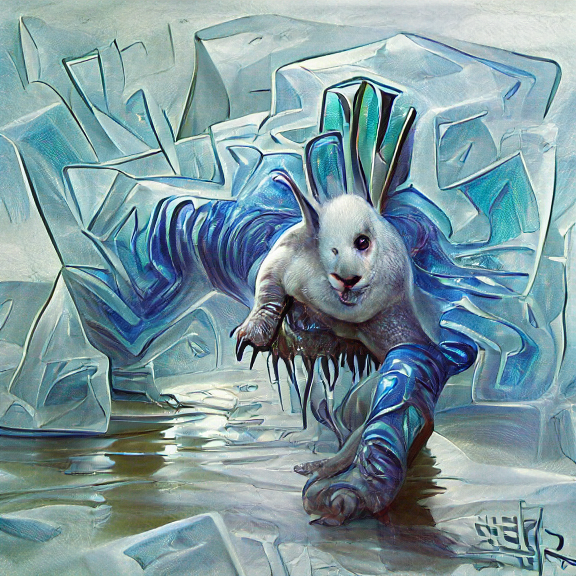
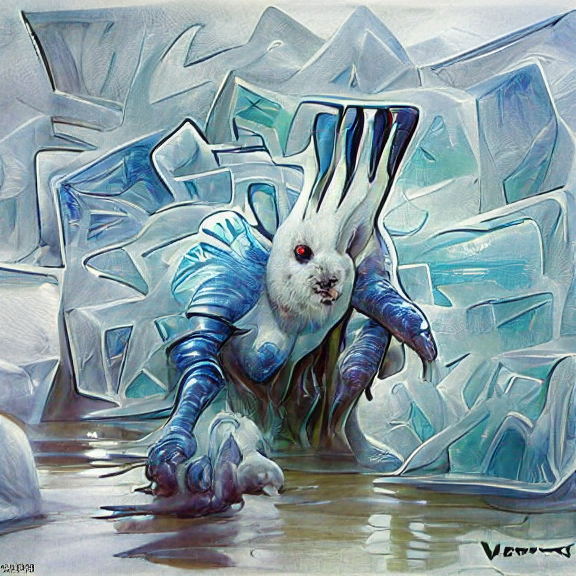
#271 Frost Skrayll

Frost skrayll genetically diverged from the common skrayll during the Great Frosting, where their highly-malleable bodies adapted to changing weather conditions. Frost skrayll secrete a slimy substance that freezes instantly when exposed to air, which the frost skrayll uses to manage their internal temperature. In general, frost skrayll have also learned to use this mutation for increased mobility, allowing them to scale glaciers, burrow through hard ice, or create temporary land bridges.
Release Date September 24, 2022
Sign up for a free account to claim this creature as your own.

by NovelGens

by NovelGens

Discover other creatures

Explore an endless universe of ficticious life on NovelGens.
RARE

#118 Herenella

Herenellas are seahorse-like creatures whose bodies form non-euclidean shapes. They feed on ambient temperature differences deep in the ocean. These creatures are very intelligent and will often be found in tight clusters of dozens to hundreds. He...

COMMON

#145 Starsquid

Starsquid are the only known creatures that live in the upper exosphere. They are translucent floating jellyfish that hunt on moonless nights by using their bioluminescence. When dawn comes, they ascend back into the heavens to spend the day resti...

COMMON

#155 Gebloon

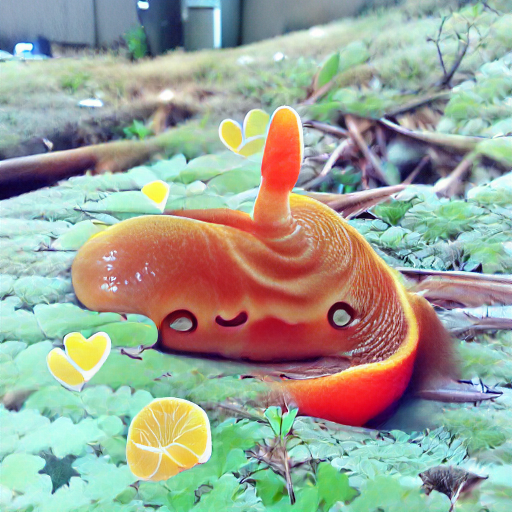
The gebloons are a race of intelligent beings that resemble orange blobs with a face. They are about 3 feet tall and have four arms and two legs, although those appendages are usually part of their blob and out of sight when not in use. Gebloons l...

COMMON

#235 Worgant

Worgants are a species of small were-ants that live in packs in the northern forests. They have a symbiotic relationship with the betzkra woodpeckers, who make holes in the bark of trees to get at grubs and other insects, which worgants then turn ...

UNCOMMON

#216 Zelorgbia

Zelorgbian creatures are relatively simple jellyfish-related invertibrates that live on the edges of the ocean. Zelorgbians come on shore to bask in the sunlight and to lay their eggs. However, they can't move on land and risk dehydration if they'...

UNCOMMON

#284 Senjfisk

Senjfisk use thousands of microscopic limbs to move sand around them, enabling them to effectively swim through sand and loose dirt. These nocturnal carnivores also undergo a biological stasis while sleeping, which completely stops all but their m...