COMMON

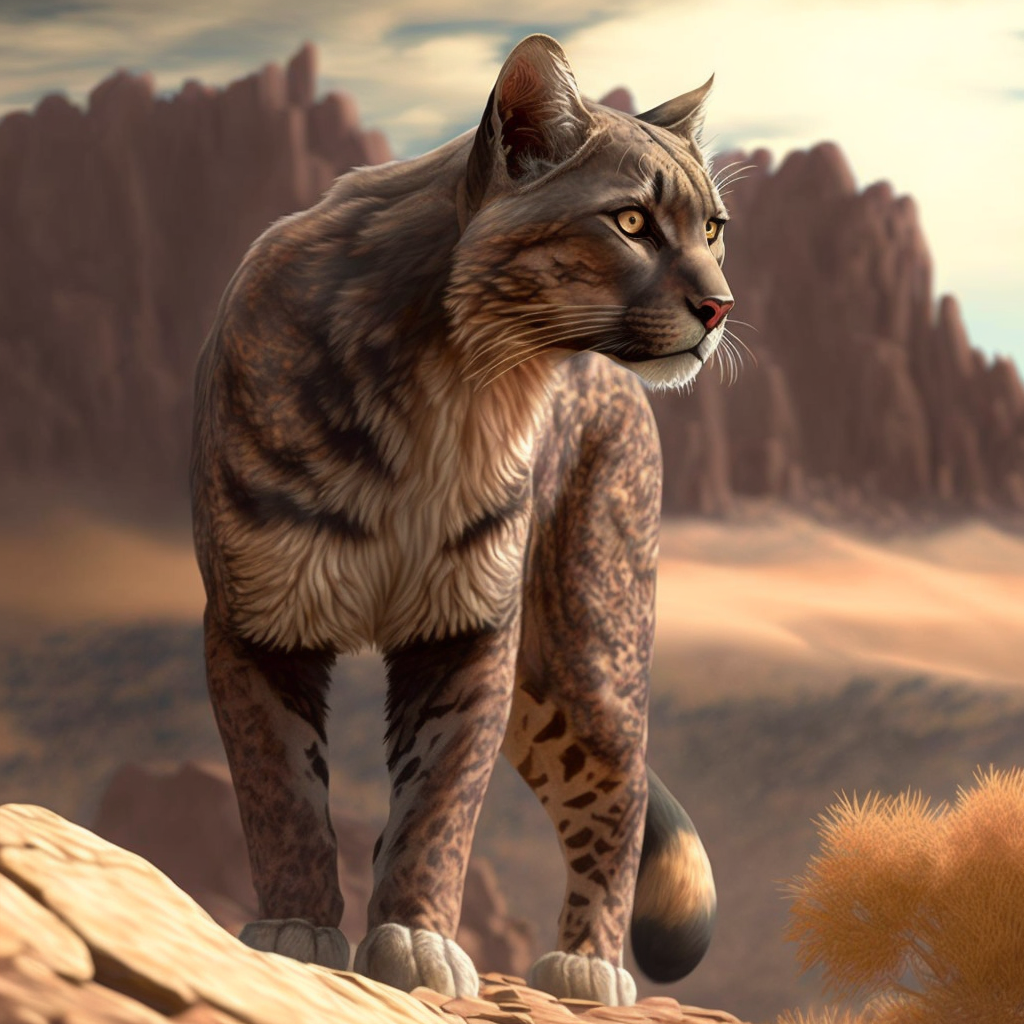
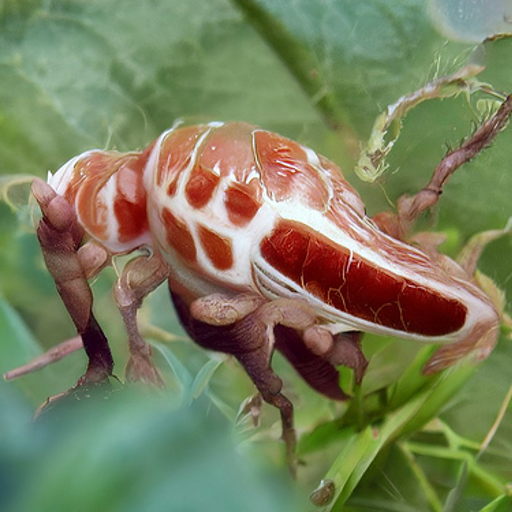
#008 Zoupir

Zoupir are small, insect-like pigs that travel underground, in packs. They feed primarily off dirt and roots, sucking nutrients from crops and vegetation in the area. They are an invisible pest, but farmers with a little know-how know how to spot signs of their presence.

Release Date January 04, 2022
Sign up for a free account to claim this creature as your own.

Discover other creatures

Explore an endless universe of ficticious life on NovelGens.
COMMON

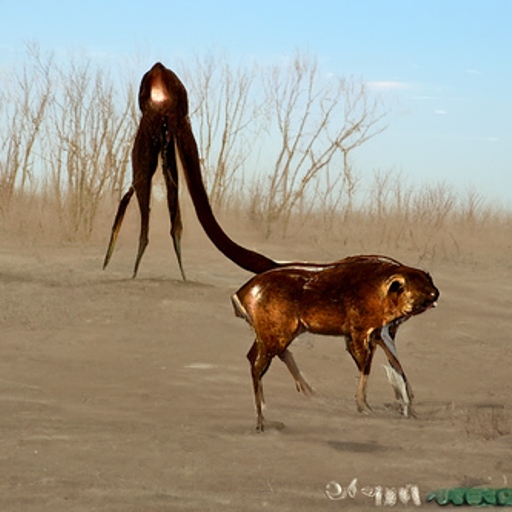
#136 Bruvnur

Bruvnurs are large, black-and-white mammals that have demonstrated a high level of intelligence and inter-species communication. They are reknowned for their ability to quickly learn and take orders. In the wild, they are usually found in large gr...

UNCOMMON

#081 Eieliez

Eieliezen are knee-high, bird-like creatures that are known for their remote eye, which they can often be seen holding but will also leave behind in their nest to watch their young with while they're out hunting or gathering. Not much is known abo...

COMMON

#266 Zajg

Zajg (spelled zayg in some locales) are a faceless fish common in warm reefs. These large trawlers use a version of echolocation that provides better information about their surroundings compared to typical fish eyesight. This sensory system allow...

UNCOMMON

#295 Digo gaur

Digo gaur are a domesticated breed of zainko whose closest genetic common ancestor is the pig. Digo gaur were first discovered at the Last Refuge in the far north at the end of the second era and were bred in large numbers for food before the gaur...

RARE

#322 Ungarmel

When a creature is near, an ungarmel on the prowl will curl up in a ball and hover above the ground, doing its best to blend in with the environment in order to catch its prey unaware. When the time is right, the ungarmel will attack by releasing ...

COMMON

#349 Flayansk

The flayansk originates in the far north, in the freezing highlands of Cotsk. Flayansk vary wildly in size throughout their life, growing quickly from the size of rodents to the size of large boulders, then eventually shrinking back to microscopic...