COMMON

#215 Zemyl

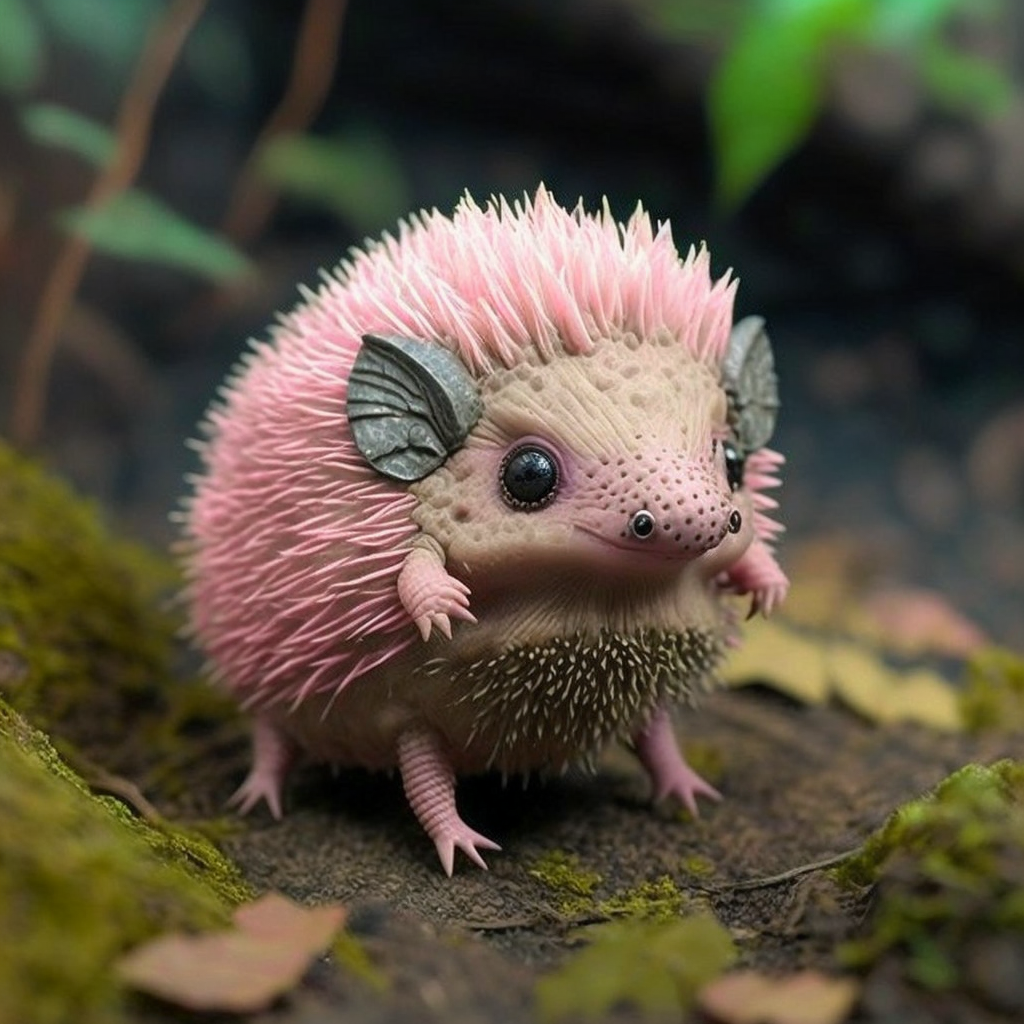
The zemyl is a small and brightly colored mammal that lives in mountain ranges. It has a penchant for collecting rocks, prefers to eat a diet of flowers and insects, and is capable of traveling at great speeds by rolling down hills. If you ever encounter a zemyl, it is advised that you shout the phrase "zemyl!" at it to ward it off, as this is the one word that zemyls are absolutely terrified of.

Found in
Release Date July 30, 2022
Sign up for a free account to claim this creature as your own.

Discover other creatures

Explore an endless universe of ficticious life on NovelGens.

RARE

#115 Nebulflat

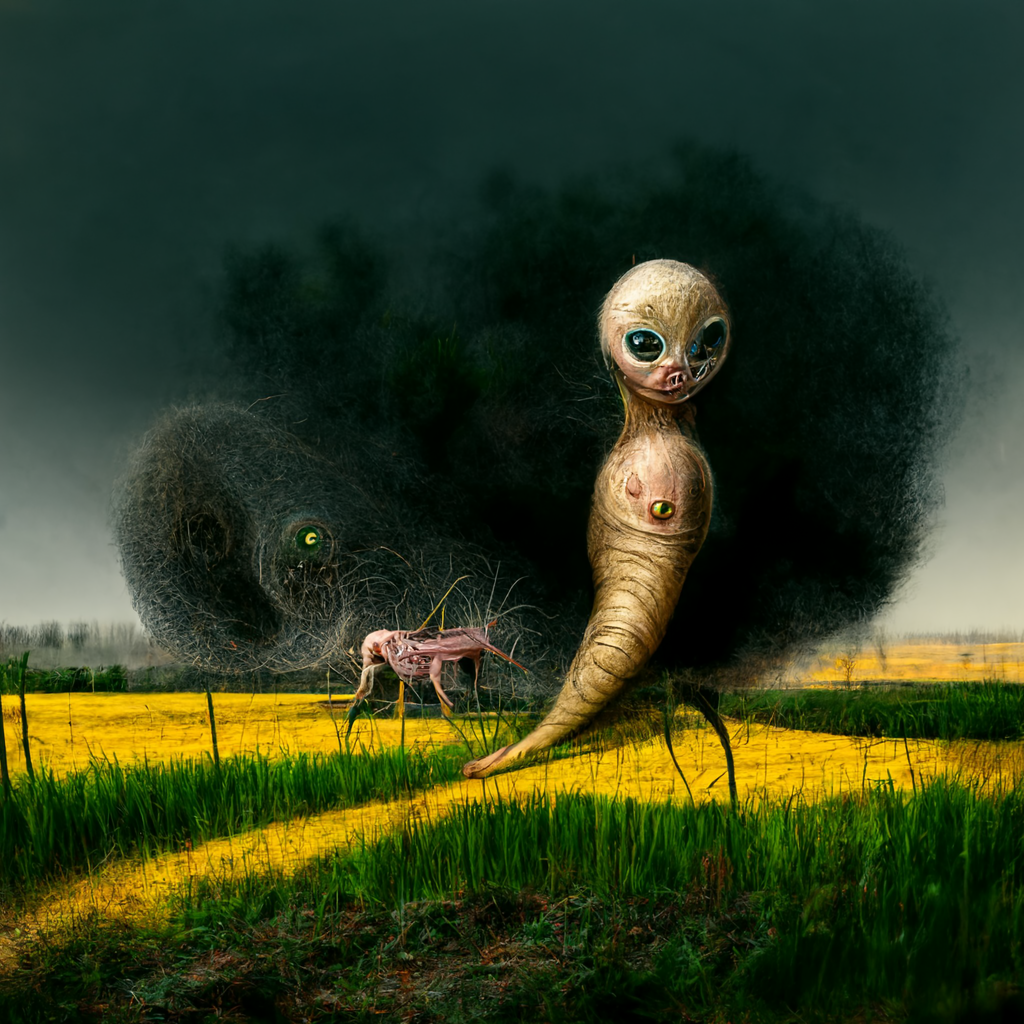
Nebulflats are strange, half-ox, half-beetle creatures that live deep in the oceans of the planet. They are extremely inquisitive and will often crawl onto land to explore oceanside forests. Despite the fact that they seem to enjoy spending most o...

COMMON

#201 Jigbat

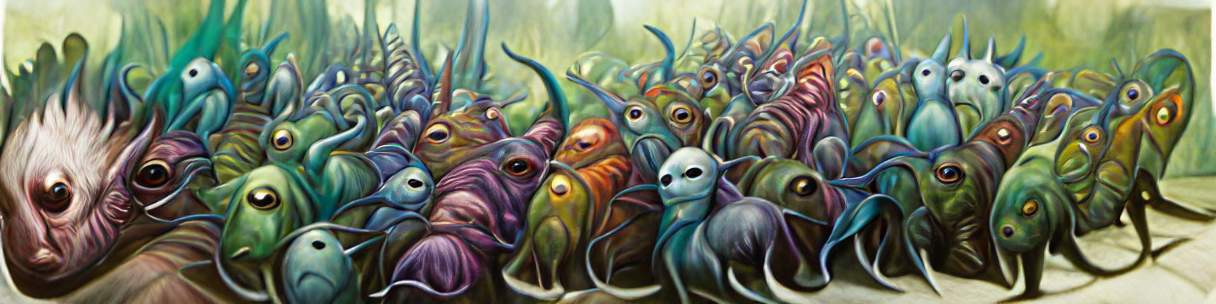
Jigbats are large insects that resemble blue bats. They can be found throughout the world's forests and feed on insects, small birds, and berries. They sting their prey with a powerful paralytic venom that stains the skin blue, which they often us...

UNCOMMON

#069 Seullen

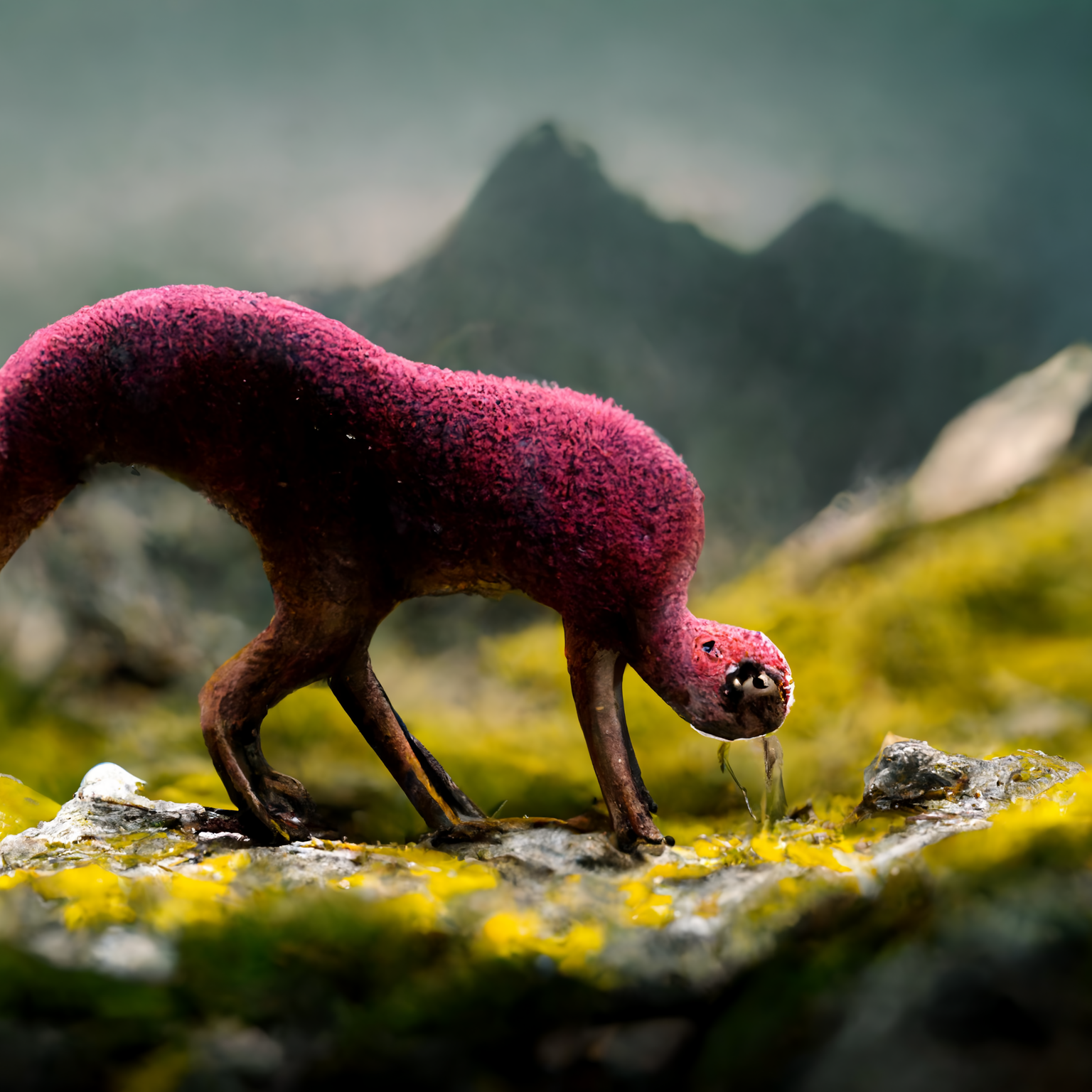
Seullen are large, humanoid predators that contort their bodies into the optical illusion of a large bird to lure in and pick a fight with other large predators. Nearby villages can hear the tell-tale sounds of these fights from the haunting laugh...

UNCOMMON

#292 Volkan

The volkan is a massive creature, about the size of a buffalo, but with four legs and a tail. It is covered in thick black fur and has a massive mouth full of razor-sharp teeth. It has a pair of horn-like structures on its head and its eyes are us...

UNIQUE

#341 Karystel

Karystels are noted for their beauty, grace, and quickness. Their long, lithe bodies move like eels, and they have scales in shades of iridescent purple, blue, and green. They are very popular in the arts, both among dancers and musicians. Baby ka...

COMMON

#339 Karkat

Karkats are medium-sized creatures that spend most of their time on the ocean floor, though they will occasionally come to the surface for air. They have hollow bones and two long, nearly prehensile tails that help them to swim quickly. When they ...