UNCOMMON

#144 Stemilia

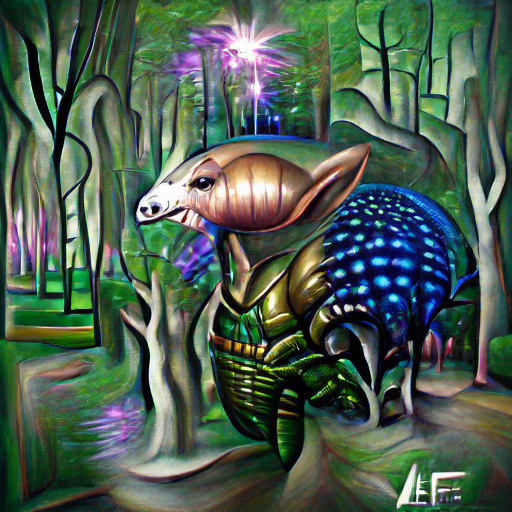
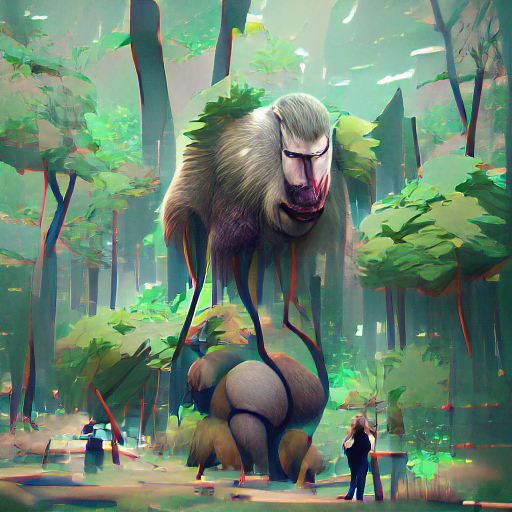
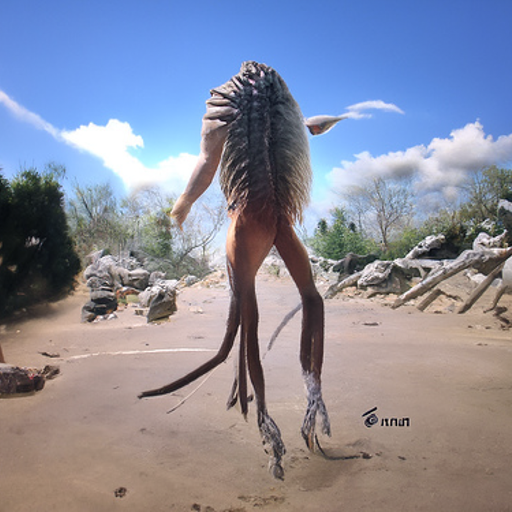
The stemilia are an ancient race of primates known for their extremely long, stilt-like legs. Although they historically cooperated with humanity in the distant past and lived in relative harmony with jungle villages, modern stemilia are significantly more aggressive and fearful of humans and prefer to live in villages of their own, far away from the nearest human town. Although stemilia legs are prone to breaking often, they will apply hand-made splints to remain upright and heal quickly with their fast-acting regenerative systems. As stemilia age, their legs will naturally thicken with muscle and fortified calcium deposits.
Found in
Release Date May 20, 2022
Sign up for a free account to claim this creature as your own.

by NovelGens

Discover other creatures

Explore an endless universe of ficticious life on NovelGens.
UNCOMMON

#131 Phembluf

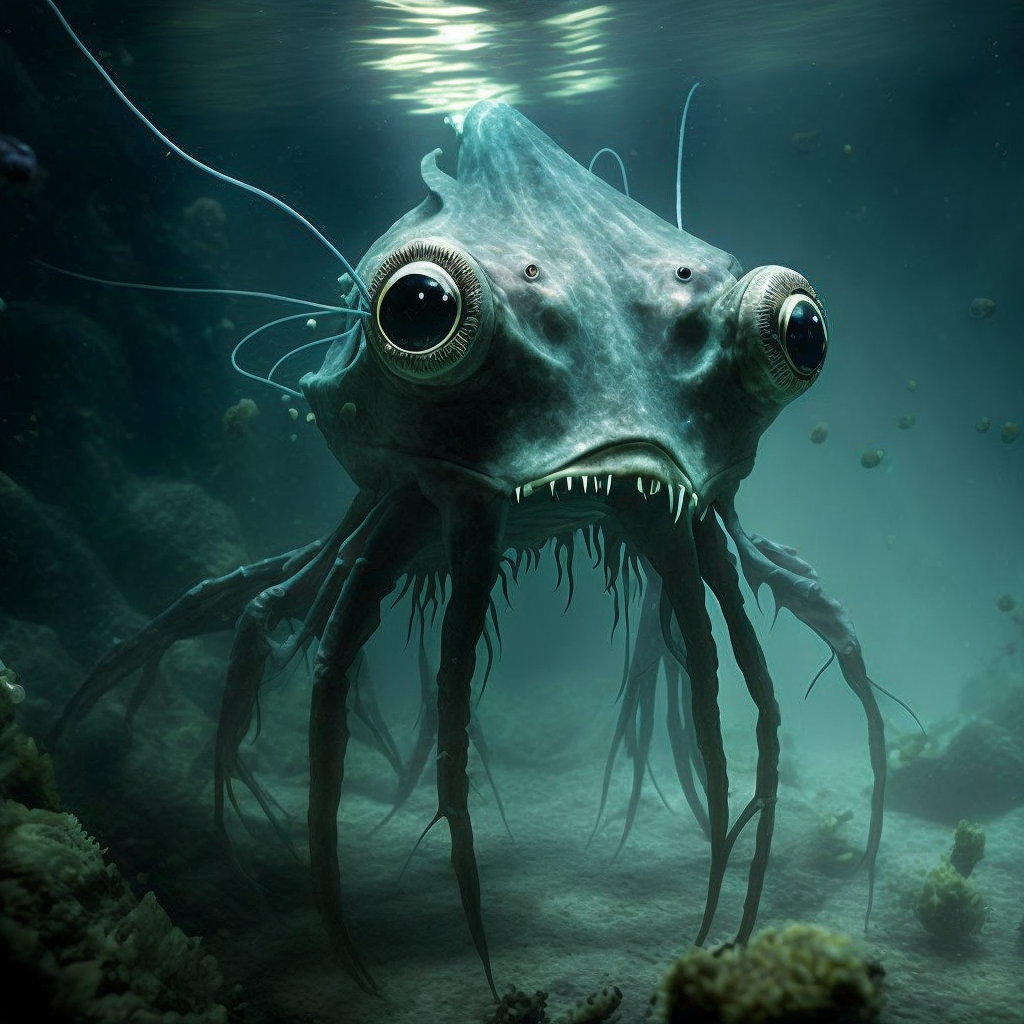
Phemblufs are large, blue fish that live in the deeper, frozen parts of the northern oceans. Phemblufs average two to three feet long and have a long black, snout with a mouth full of razor-sharp teeth that can drill through ice with ease. Phemblu...

UNCOMMON

#137 Gungon

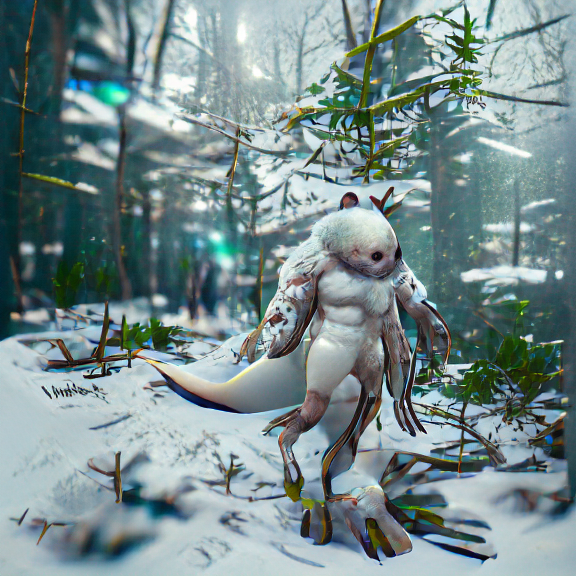
Gungons are medium-sized primates that live in the colder forests of the world. Their white fur is very dense, waterproof, and home to many insect populations. The colorful plants that grow out of their backs serve as camouflage in the spring,...

RARE

#258 Tarodo

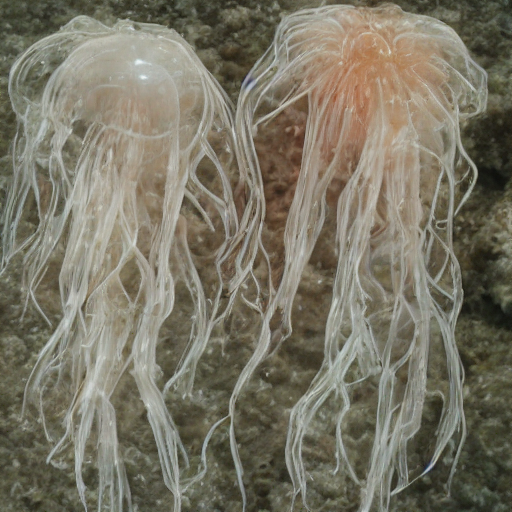
Tarodos are dangerous cave-dwelling creatures. Their long tentacles are able to find and grasp prey from far away to drag it into their subterranean lairs. Tarodos usually hunt alone from the safety of their lair, but sometimes a few tarodos will ...

UNCOMMON

#291 Vorivo'r

The vorivo'r is a small alpine creature that lives in the snowy mountains. It is covered in burred fur, with a small round body and a large head. It is about the size of a human hand, and feeds on small insects and worms. Vorivo'rs run with a dist...

UNCOMMON

#305 Goursherpoid

Goursherpoids are aggressive reptiles that have large, flat sensors in their eye which allows them to see every wavelength of light. They have a long t tail that they can use defensively to whack their predators, and they have a bone behind their ...

UNIQUE

#343 Qualya

The first record of the gargantuan qualya was recorded by scientists on a digging expedition nearly a century ago, where they reported instrument malfunctions, tremors, and fits of temporary insanity. Since then, those who have studied qualya hypo...