RARE

#106 Sidjif

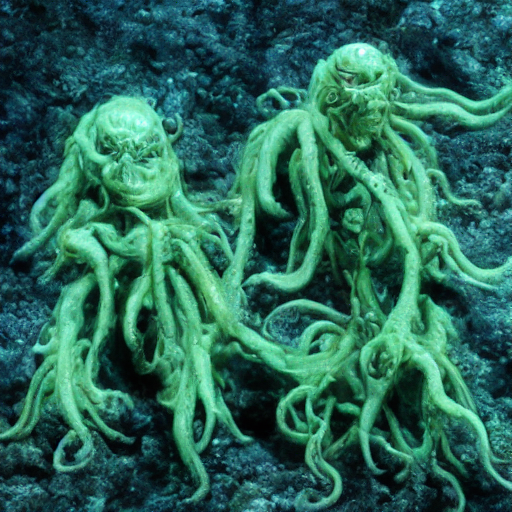
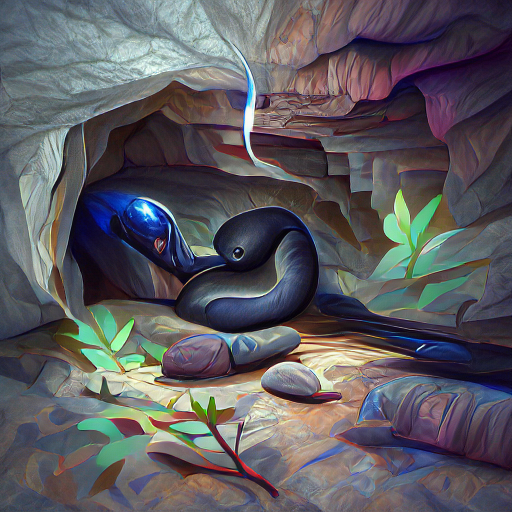
The sidjif is a large, snakelike creature that is commonly used as a mount for the orcs and goblins of the world. Their massive bodies can grow up to 60 feet in length, and are powerful and muscular enough to support the weight of ten riders. They have four hearts, a large mouth, and several eyes that can be found on their head, neck, and body. They are very trusting and have been known to forge strong bonds with the riders that they are paired with. Their name comes from the sound that they make when they are pleased or hungry, which follows a short, warbling beat.

Found in
Tags
Release Date April 12, 2022
Sign up for a free account to claim this creature as your own.

Discover other creatures

Explore an endless universe of ficticious life on NovelGens.
UNCOMMON

#031 Hadgeit

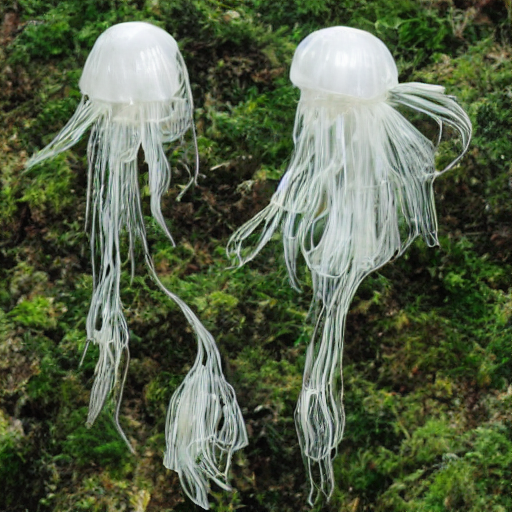
Hadgeits are a rare, holy creature that are believed to be the physical manifestation of an ancient god of light. They are extremely rare and are typically found in the presence of other holy creatures. They have a variety of magical abilities, in...

COMMON

#141 Wartbug

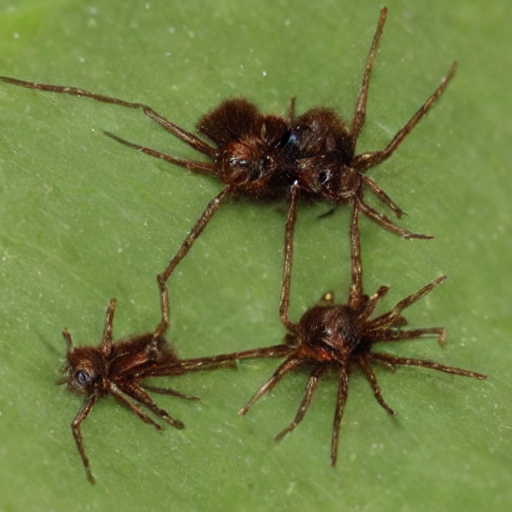
The large wartbug is native to warmer forests on southern coasts, but has slowly spread throughout the continents over the years. They are about as large as a dog and primarily feed on berries and small forest-dwelling rodents. Wartbug shells are ...

COMMON

#173 Alu'fiku

Alu'fiku are reef-dwelling fish most notable for their false "dorsal eye", which remains open while they sleep to help deter smaller predators. This is particularly helpful for alu'fiku because they sleep in open waters, coasting forward as if swi...

UNCOMMON

#172 Krangof

Krangofs are most notable for their pungent odor and high-pitched, loud calls. They are largely-solitary, aggressive scavengers and maim any other animal that they perceive as a threat. Their sharp teeth are formed into a single, solid, serrated b...

UNCOMMON

#276 Vuvegge

Vuvegges are small insects common to forests and jungles that don't develop a sense of sight until a late stage of life. During their early "formative" years, vuvegges use their large eyeballs as sacs to store additional food or resources. Vuve...

RARE

#191 Sabbi san

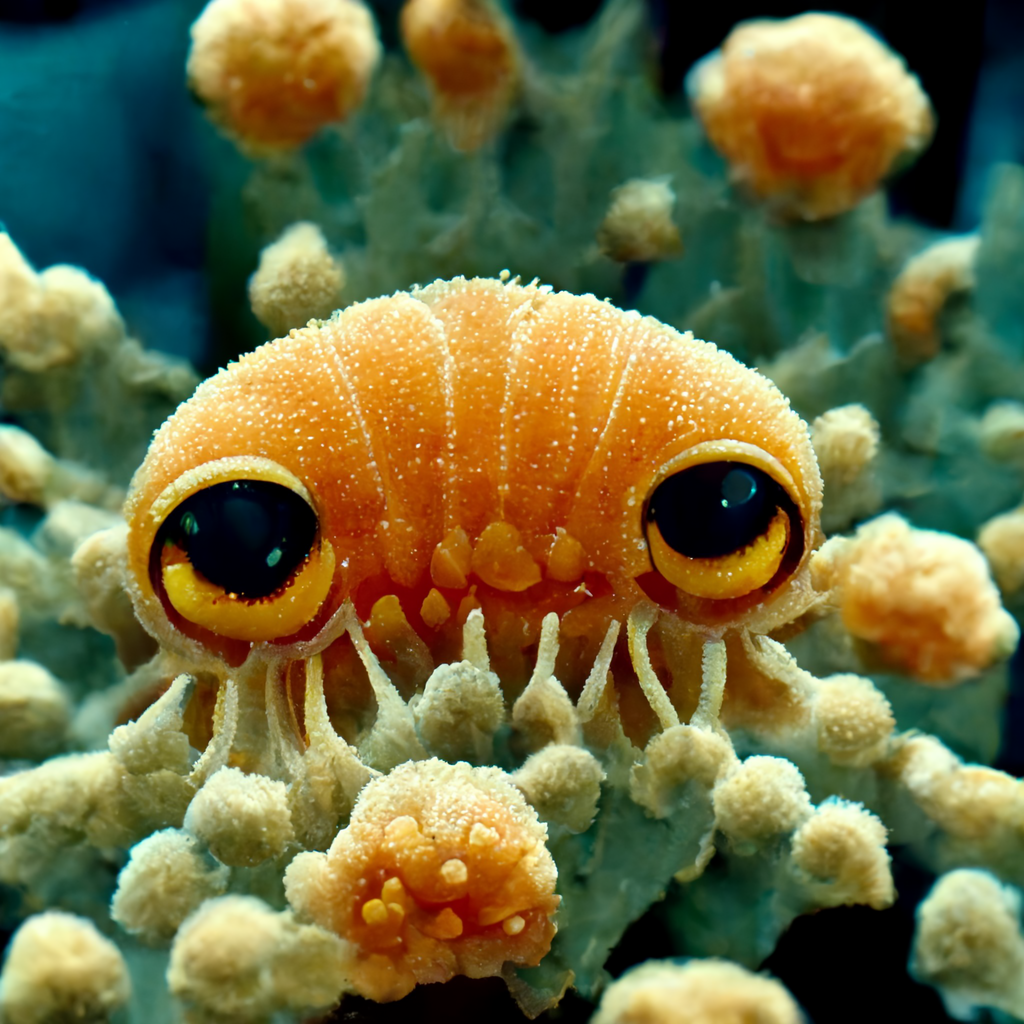
Sabbi san are a phylum of four-legged microscopic tardigrades first described by Austrian zoologist Robby Saab in 2195, who discovered them in a tainted cave water sample. Sabbi sans move quickly in water or on land with a gait that closely resemb...