COMMON

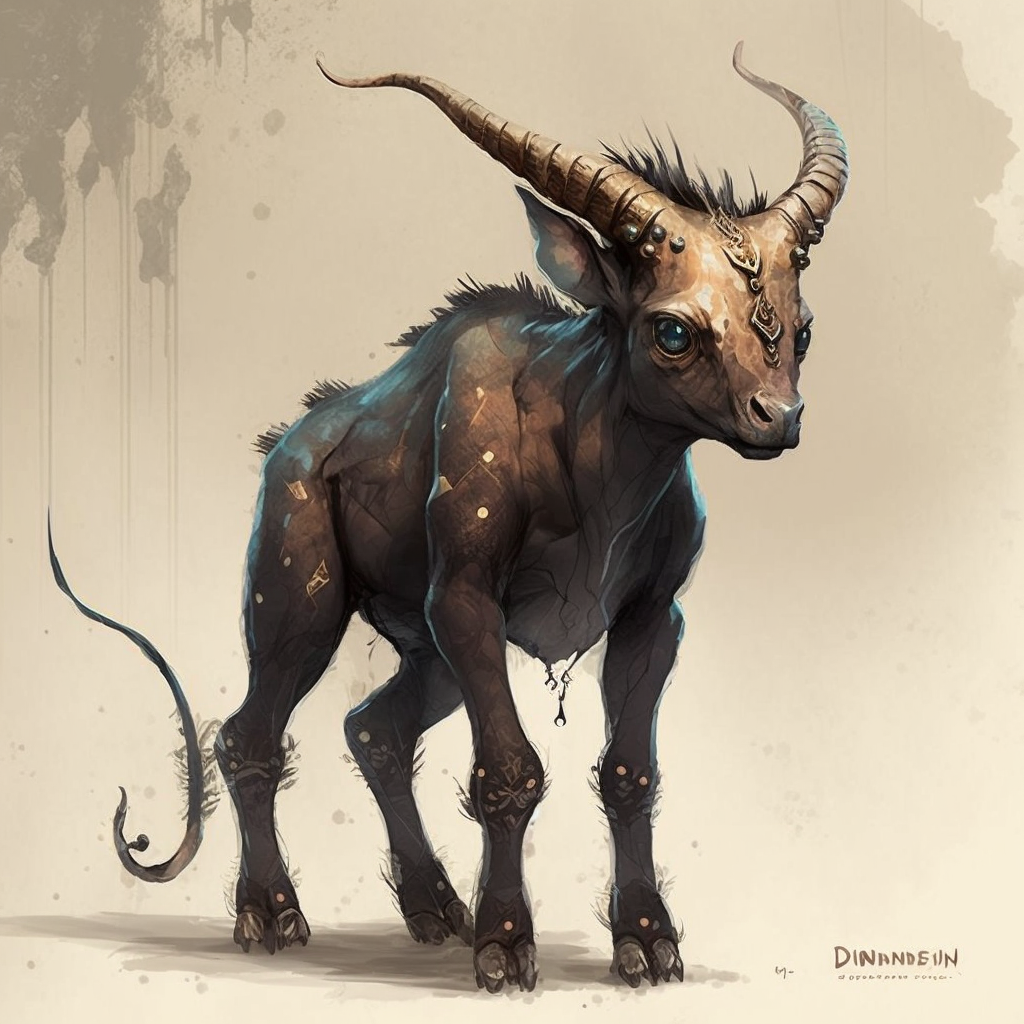
#014 Yogido

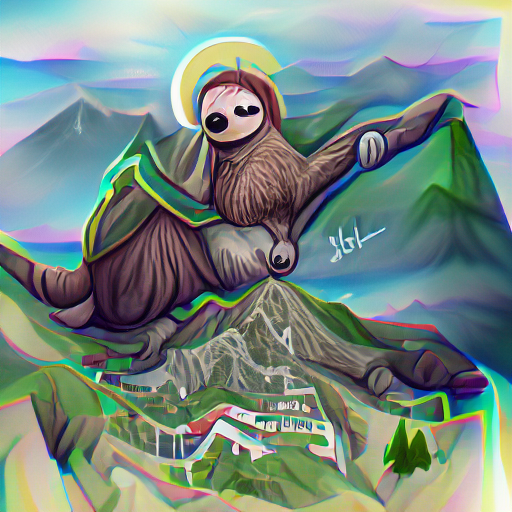
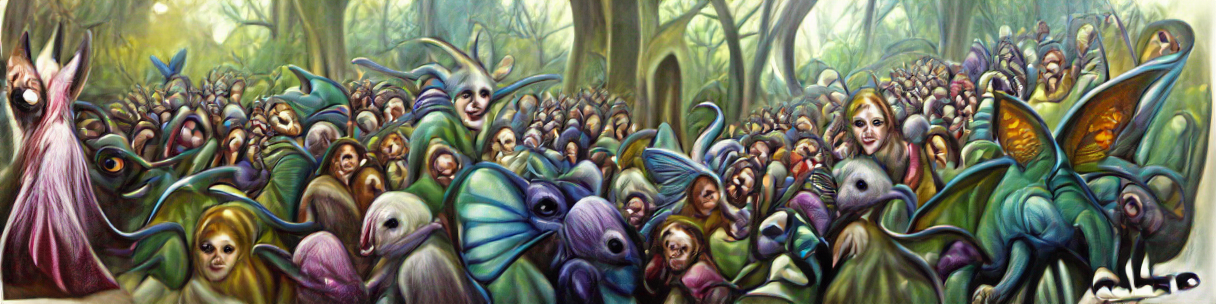
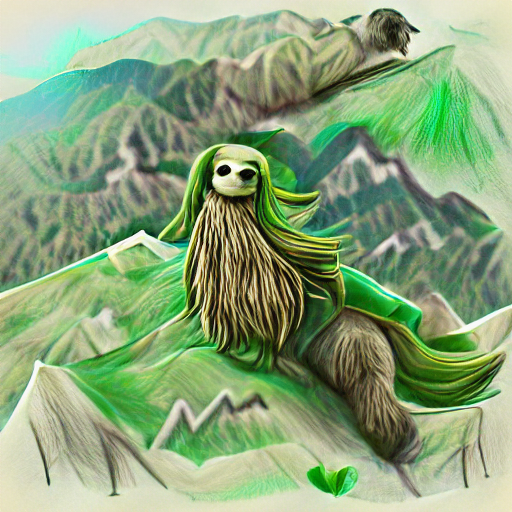
Yogidos are eastern mammoth-goat hybrids that can grow to extreme sizes. It's not uncommon for a town to collectively adopt a Yogido, which can provide substantial fur, fuel, and warmth to the town and — in the case of the most well-trained Yogidos — occasionally hunt for the town, too.

Release Date January 10, 2022
Sign up for a free account to claim this creature as your own.

by ninja
♥ 5

by Andrew
♥ 4

by Andrew
♥ 2

Discover other creatures

Explore an endless universe of ficticious life on NovelGens.
COMMON

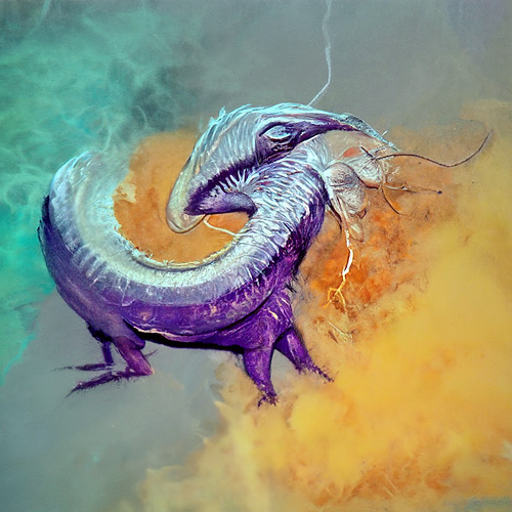
#004 Avahi

Not much is known about where avahis originated, but they migrate in large packs extremely quickly, typically along water-adjacent routes. Their small stature and nimble speed makes them difficult to track and their spiny exterior carapace provide...

COMMON

#048 Dolli Buea

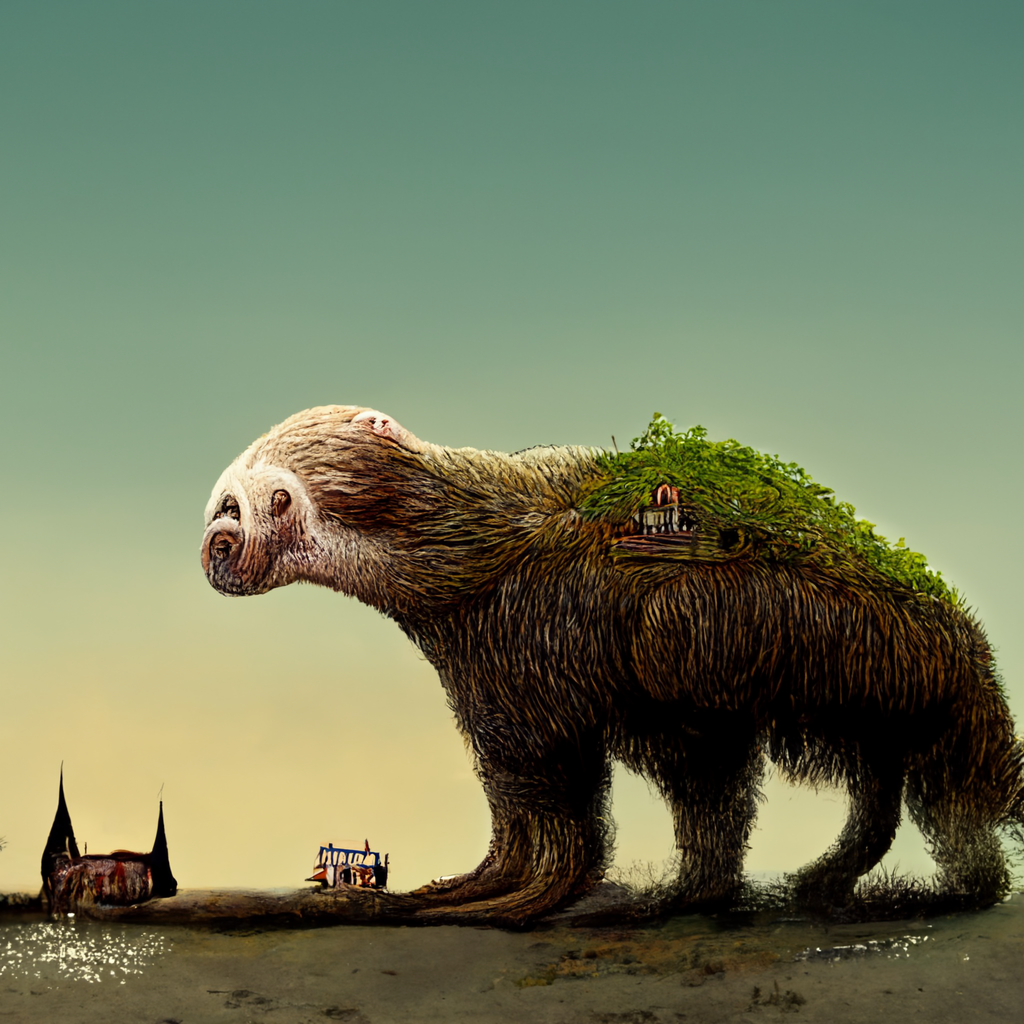
Dolli Buea are large creatures that inhabit the arboral wetlands. While they are generally large in size, they seem to be able to freely swim in even the smallest of puddles and are somehow able to fully submerge themselves and re-emerge in anothe...

RARE

#151 Zamperk

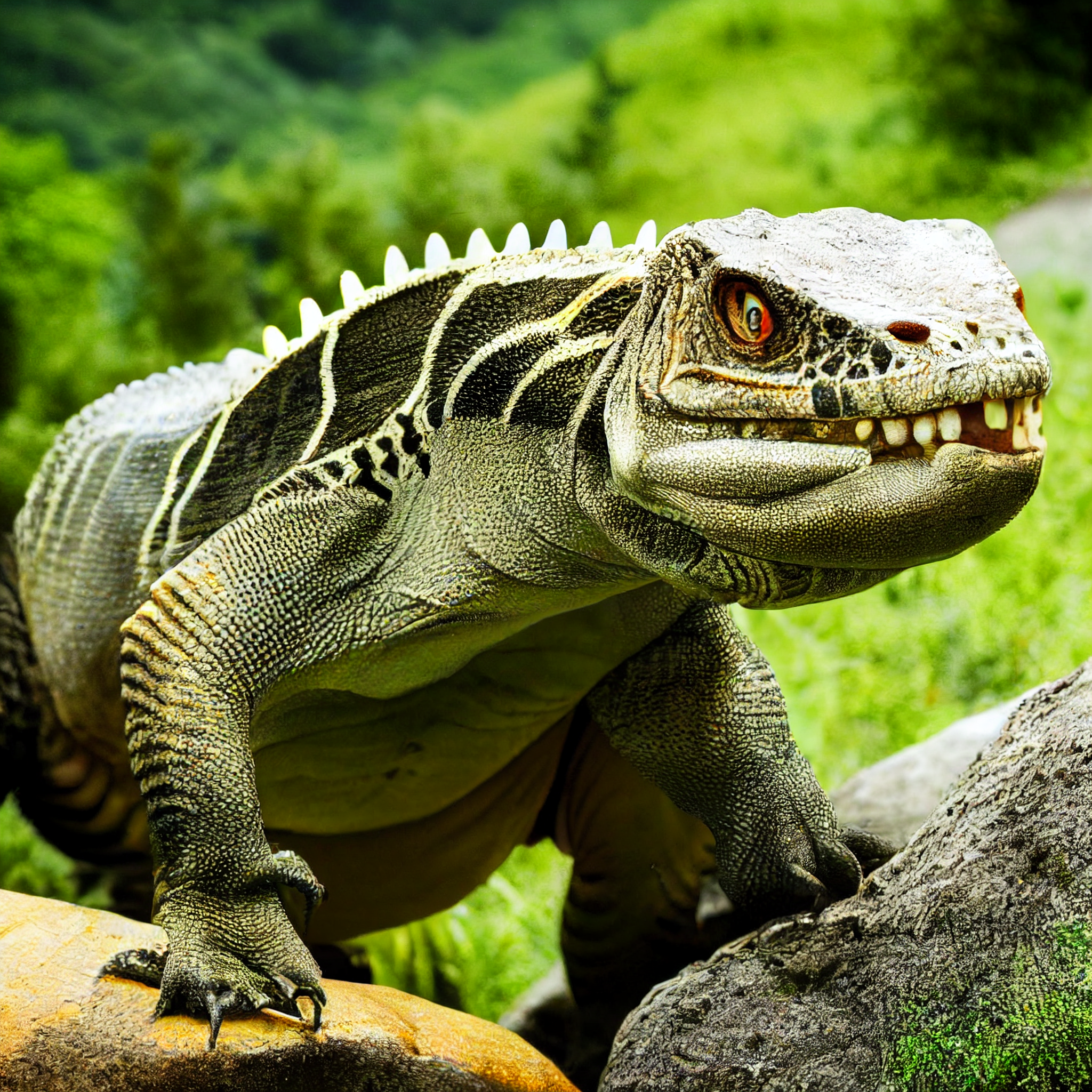
Zamperk are large, powerful creatures related to ancient dragons, but classified as a modern hydra. They are covered in thick dragon scales made of opaque crystals and have large, razor-sharp claws and teeth. They have long, whip-like tails with a...

RARE

#277 Ka'ala'kai

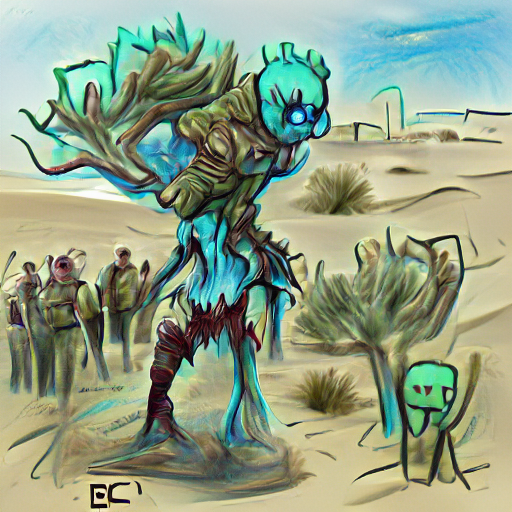
Not much is currently known about the ka'ala'kai. These gigantic, green creatures seem unaffected by life in a vacuum; their systems for mobility aren't yet completely known, as they seem to be able to ignore the effects of gravity (or no gravity)...

COMMON

#275 Foyud

Foyud are small insects that look like perched butterflies. However, foyuds are actually more closely related to arachnids that wear "wings" purely for decoration and dissuading predators. Beneath their wings, foyuds walk on dozens of tiny articul...

UNCOMMON

#301 Saski

The saski is a species of airborn sanni that often can often be found following cumulonimbus clouds, though their migratory patterns have them almost everywhere on the planet at least once a year. Saski have an average length of two hundred feet a...