UNCOMMON

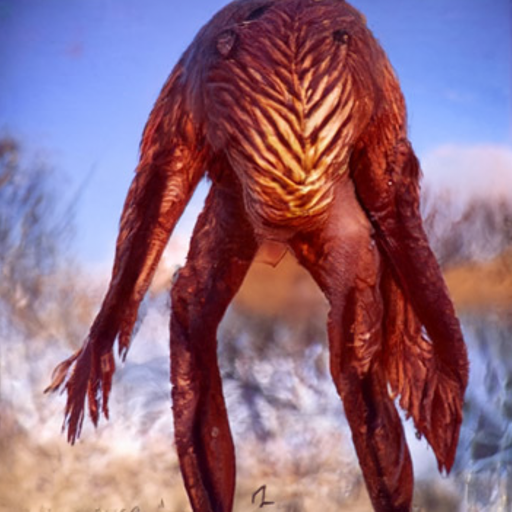
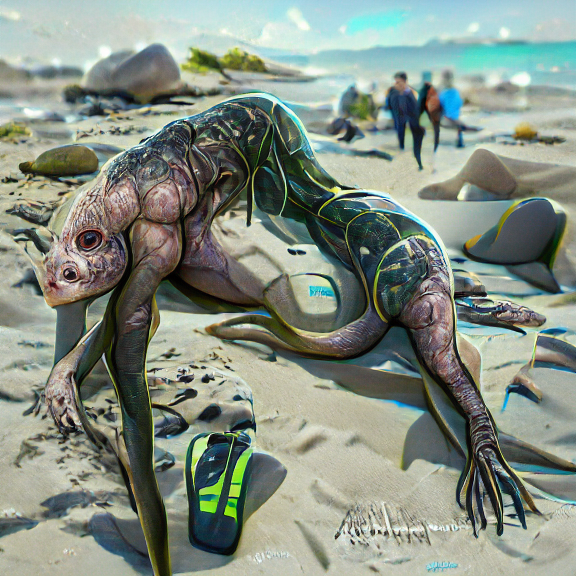
#016 Xylach

Xylaches are sprawling reptilian creatures that tend to migrate toward popular human beaches to feed off the trash and food left behind. Although one xylach could easily match twenty or more people in power, they largely remain docile and, at most, loudly grunt towards beach-goers for scraps. Rather than trying to remove them or going to different beaches, people have largely learned to just ignore xylaches.

Release Date January 12, 2022
Sign up for a free account to claim this creature as your own.

Discover other creatures

Explore an endless universe of ficticious life on NovelGens.

COMMON

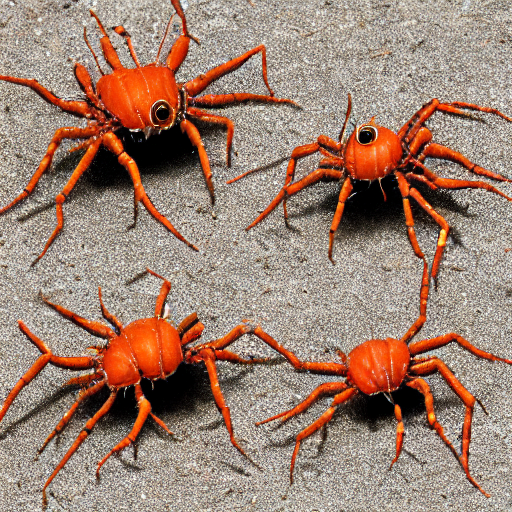
#020 Starbug

Fully-grown starbugs make up the majority of visible lights in the night sky with their planet-sized bodies, but baby starbugs hatch and spend most of their pre-celestial life on abandoned planets until they learn to fly well enough to pierce grav...

COMMON

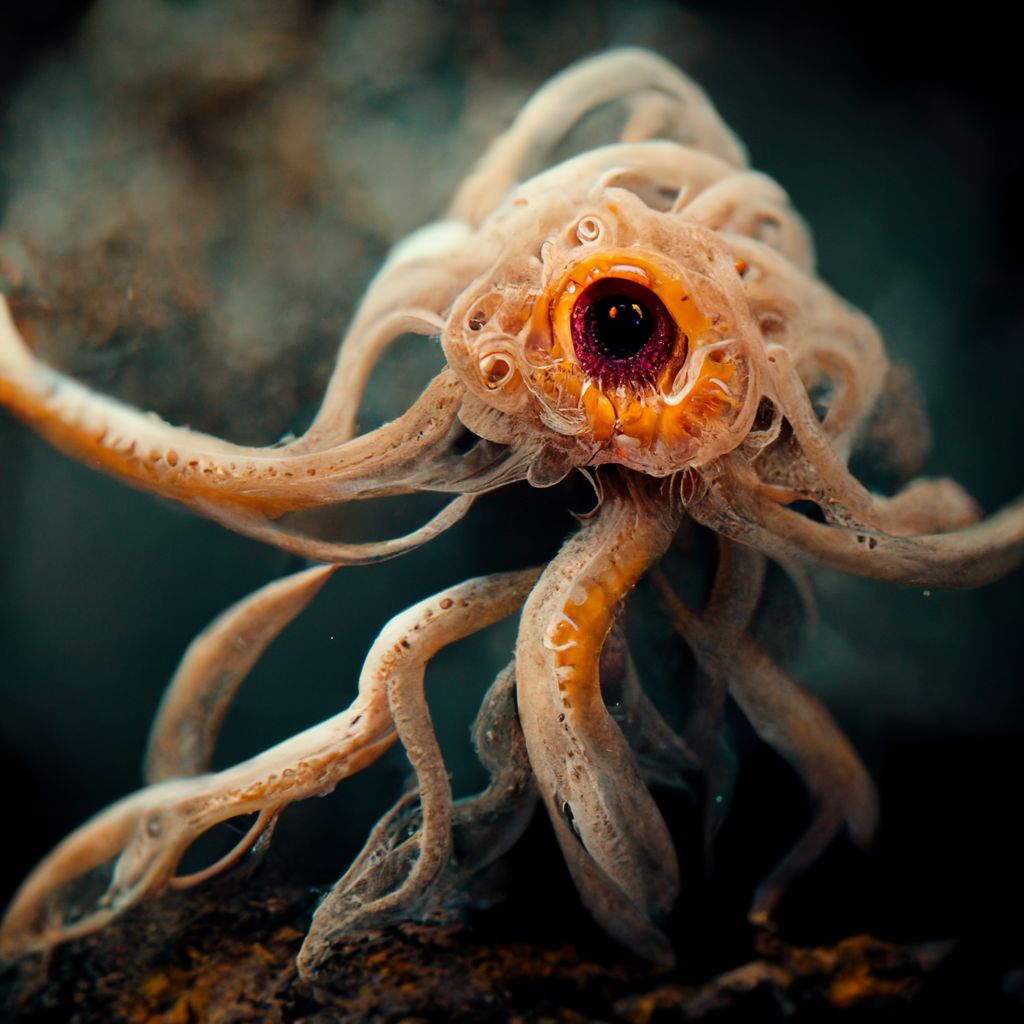
#085 Worgrad

Worgrads are small desert-dwelling creatures that subsist on a diet of insects, light rays, and gusts of desert wind. They are very small, with large, black eyes and soft, sandy-colored fur that feels like sandpaper. Worgrads live in small burrows...

UNIQUE

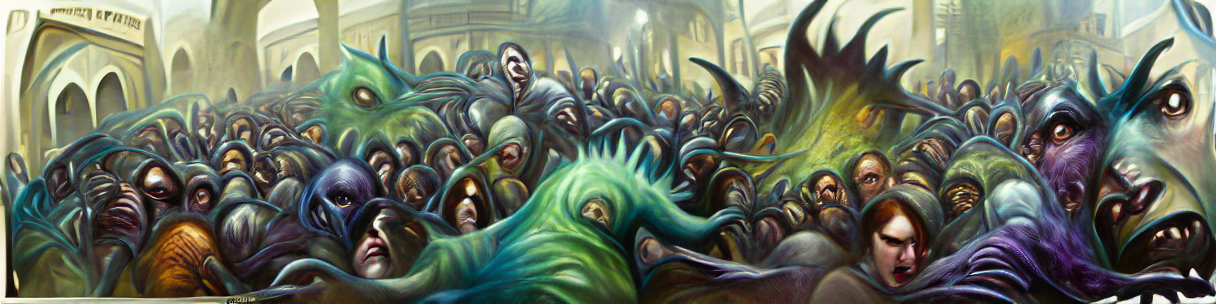
#241 Witango

Witango are large, sturdy crystalline beasts that spend most of their days laying down and enjoying a warm bath in temperate swampwater. They have a hard time getting out of their baths because they are so comfortable, so they employ the help of t...

UNCOMMON

#229 Tehrer

The tehrer is a small, flightless bird originating from volcanic islands in the south. Tehrers are extremely fast runners and use their powerful legs to leap from tree to tree, often reaching airborne heights and speeds such that they unintentiona...

RARE

#225 Astorvega

An astorvega is a slow, lumbering creature covered in a thick, brown fur. It is roughly the same size as a bear and has large, powerful claws on its forelimbs that help it dig through snow or into small holes to sleep. The astorvega is a solitary ...

COMMON

#339 Karkat

Karkats are medium-sized creatures that spend most of their time on the ocean floor, though they will occasionally come to the surface for air. They have hollow bones and two long, nearly prehensile tails that help them to swim quickly. When they ...