UNCOMMON

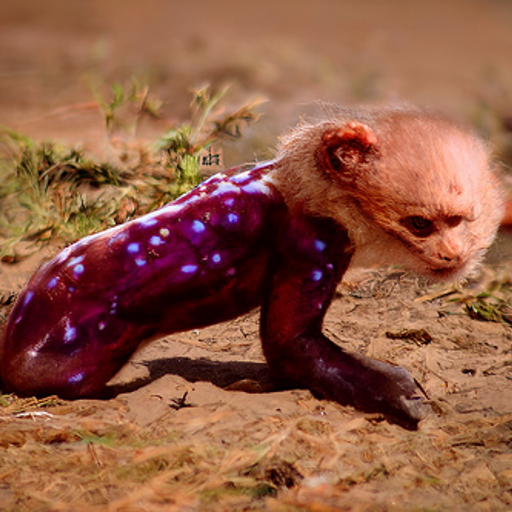
#021 Red Vasamee

The Red Vasamee is a rodent-like creature that is notable for evolving over time to be strictly vegetarian after a meat-bourne illness nearly caused their extinction. These days they prowl through fields looking for seeds and berries, but will also settle for blander meals like grass and plant stalks.

Release Date January 17, 2022
Sign up for a free account to claim this creature as your own.

Discover other creatures

Explore an endless universe of ficticious life on NovelGens.
UNCOMMON

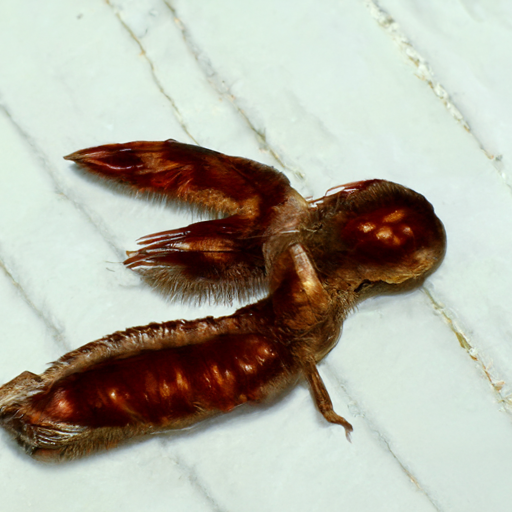
#007 Merm

Merms live in small groups, typically in the deepest reaches of the western oceans. They seem closely related to a potential aquatic fork of human evolution, but scientists haven't yet developed a way to communicate with them.

COMMON

#065 Aetyl Squid

Aetyl squids swim through sand like their aquatic cousins do through water. They survive off a primarily-meat diet that are captured either by trap or a surprise emergence from the sand, dragging their prey back underground. The aetyl squid also m...

RARE

#142 Nethele

Netheles are physical-realm ghosts that are cursed to haunt cities and forests. They are not necessarily evil but are tricksy, always trying to trick the people they encounter into doing something foolish. Netheles don't have mouths, but can speak...

UNCOMMON

#114 Rolglu

Rolglu are large, bristly bears that never stop migrating. They have six legs, detachable paws, and stand about eight feet tall. They are herbivores and will often follow farmers' plows, eating the freshly dug roots and other plants that are uncov...

UNCOMMON

#171 Horsnau

These radioactive snails descend from the common snail but have mutated to grow branching, interconnected shells around long, eel-like bodies. Horsnaus typically live 20-25 years and then die in their shell, which is often too intricate to be reus...

UNIQUE

#374 Panileaf

A rare incubating leaf. When hatched, it's roots suck up all the nutrients in the soil and destroys the plants around it. These plants hatch a hundred years after they are taken out of their mother plant. The size of the leaves depends on how fa...