COMMON

#050 Mahaman

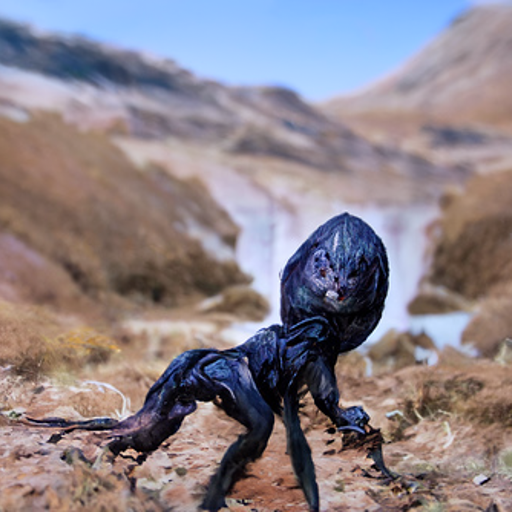
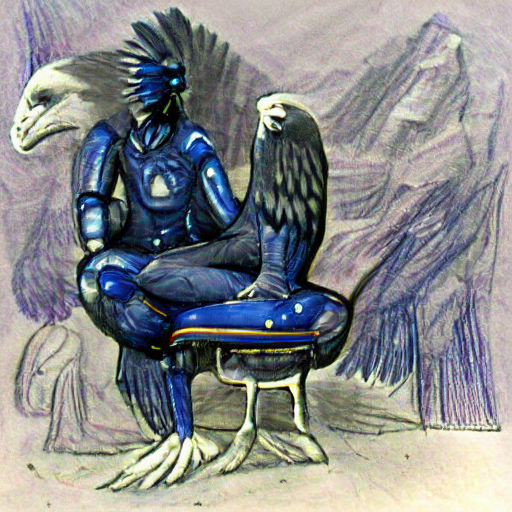
Mahaman that are humanoid birds that exist partially outside of time, which manifests visually with the eponymously-named phenomenon mahamans are known for: superpositions of their body in several simultaneous slices of time appear in tandem to others, which results in creatures that look blurry, morphing, and duplicated.

Release Date February 15, 2022
Sign up for a free account to claim this creature as your own.

Discover other creatures

Explore an endless universe of ficticious life on NovelGens.
COMMON

#025 Baibi

This small monkey navigates long distances by utilizing the bug-like wings on its back and can commonly be seen flying from forest to forest during the day. Their silhouette in flight mimicks those of birds, but birdwatchers with an eye for what t...

COMMON

#230 Pinlup

The humble pinlup is a delightful breed of small animal common in wild areas near human settlements. It's a popular activity for parents to bring their kids out to play with pinlups, providing them with bread and berries to eat; in return, pinlups...

COMMON

#235 Worgant

Worgants are a species of small were-ants that live in packs in the northern forests. They have a symbiotic relationship with the betzkra woodpeckers, who make holes in the bark of trees to get at grubs and other insects, which worgants then turn ...

UNCOMMON

#239 Fyrial

The brilliant fire of a fyrial's eyes can be seen for miles and are the source behind many religious stories originating in ancient deserts. Although they are typically solitary creatures, they will sometimes come together in pairs or small groups...

RARE

#302 Aglolof

Aglolof is a large, winged creature that lives at extremely high altitudes, often above the clouds. It has a long, thin body and enormous wings, attracting many would-be riders to attempt to climb up to their lair, but few survive the journey, bot...

COMMON

#307 Kubup

Kubups are brightly-colored arboreal creatures that can jump up to 100 feet high. They are an important part of forest ecosystems, as they feed on dead tree leaves and recycle them into nutrients for the trees. They typically climb to the very top...