COMMON

#095 Scotty

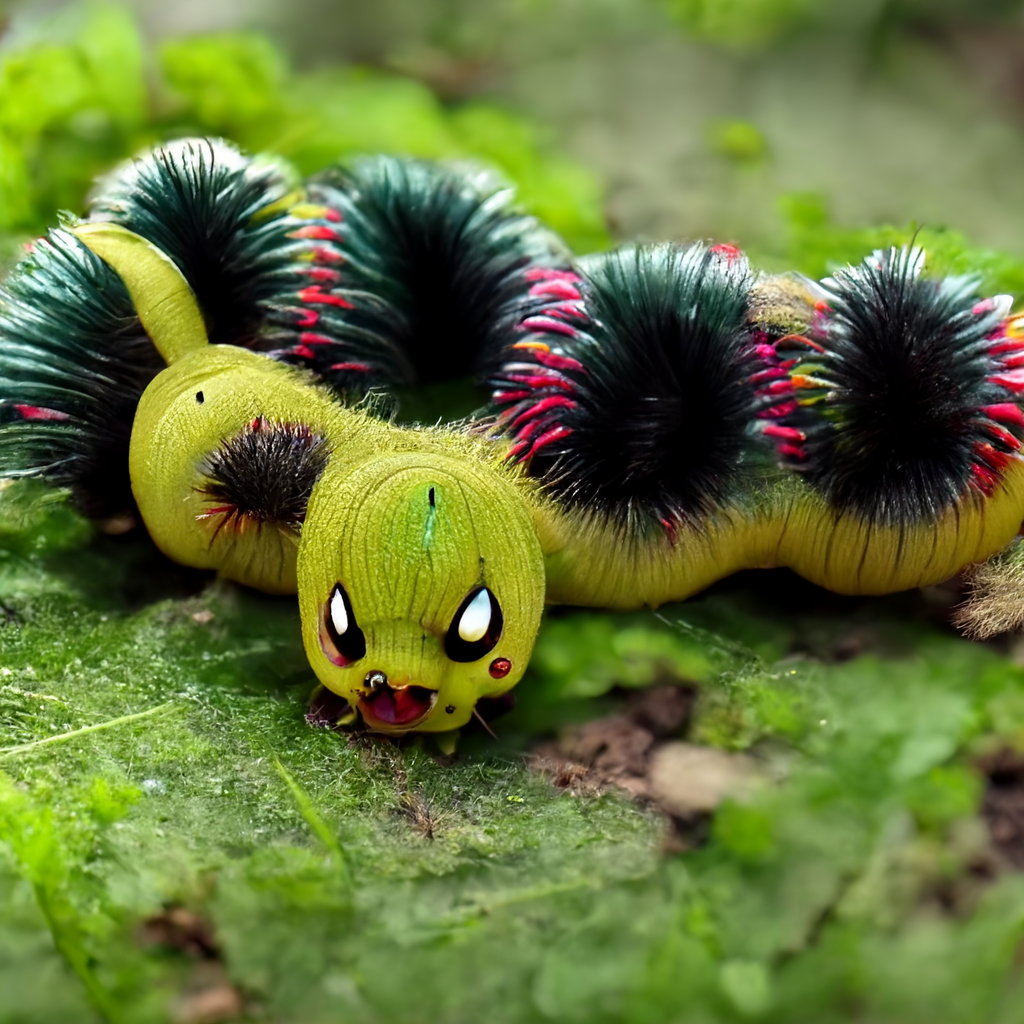
Believe it or not, scotties are actually descendants of dinosaurs! Scientists discovered a fourth classification of dinosaur, subterranean, during the disastrous decades-long journey to drill toward the planet's core for more resources. The scotties now kept as pets are a highly-domesticated breed meant to bring back the nostalgia and companionship of dogs for older generations.

Release Date April 01, 2022
Sign up for a free account to claim this creature as your own.

Discover other creatures

Explore an endless universe of ficticious life on NovelGens.

RARE

#097 Whalewalker

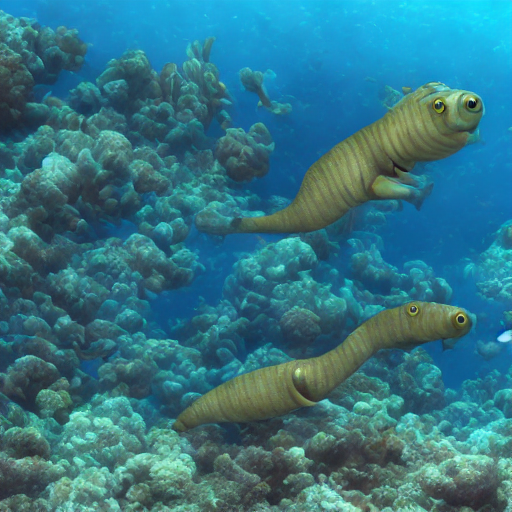
These hulking creatures once dominated the long-lost oceans. As the heat wave intensified and oceans began to evaporate, the first whalewalker ancestors adapted their way onto land. Whalewalkers lay down and open their gigantic mouth, then remain ...

COMMON

#050 Mahaman

Mahaman that are humanoid birds that exist partially outside of time, which manifests visually with the eponymously-named phenomenon mahamans are known for: superpositions of their body in several simultaneous slices of time appear in tandem to ot...

RARE

#181 Gigganda

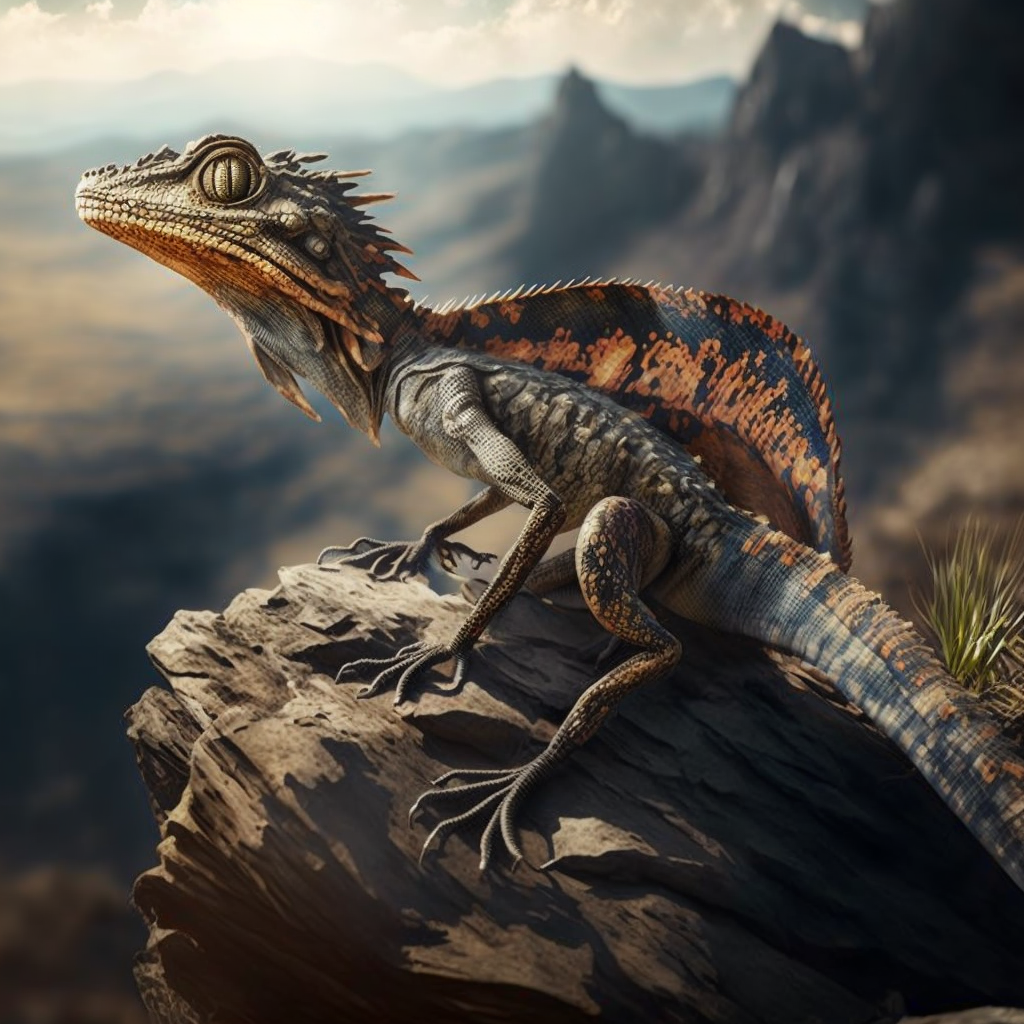
Gigganda are large, mountain-dwelling mammals covered in scales and thick patches of fur, which protect them from both freezing winters and boiling summers. They patrol their mountain dutifully, keeping an inventory of which creatures are on the i...

COMMON

#215 Zemyl

The zemyl is a small and brightly colored mammal that lives in mountain ranges. It has a penchant for collecting rocks, prefers to eat a diet of flowers and insects, and is capable of traveling at great speeds by rolling down hills. If you ever en...

UNCOMMON

#264 Vibulant

Vibulants are massive insects. A single vibulant can be up to 10 feet long and weigh up to half a ton. They can be found in many different environments, including deserts, mountains, and fields. Despite their size, vibulants are generally harmless...

COMMON

#339 Karkat

Karkats are medium-sized creatures that spend most of their time on the ocean floor, though they will occasionally come to the surface for air. They have hollow bones and two long, nearly prehensile tails that help them to swim quickly. When they ...