COMMON

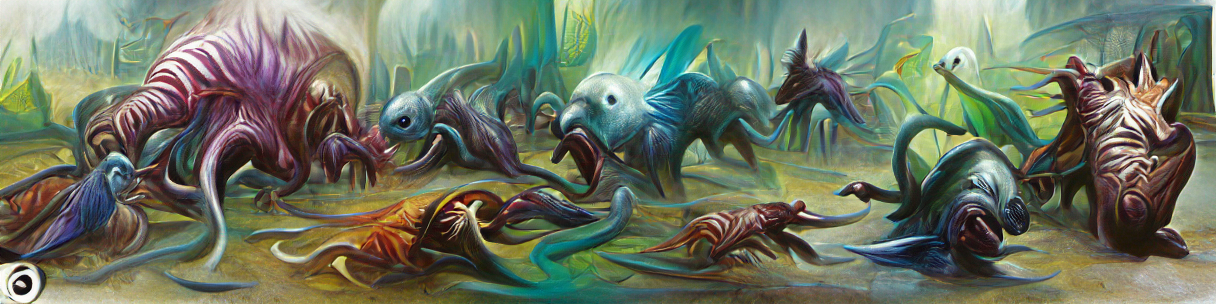
#121 Etorgidur

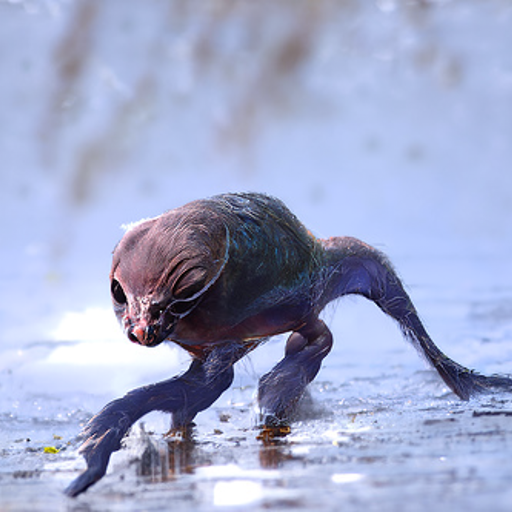
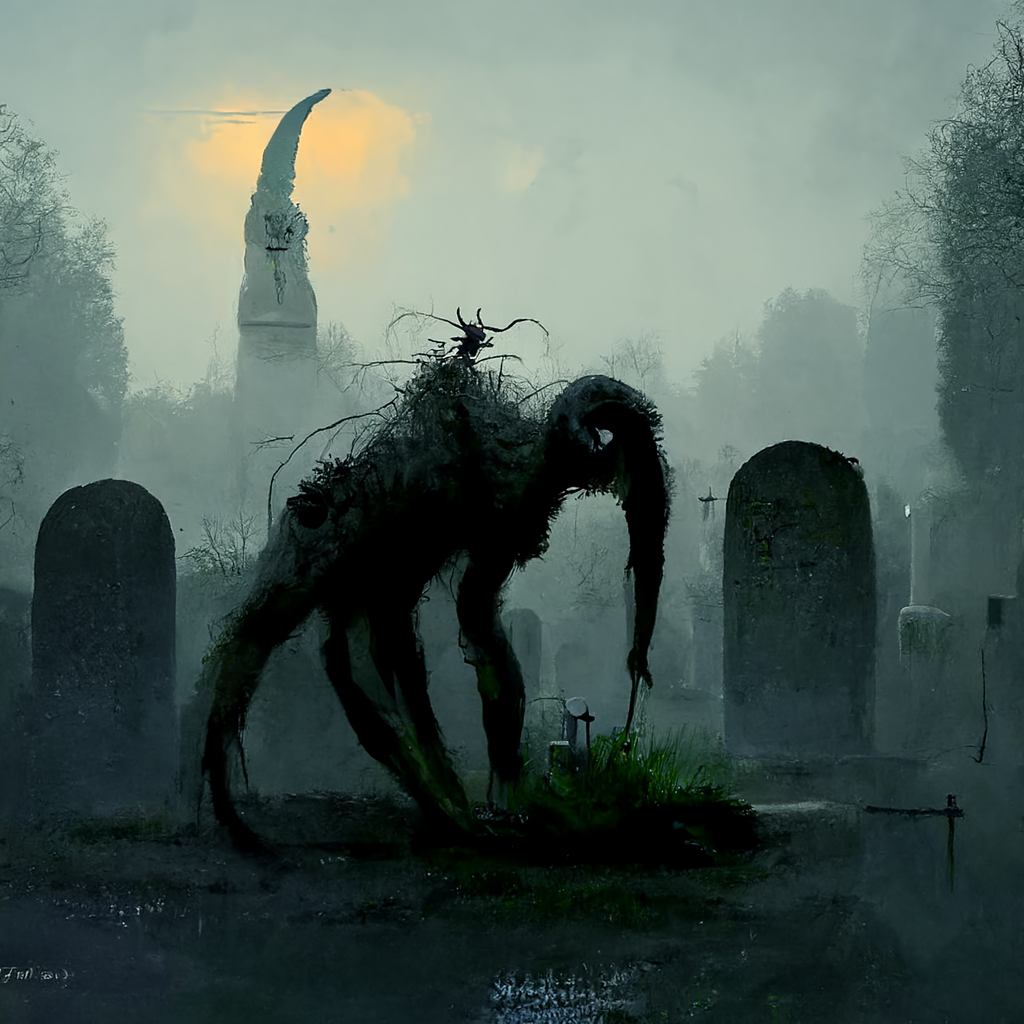
Etorgidurs are some of the largest creatures in the world, reaching heights of up to 100,000 feet. They are very closely related to the fabled etorgs in origin, but take a more ghostly, ethereal form and largely ignore all other forms of life.

Etorgidurs have a much more social lifestyle; they will often gather in groups of up to 50 to eat, sleep, mate, and bask in the ghostly presence of each other. Because they are nonpermeating beings, they can phase through objects in the world and each other, which is what allows so many large etorgidurs to gather at such concentrated locations.

Release Date April 27, 2022
Sign up for a free account to claim this creature as your own.

Discover other creatures

Explore an endless universe of ficticious life on NovelGens.

UNCOMMON

#002 Quixole

This highly-intelligent bug establishes and oversees mutli-special insect colonies using a pheromone that encourages teamwork. Large sales of their serum are government-controlled and extremely expensive, but large cities typically keep at least a...

UNIQUE

#125 Holivax

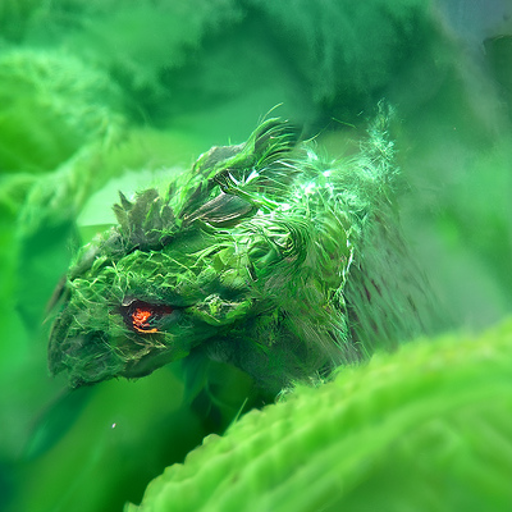
The fabled holivax is a race of ancient colorsapping birds believed to now be extinct, but are widely referred to as exceedingly rare in ancient texts. Holivax are said to leech pigment from their surroundings, taking on hypersaturated colors remi...

RARE

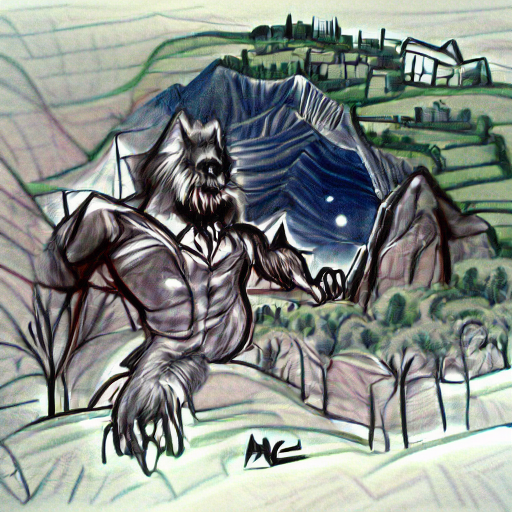
#032 Frestnoch

Frestnoches evolved a thick fur across their abdomen to keep them warm in the harsh northern climates and have a varying amount of large, chitinous spikes protruding from their body that they use as tools to survive in the harsh wilderness. They l...

COMMON

#064 Ytrail

Ytrail are large snail-like creatures found in frozen areas. Their shell is an immaculate conductor of heat, which keeps their body warm on even the coldest days. Domesticated ytrails are often ridden by small children to get to and from school an...

COMMON

#283 Dukrok

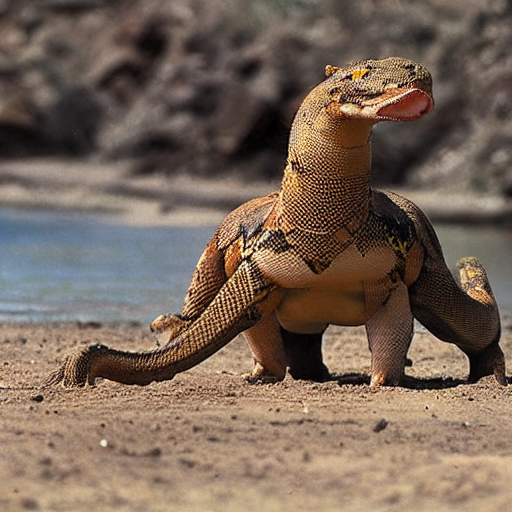
Dukroks are desert-dwelling birds that come in brown, black, and grey variants. They have long, thin legs and use their beaks like pickaxes to mine for insects in the sand. The dukrok will sometimes bury itself in the sand and wait for prey to com...

UNCOMMON

#284 Senjfisk

Senjfisk use thousands of microscopic limbs to move sand around them, enabling them to effectively swim through sand and loose dirt. These nocturnal carnivores also undergo a biological stasis while sleeping, which completely stops all but their m...