UNCOMMON

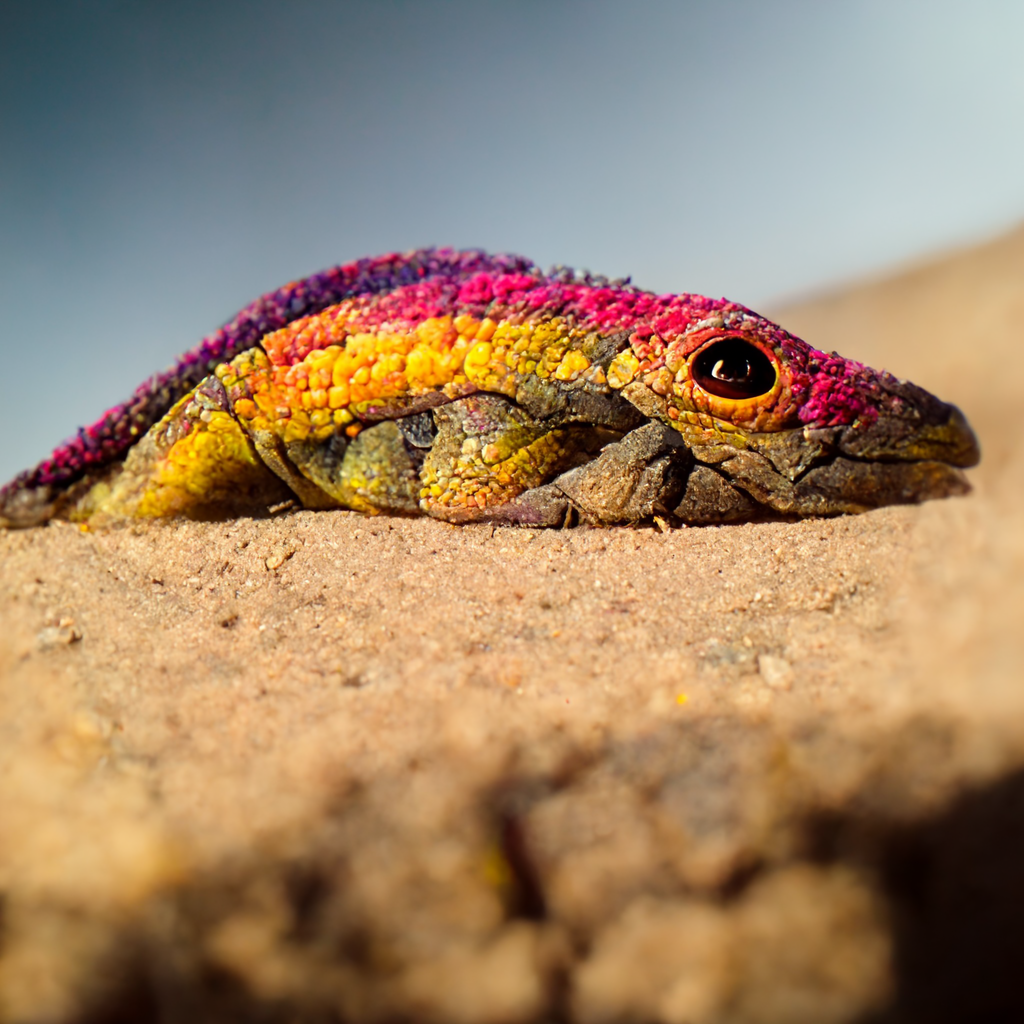
#284 Senjfisk

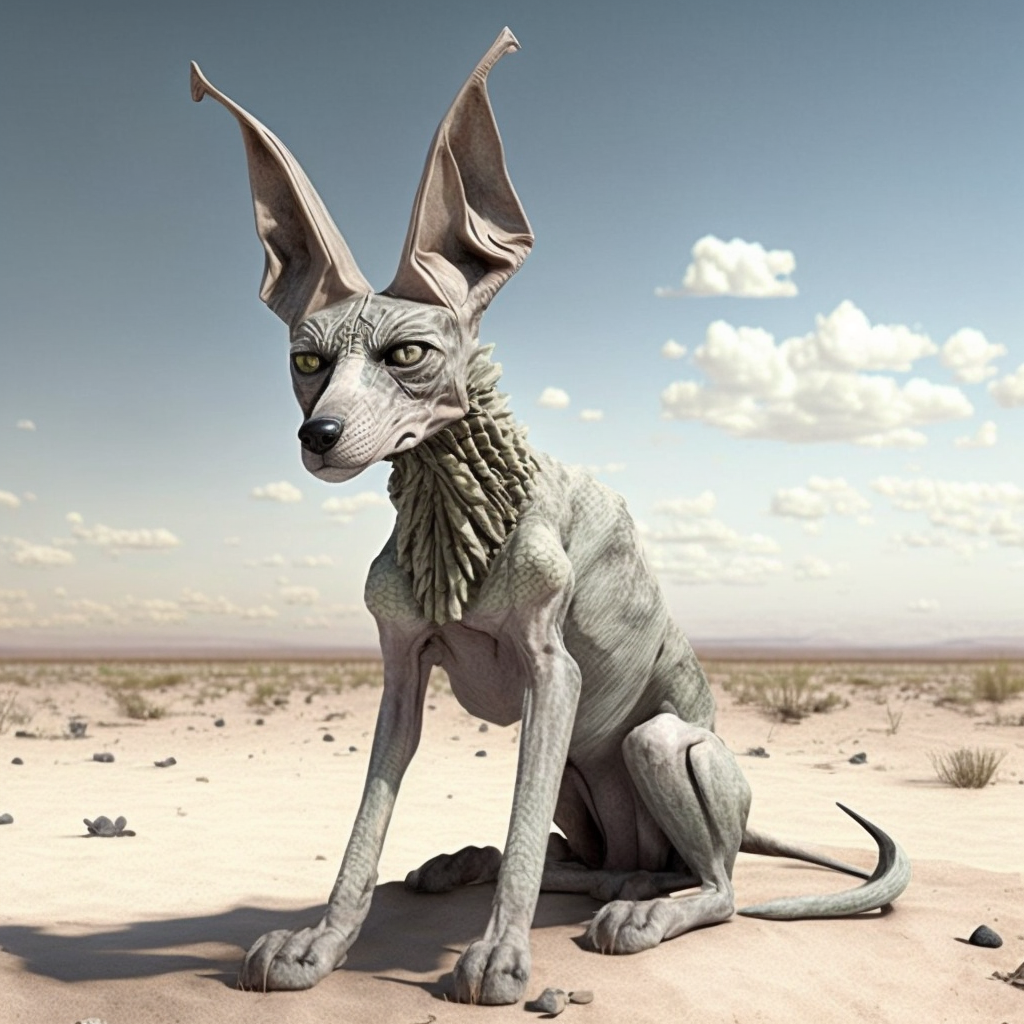
Senjfisk use thousands of microscopic limbs to move sand around them, enabling them to effectively swim through sand and loose dirt. These nocturnal carnivores also undergo a biological stasis while sleeping, which completely stops all but their most vital autonomous functions, including breathing. On particularly hot desert days, senjfisk will often sleep in any oasis nearby, sometimes sleeping underwater for days or weeks at a time.

Found in
Release Date October 07, 2022
Sign up for a free account to claim this creature as your own.

Discover other creatures

Explore an endless universe of ficticious life on NovelGens.
COMMON

#020 Starbug

Fully-grown starbugs make up the majority of visible lights in the night sky with their planet-sized bodies, but baby starbugs hatch and spend most of their pre-celestial life on abandoned planets until they learn to fly well enough to pierce grav...

UNCOMMON

#171 Horsnau

These radioactive snails descend from the common snail but have mutated to grow branching, interconnected shells around long, eel-like bodies. Horsnaus typically live 20-25 years and then die in their shell, which is often too intricate to be reus...

RARE

#277 Ka'ala'kai

Not much is currently known about the ka'ala'kai. These gigantic, green creatures seem unaffected by life in a vacuum; their systems for mobility aren't yet completely known, as they seem to be able to ignore the effects of gravity (or no gravity)...

RARE

#214 Ithant

Ithants are huge, crab-like creatures that can be found in the forests. The sound of their heavy footsteps is sometimes mistaken for the sound of falling trees. Ithants have six legs and are very quiet, only making loud noises when walking. Ithant...

UNCOMMON

#261 Gorgaur

Gorgaurs are a species of multi-legged reptiles common to beaches and the coasts of shallower seas. They are large and aggressive, living in small groups and hoarding small, precious objects that they find. A gorgaur group will typically carve out...

RARE

#372 Alalalalamba

The fearsome alalalalamba has a louder bark than bite, although it can do neither as a toothless mollusk at the bottom of the ocean. Alalalalambas use their immense size to intimidate would-be predators and scare prey into a paralytic submission. ...