RARE

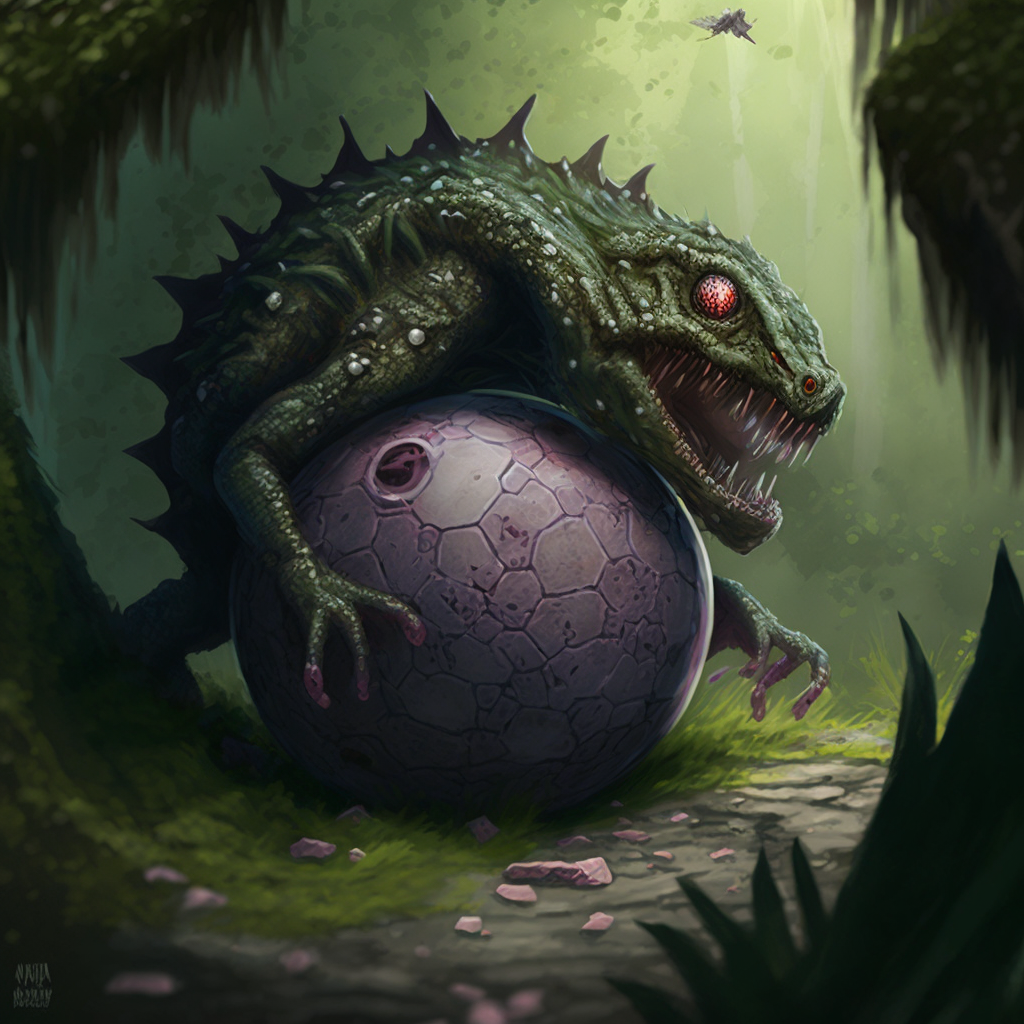
#370 D'eggio

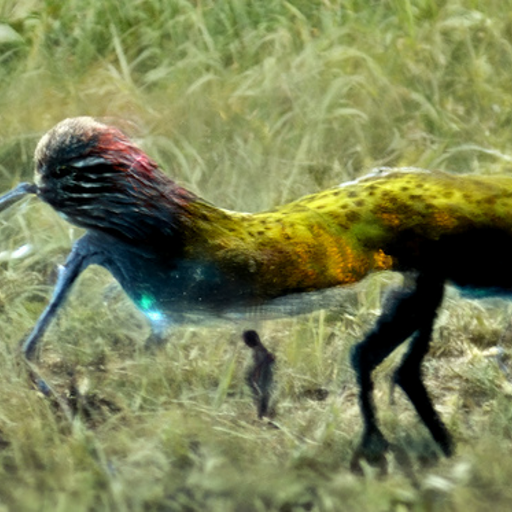
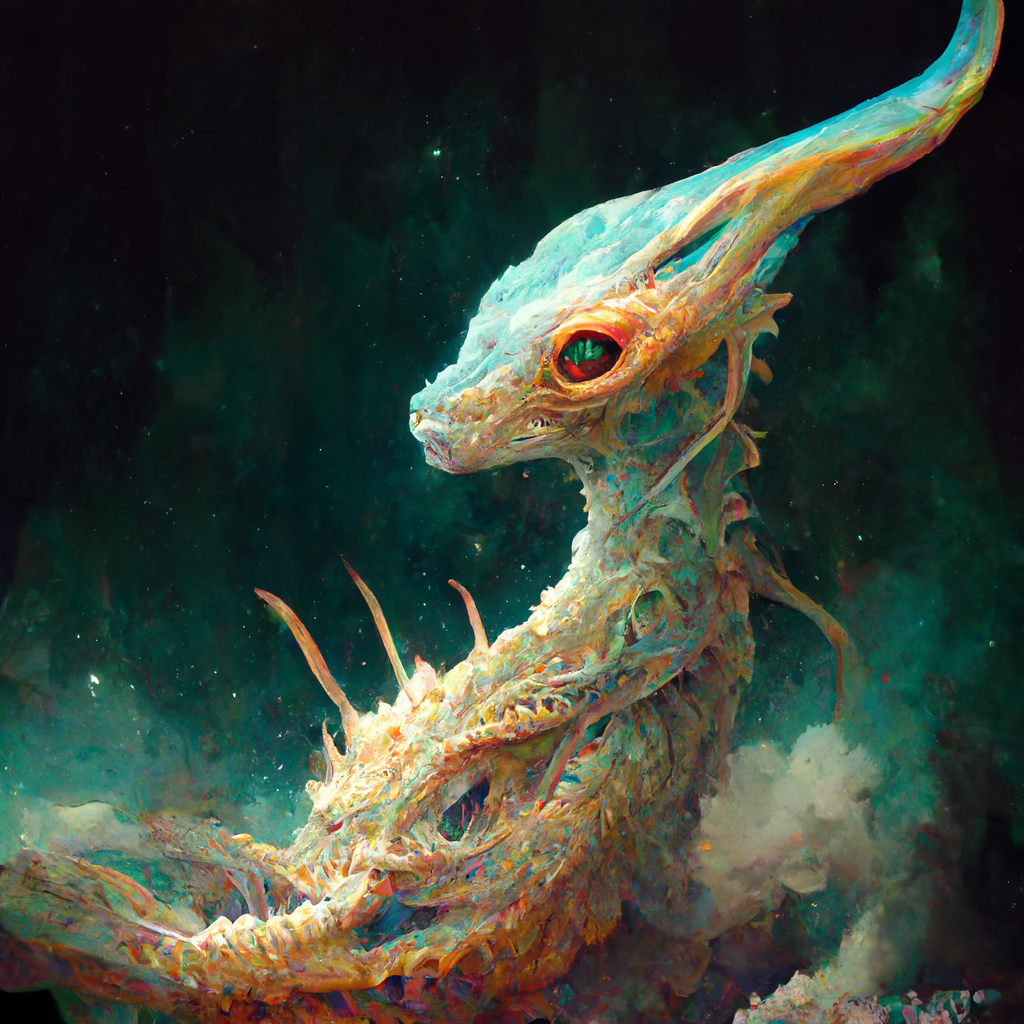
This fearsome matriarch stalks egg-laying creatures in swamps and wetlands until it finds the perfect time to strike, then takes over their prey's egg-laden nest as if it were their own. D'eggios will lay on top of eggs for days or weeks at a time while tendril-like spikes on their underside piece each egg with microscopic holes and inject their own DNA directly into the egg, resulting in abominable mutant creatures that are more like d'eggios than their original species, although both parts often show through. Although most d'eggio offspring don't live long enough to reproduce, some variants can completely take over an entire biome with the right genetics.

Release Date January 04, 2023
Sign up for a free account to claim this creature as your own.

Discover other creatures

Explore an endless universe of ficticious life on NovelGens.

UNCOMMON

#074 Angrenif

Angrenifs are shapeless blobs of living matter that can be found in the deserts of the world. They are extremely resilient and can survive for years without water or food, instead drawing their energy from the heat of the desert. When an angrenif ...

RARE

#107 Vlaughd

Vlaughd are demonic-looking, bat-winged desert creatures. They have extremely long prehensile tongues and their saliva is acidic enough to corrode metal. They have razor-sharp teeth and large, blood-red eyes. They are highly carnivorous and will a...

COMMON

#088 Fustonin

Fustonins are small, blue birds that live near active volcanoes. They are extremely light and can fly at speeds of up to 300 mph. They have no beaks and instead use the hard, pointed end of their shoulder to peck at the sides of a volcano and pry ...

UNCOMMON

#236 Squeebl

Squeebls were first domesticated at the turn of the last century to be an aquatic pet used to symbolize world adventuring among the upper class, but have since become a popular staple in all kinds of households due to their simple care instruction...

COMMON

#166 Zaigarch

Zaigarchs are translucent jellyfish-like creatures that live in the magma chambers of their planet. They have bioluminescent organs that allow them to be seen in the dark recesses of their native caves, and the light they emit provides ocular nutr...

UNCOMMON

#284 Senjfisk

Senjfisk use thousands of microscopic limbs to move sand around them, enabling them to effectively swim through sand and loose dirt. These nocturnal carnivores also undergo a biological stasis while sleeping, which completely stops all but their m...