UNIQUE

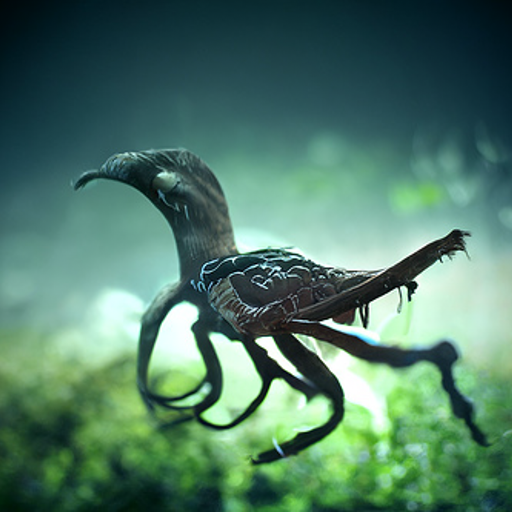
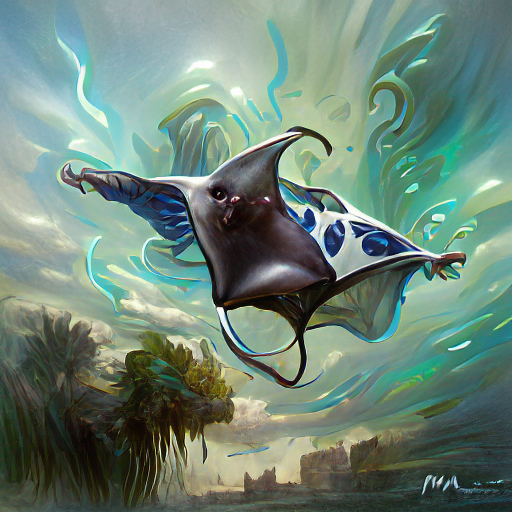
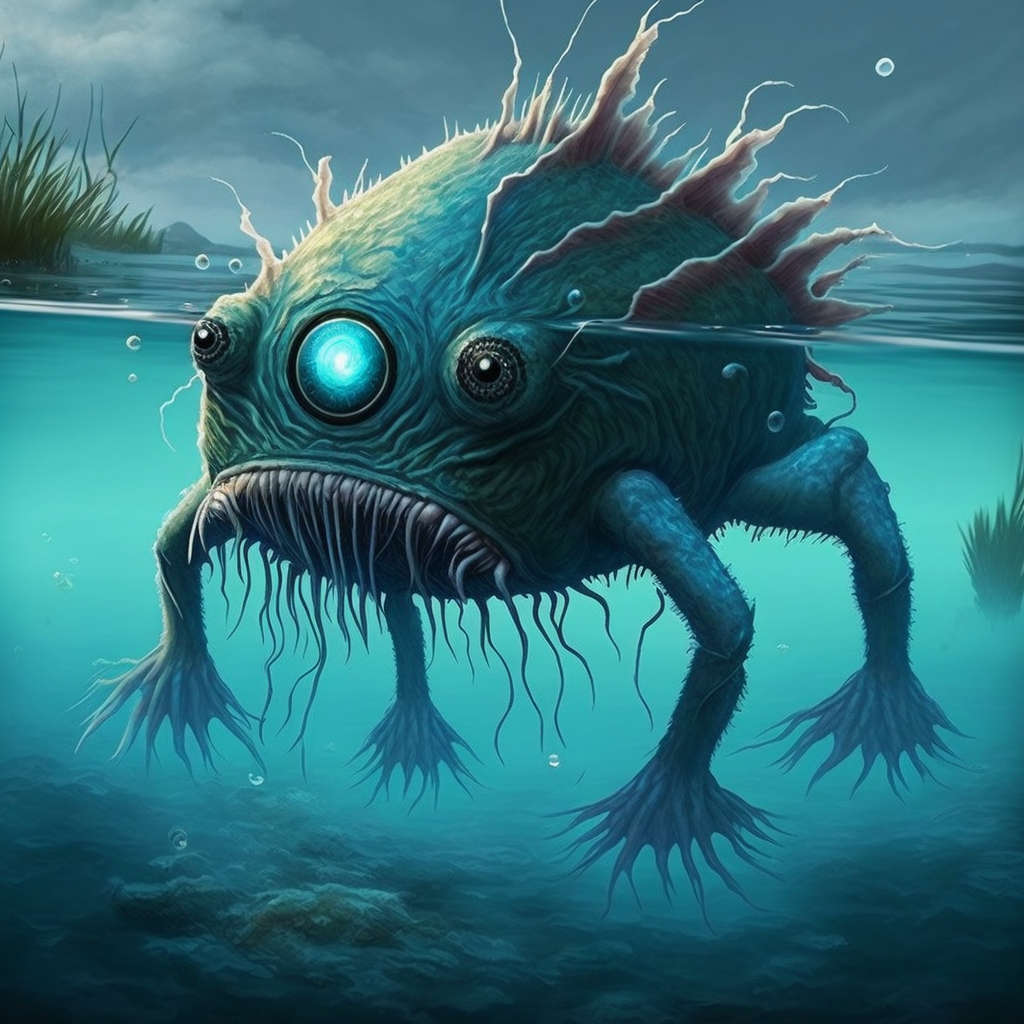
#040 Menta

Menta tunnel their long, fish-looking tails through the seafloor and bait larger fish into biting it. The menta use a low-level form of mind control to then will the fish into the real menta body's mouth. Mentas have no known age or size limit and seem to grow 1-2 additional tails every decade, which continue to grow in length over time and can be independently controlled.

Found in
Release Date February 05, 2022
Sign up for a free account to claim this creature as your own.

Discover other creatures

Explore an endless universe of ficticious life on NovelGens.
UNCOMMON

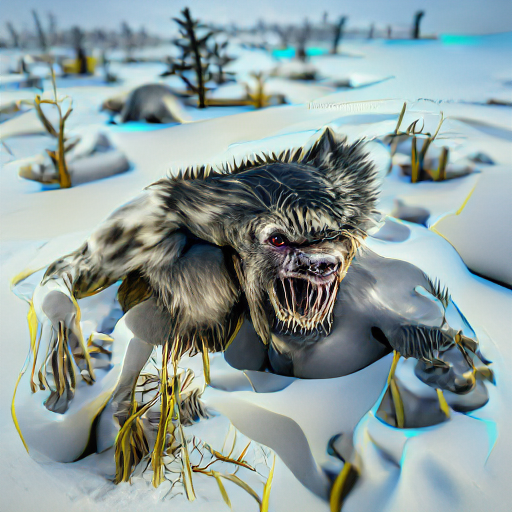
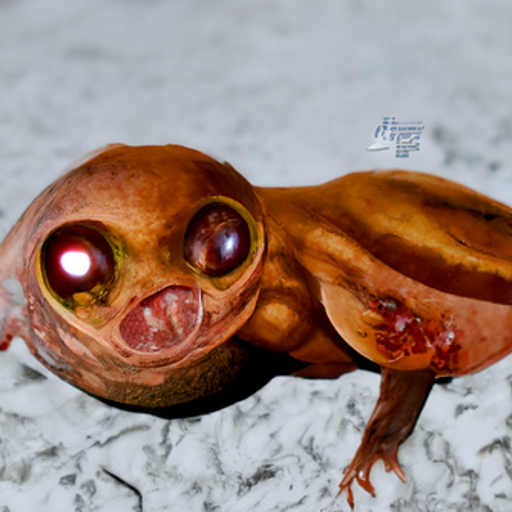
#180 Scordul

Scorduls are large, slow-moving amorphous blobs of flesh and bone that live in the forest. They are nocturnal and will often hide in caves or behind rocks, waiting for prey to come close. They can also camouflage themselves by changing their shape...

UNIQUE

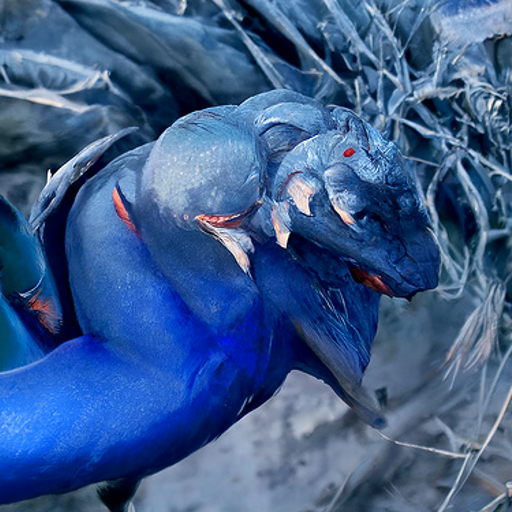
#357 Senna

It seems like the average senna lifespan is longer than that of the universes it inhabits. This large, snake-like creature has somehow evolved a form of inter-dimensional travel to escape the inevitable heat death of most universes. Sennae are unf...

RARE

#214 Ithant

Ithants are huge, crab-like creatures that can be found in the forests. The sound of their heavy footsteps is sometimes mistaken for the sound of falling trees. Ithants have six legs and are very quiet, only making loud noises when walking. Ithant...

RARE

#267 Groxus

The groxus is the largest known insect in the world. They can grow to be 300 feet long and weigh up to 60 tons. Groxuses are nocturnal, feeding on large mammals and each other. They can be found in forests and deserts throughout the world. Because...

RARE

#331 Vok'til

Vok'til are a rare race of reptile that can sometimes be found in dormant volcanos and other warm, cavernous mountains. Although they have small wings, they are incapable of flight; rather, they use their wings to aerodynamically change directions...

COMMON

#351 Volly

Volly are sturdy, four-legged mammals that live on lush mountaintops, peacefully grazing on grass, flowers, and small mushrooms. Centuries ago, volly were almost entirely domesticated and bred for their restorative tears; over time, however, the h...