UNCOMMON

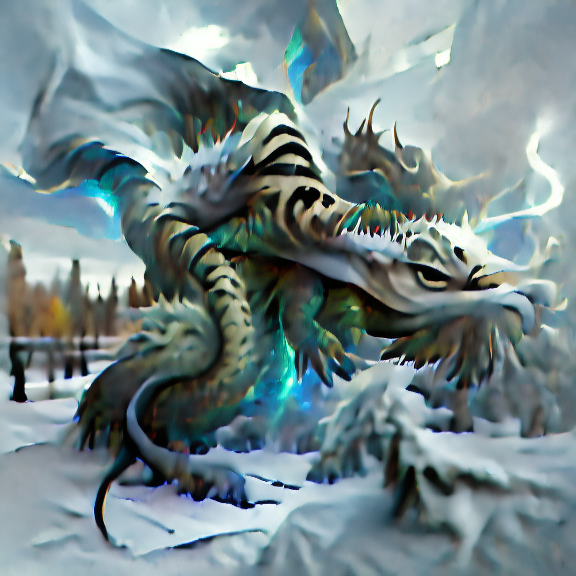
#094 Dryph

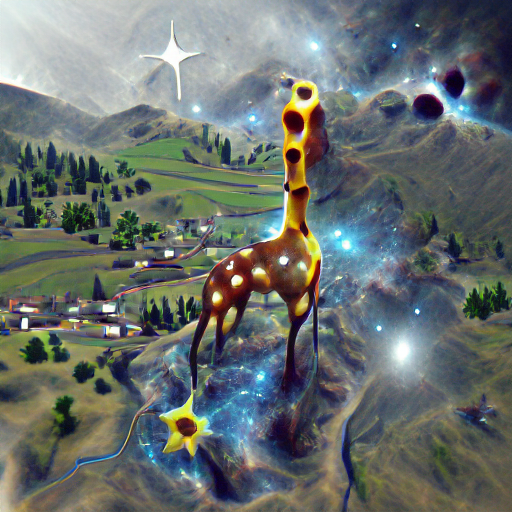
Dryphs are a rare and elusive type of creature. They are said to be born from the clouds, and are occasionally seen floating above them. They levitate high in the air, intently watching life on the surface. Their whiskers are said to provide longevity and health when steeped in tea and their soft, fuzzy hide makes for beautiful garments and gowns.

Found in
Release Date March 31, 2022
Sign up for a free account to claim this creature as your own.

Discover other creatures

Explore an endless universe of ficticious life on NovelGens.
UNCOMMON

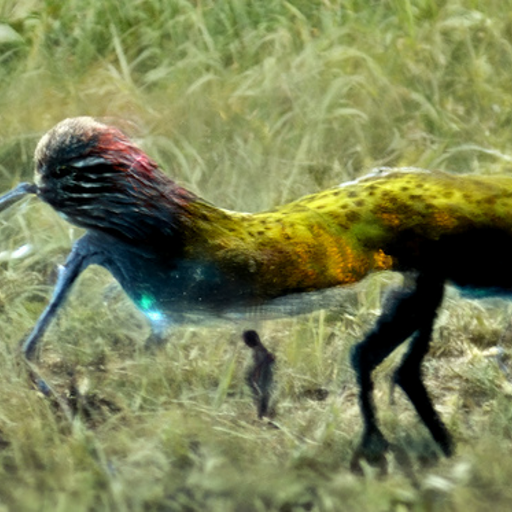
#015 Verdebird

Weirdly, verdebirds glow a bright green color while also only being visible in the direct shadows of light passing through green-tinted glass, making it a rarity to actually observe one outside of controlled conditions. It's said that witnessing o...

COMMON

#279 Musrusqua

Musrusquas are small, intelligent mammals slightly resembling molerats who live in and under forests. Musrusqua skin is made of a durable chitin scaling that make them incredibly resilient to predators. These small creatures are best known by adve...

COMMON

#090 Ekkast

The ekkast is a vicious creature that moves on eight legs but can slither through loose ground like a snake, and often feasts on large mammals. While young ekkasts are small enough to use natural rock structures for protection, the adult ekkasts b...

UNCOMMON

#170 Hevvet

Hevvets are intelligent, house-sized horse-like creatures that frequent the snowy tundras and far north. Hevvets were historically unfriendly creatures—aggressively attacking anyone near their homogenous cities—until a large war broke out in the r...

UNCOMMON

#271 Frost Skrayll

Frost skrayll genetically diverged from the common skrayll during the Great Frosting, where their highly-malleable bodies adapted to changing weather conditions. Frost skrayll secrete a slimy substance that freezes instantly when exposed to air, w...

COMMON

#259 Gghun'vur

Gghun'vur are small insects with 13 legs that live in the coldest frozen tundras in the world. Their internal body temperature is very close to absolute zero, which severely limits the temperatures they can survive in; harsh, freezing temperatures...