RARE

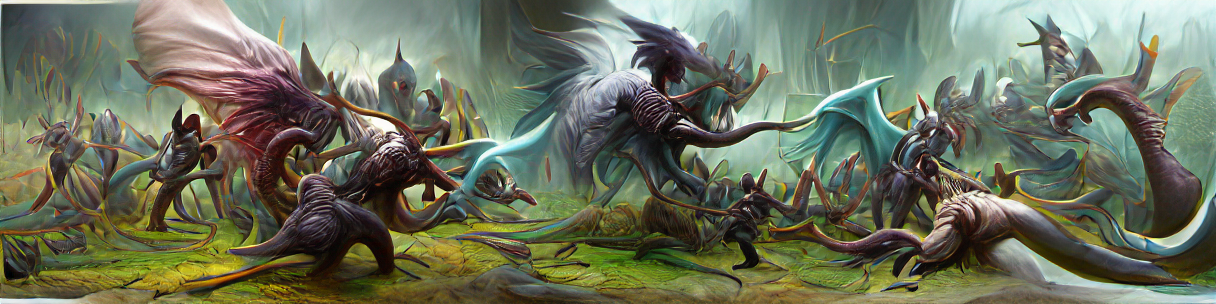
#030 Urryn-ast

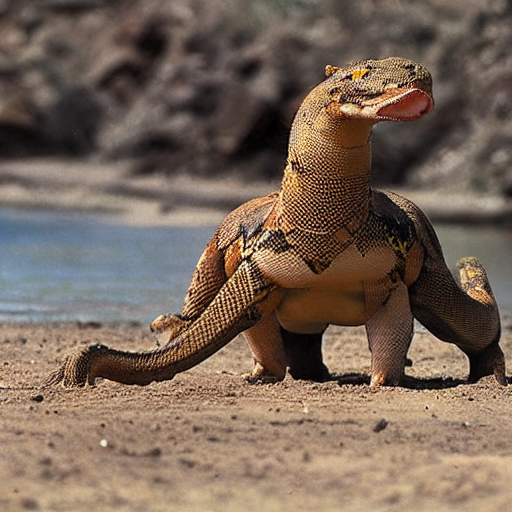
Urryn-ast are always on the hunt for humans on the verge of death and will track their prey for days at a time. They consume deceased bodies whole and, in doing so, memorize a sequence of the consumed DNA as a part of their complex digestive process. After their feast, Urryn-ast will often shapeshift into the consumed creature and retrace their path back to others, hoping to get closer to their next meal.

Release Date January 26, 2022
Sign up for a free account to claim this creature as your own.

Discover other creatures

Explore an endless universe of ficticious life on NovelGens.
UNCOMMON

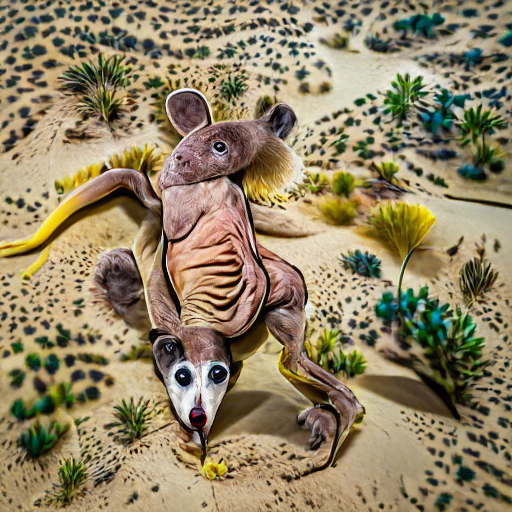
#005 Thabu

Thabus are hulking creatures of ancient history that have survived over time by melding with mountains and hibernating. They awake every thousand or so years to see if the world is a better place, but a thabu invariably goes back to sleep after ea...

RARE

#011 Ssene

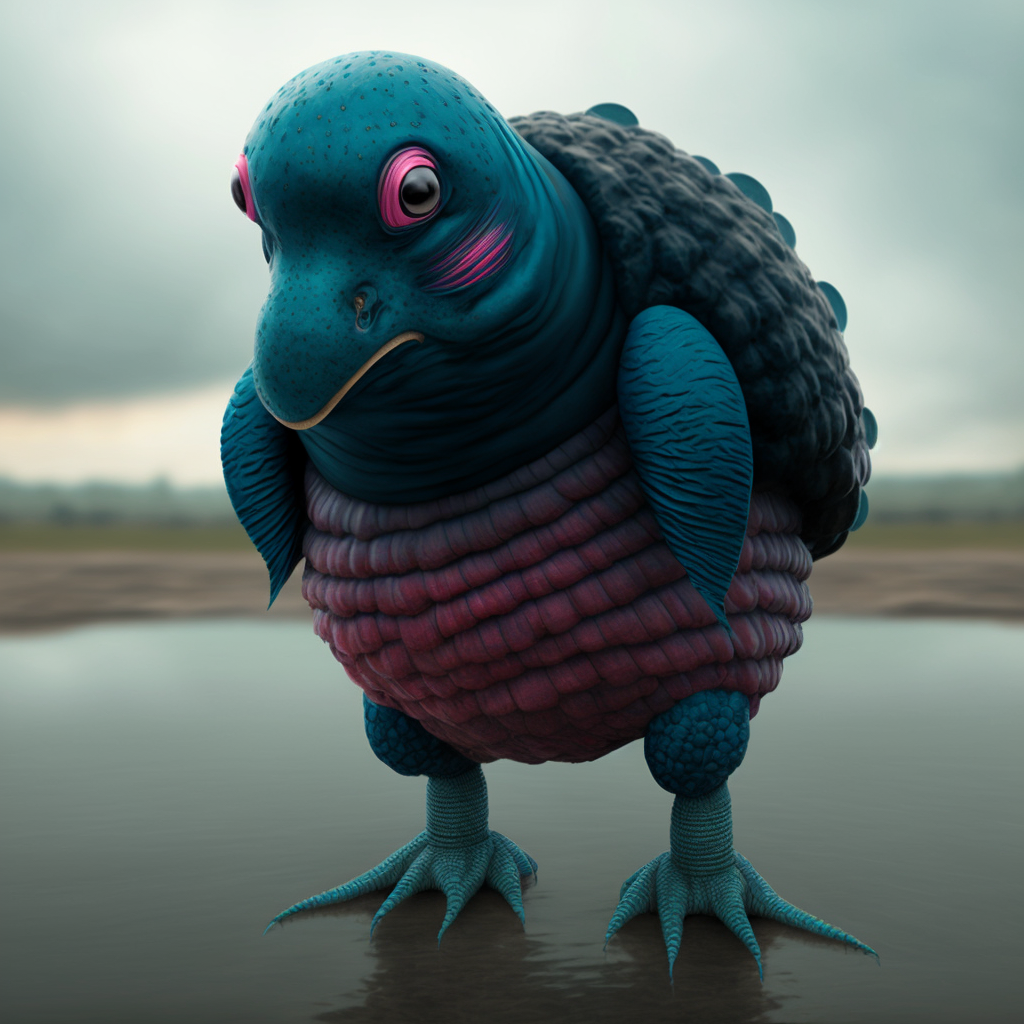
Ssenes are strange, shapeshifting creatures that configure parts of their body to mimic specific features of any creatures they see, rather than transforming into a copy of their whole body. This "bioremixing" property typically results in horribl...

UNCOMMON

#041 Weiffalo

Weiffalo produce a seasonal wool that is as light as clouds. When Weiffalo have thick, natural coats, they love to ride strong gusts of wind around open fields, often bumping into each other both in the air and upon landing. Weiffalo also love to ...

COMMON

#126 Fexodo

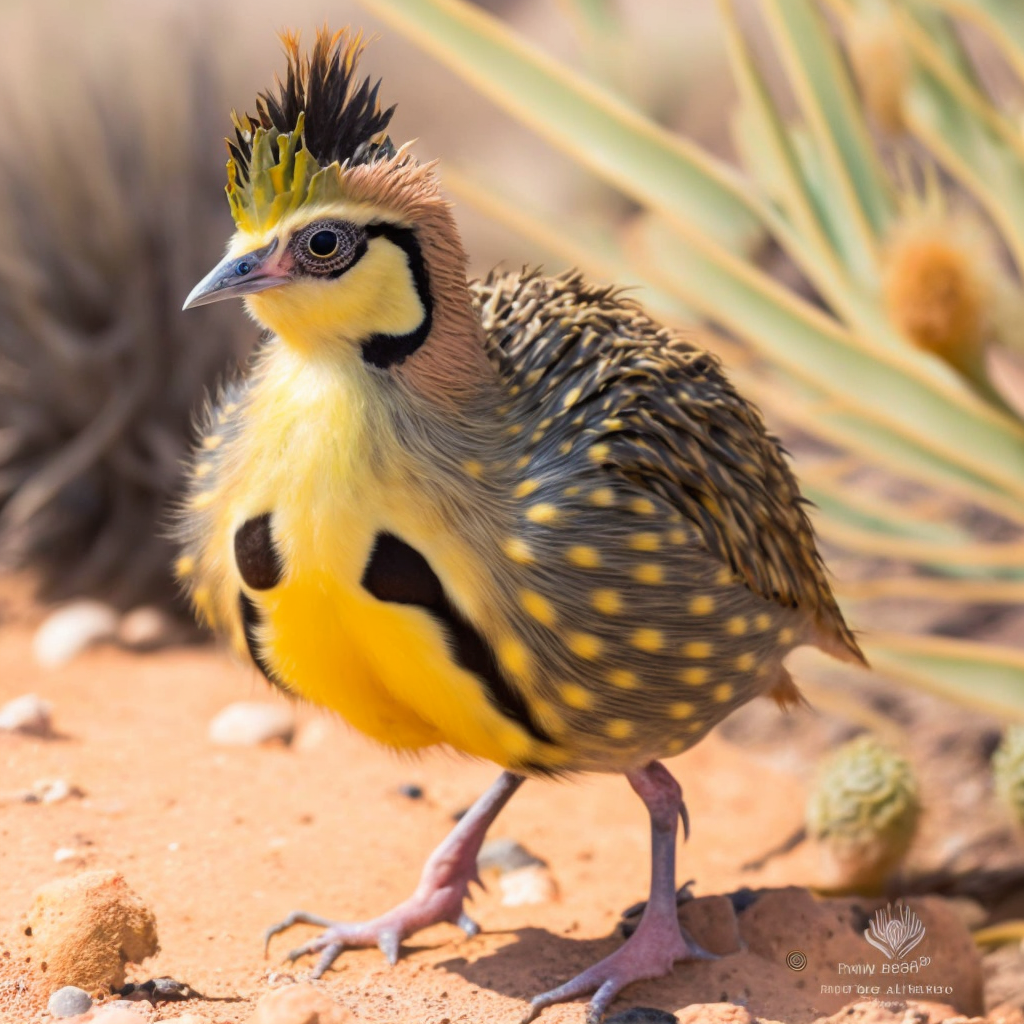
Fexodos are small, furry animals that somewhat resemble a cross between a bat and a mouse. They live in herds of around fifteen and need very little food, subsisting mainly on insects and fruits. Fexodos are social and affectionate animals, and ar...

COMMON

#064 Ytrail

Ytrail are large snail-like creatures found in frozen areas. Their shell is an immaculate conductor of heat, which keeps their body warm on even the coldest days. Domesticated ytrails are often ridden by small children to get to and from school an...

RARE

#191 Sabbi san

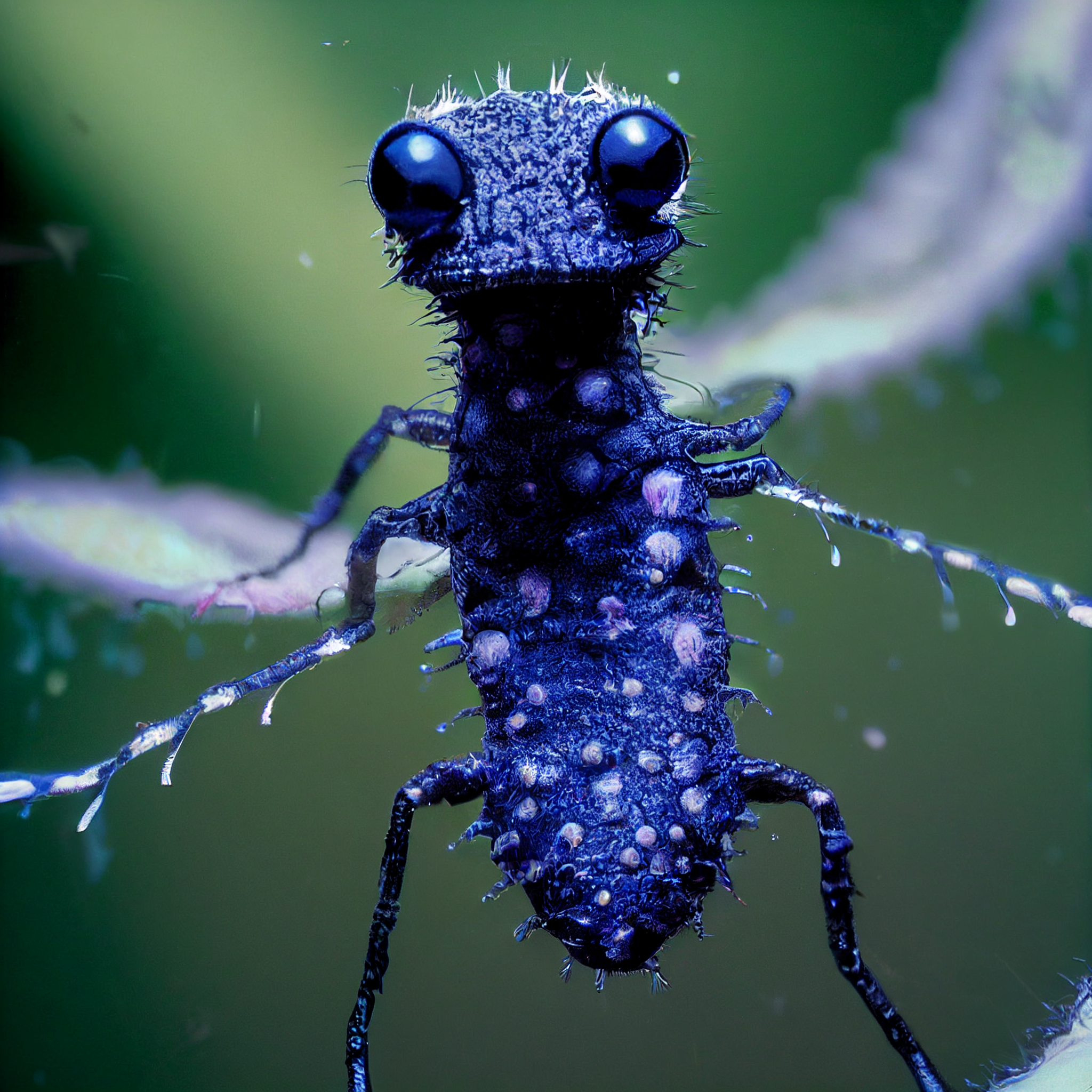
Sabbi san are a phylum of four-legged microscopic tardigrades first described by Austrian zoologist Robby Saab in 2195, who discovered them in a tainted cave water sample. Sabbi sans move quickly in water or on land with a gait that closely resemb...