COMMON

#188 Crysion

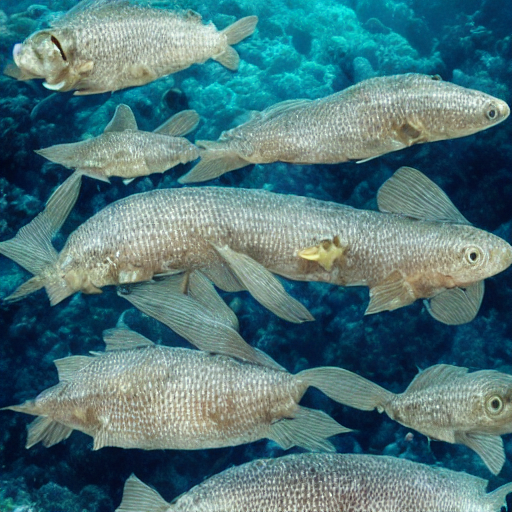
Crysions exhibit an interesting physical phenomenon not entirely understood yet by scientists: the refraction of their scales reflects light such that crysions are only visible in water and invisible out of water. After death, the crysion's scales begin a chemical decomposition process that results in less and less "invisibility" over time. Crysion meat is one of the most nutritious fish and said to be extremely good for maintaining healthy eyes.

Found in
Tags
Release Date July 03, 2022
Sign up for a free account to claim this creature as your own.

Discover other creatures

Explore an endless universe of ficticious life on NovelGens.
UNCOMMON

#007 Merm

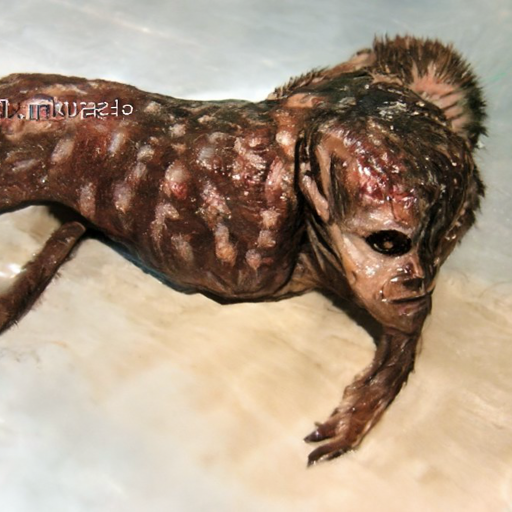
Merms live in small groups, typically in the deepest reaches of the western oceans. They seem closely related to a potential aquatic fork of human evolution, but scientists haven't yet developed a way to communicate with them.

COMMON

#060 Brugnul

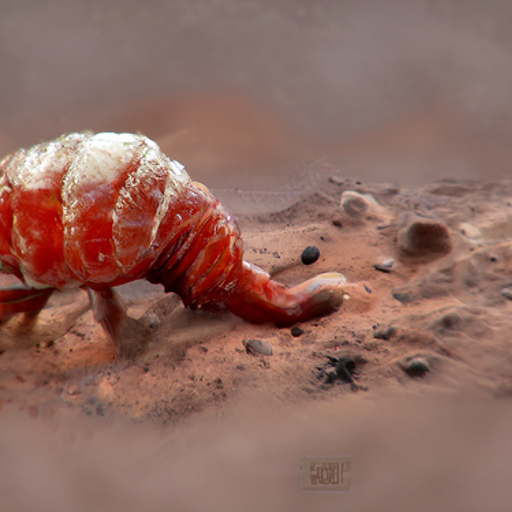
Brugnuls are microscopic parasites that can be found in most environments. They are commonly found in the bodies of other creatures, but can also be found on the ground, in water, and in the air. They are extremely hard to detect, and can be diffi...

UNCOMMON

#217 Jauxckle

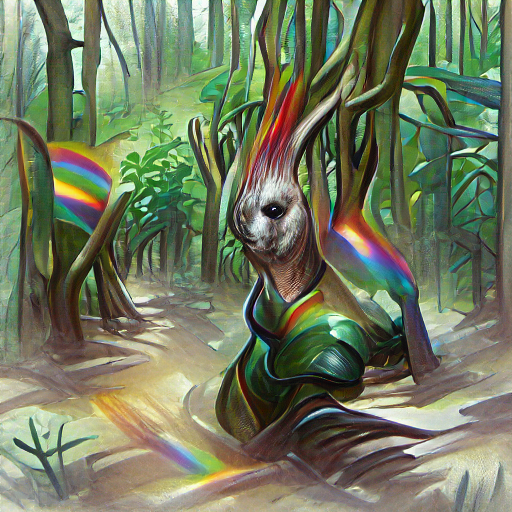
The jauxckle is a small mammal that typically calls colder forests its home, but will often wander into new areas in its post-life undead state. Although jauxckles exclusively feed on berries and other vegetation during their life, they also inclu...

COMMON

#133 Reeborra

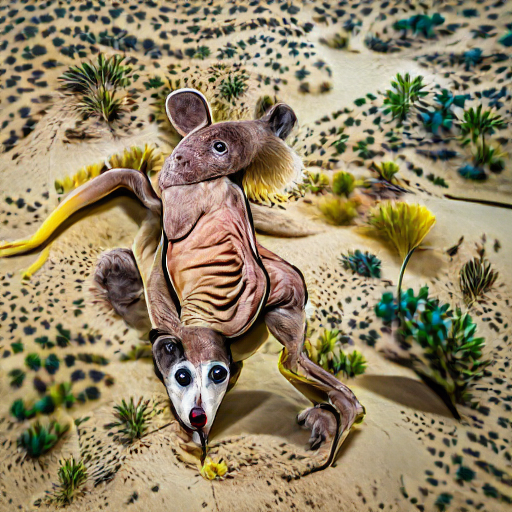
Reeborras are large, herbivorous creatures native to the planet of the same name. They are closely related to the earth sloth and are often found in the desert dunes. They have short tails that consistently drip water when they're calm, which othe...

RARE

#267 Groxus

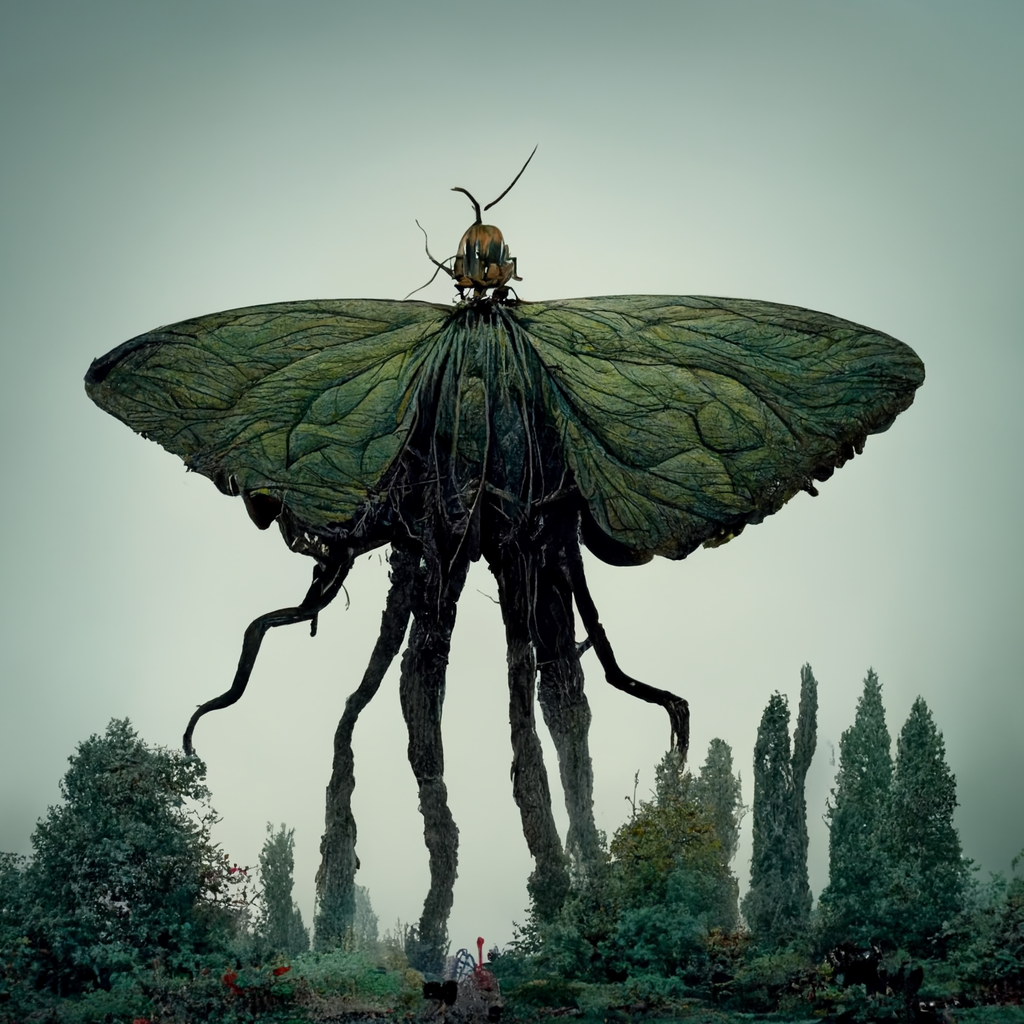
The groxus is the largest known insect in the world. They can grow to be 300 feet long and weigh up to 60 tons. Groxuses are nocturnal, feeding on large mammals and each other. They can be found in forests and deserts throughout the world. Because...

UNCOMMON

#301 Saski

The saski is a species of airborn sanni that often can often be found following cumulonimbus clouds, though their migratory patterns have them almost everywhere on the planet at least once a year. Saski have an average length of two hundred feet a...