COMMON

#117 Gomligu

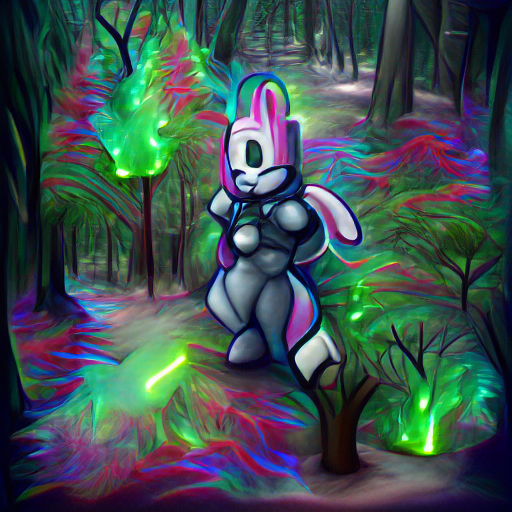
The gomligu is an large creature that resembles a rabbit, but with a long tail and thick, grey patches of rubbery skin. The gomligu is a rather shy and timid creature that flees readily, but they can occasionally be seen wandering about in enchanted forests on their hind legs if you're quiet enough to sneak up on one. While it's generally thought to be good luck to see a gomligu, it is strongly advised you never chase one.

Release Date April 23, 2022
Sign up for a free account to claim this creature as your own.

Discover other creatures

Explore an endless universe of ficticious life on NovelGens.
COMMON

#004 Avahi

Not much is known about where avahis originated, but they migrate in large packs extremely quickly, typically along water-adjacent routes. Their small stature and nimble speed makes them difficult to track and their spiny exterior carapace provide...

UNCOMMON

#024 Gnawl

Gnawls are a small, nocturnal, mountain-dwelling species that are known for their ability to carve caves into mountains and their distinctive multi-layered teeth. They are also known for their ability to communicate with each other through a serie...

COMMON

#154 Sizzten muette

The ancient sizzten muette has been a staple of oasis and river life for longer than most other species, acting largely as a peacekeeper among other species over the years. Sizzten muettes can typically be found sipping from water sources and synt...

UNCOMMON

#081 Eieliez

Eieliezen are knee-high, bird-like creatures that are known for their remote eye, which they can often be seen holding but will also leave behind in their nest to watch their young with while they're out hunting or gathering. Not much is known abo...

UNCOMMON

#254 Boolic

Boolics are placid snail-like creatures that spend most of their days crawling in circles through the grass, slowly grazing and depositing their helmet-like shells in a community pile as they grow. In the night they retreat into their shells and b...

UNCOMMON

#284 Senjfisk

Senjfisk use thousands of microscopic limbs to move sand around them, enabling them to effectively swim through sand and loose dirt. These nocturnal carnivores also undergo a biological stasis while sleeping, which completely stops all but their m...