COMMON

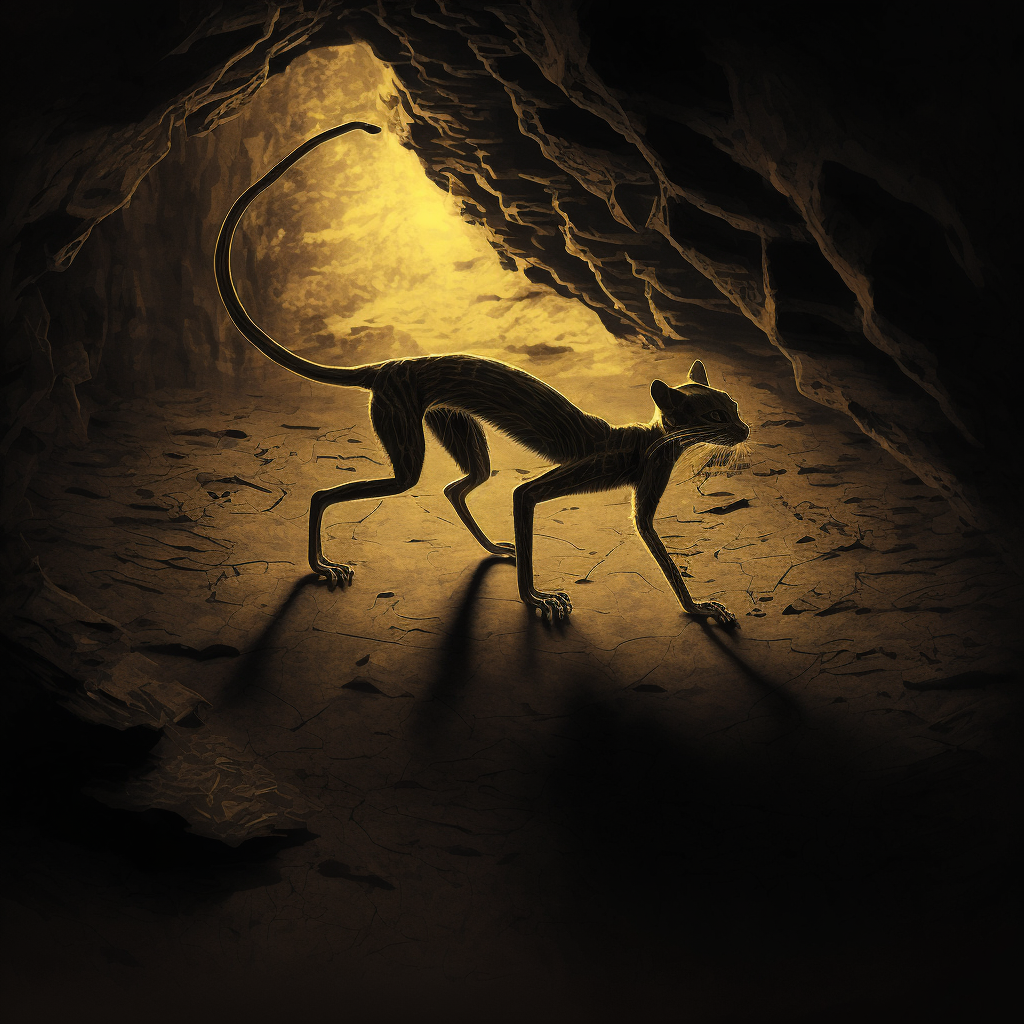
#090 Ekkast

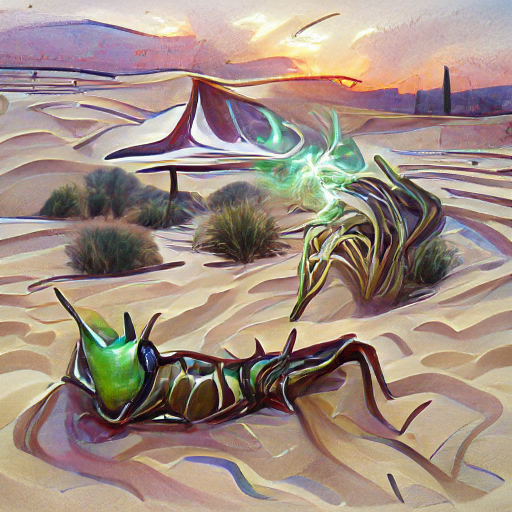
The ekkast is a vicious creature that moves on eight legs but can slither through loose ground like a snake, and often feasts on large mammals. While young ekkasts are small enough to use natural rock structures for protection, the adult ekkasts burrow deep into the earth and make long, winding tunnels for themselves and their large families.
Release Date March 27, 2022
Sign up for a free account to claim this creature as your own.

by NovelGens

Discover other creatures

Explore an endless universe of ficticious life on NovelGens.

UNCOMMON

#123 Fenglokam

Fenglokam are stout snake-like creatures with strong limbs, broad feet and a thick tail. They are very hardy animals that can live in virtually any environment or climate and emanate cold from their body rather than heat. Their diet consists mainl...

COMMON

#129 Axytun

Axytuns are a small species of landfish native to the rolling fields of the east. Although axytuns are naturally pitch black, albinism is so rampant in the species that black axytuns are often captured and resold as expensive pets. They are born i...

COMMON

#150 Toomel

Toomels are small worm-like creatures that live just below the surface of the earth. They enjoy tunneling through the ground but prefer to stay close to the surface. When it rains, toomels will emerge from the ground and spend time on the surface ...

COMMON

#266 Zajg

Zajg (spelled zayg in some locales) are a faceless fish common in warm reefs. These large trawlers use a version of echolocation that provides better information about their surroundings compared to typical fish eyesight. This sensory system allow...

RARE

#233 Pewarra

On the plains near the city, you can find the wingless pewarras that live in large herds, best known for their concave skeleton and recognizable gait. When threatened by a predator, pewarras will huddle together in a large circle and take turns ma...

COMMON

#349 Flayansk

The flayansk originates in the far north, in the freezing highlands of Cotsk. Flayansk vary wildly in size throughout their life, growing quickly from the size of rodents to the size of large boulders, then eventually shrinking back to microscopic...